

Financial freedom is a goal that many people talk about, but only a few take consistent steps to achieve it. In simple terms, financial freedom means having enough money to cover your living expenses without constantly worrying about income. It is not about being extremely rich; instead, it is about having control over your money, reducing financial stress, and building a stable future. In 2026, with rising living costs and changing job markets, managing money wisely has become more important than ever.
Achieving financial freedom does not happen overnight. It requires planning, discipline, and the right financial strategies. Anyone, regardless of income level, can work toward this goal by making better financial decisions and avoiding common money mistakes. The key is to understand where your money goes, how to save it, and how to grow it over time.
Understanding Your Financial Situation
The first step toward financial freedom is understanding your current financial situation. Many people avoid this step because they are unsure or uncomfortable facing their expenses and debts. However, without clarity, it is impossible to improve.
Start by listing your monthly income and all expenses. This includes rent, groceries, transportation, utilities, subscriptions, and any loan payments. Once you have a clear picture, you can identify unnecessary spending and areas where you can save money. This simple habit forms the foundation of strong financial management.
It is also important to check your debts. Whether it is credit card debt, personal loans, or student loans, knowing how much you owe helps you plan repayment strategies effectively. Financial freedom becomes easier when debts are controlled or eliminated.
Creating a Practical Budget Plan
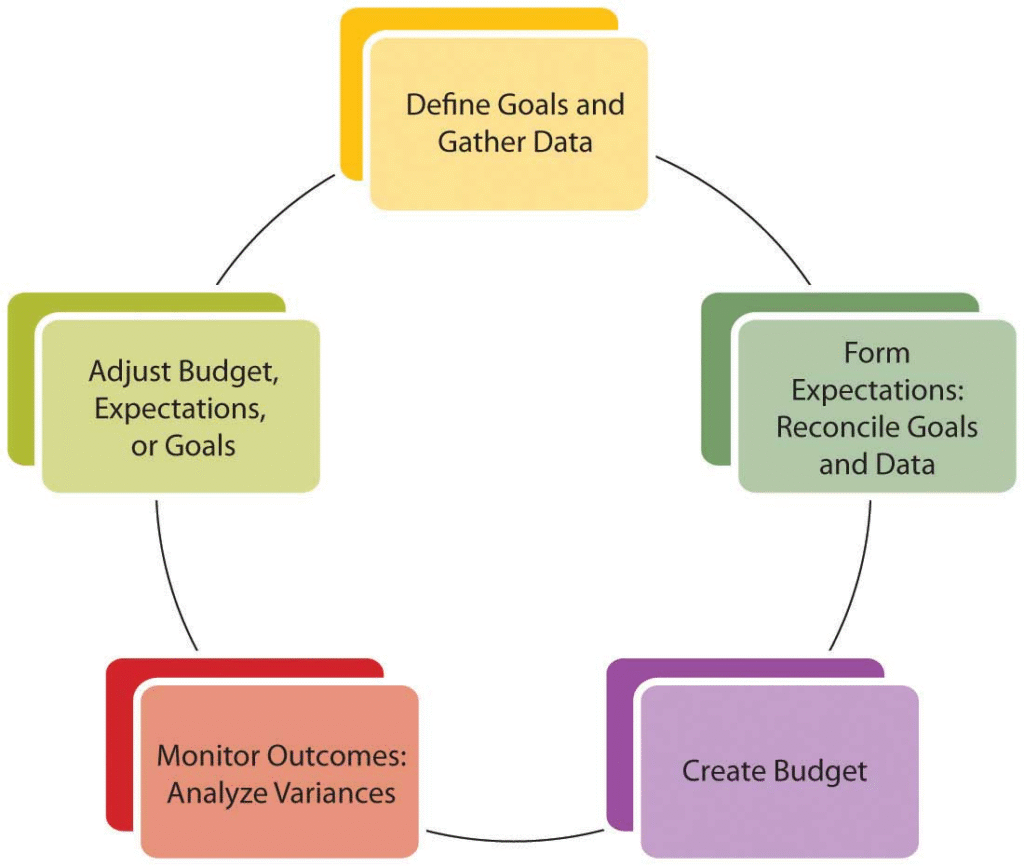
Budgeting is one of the most powerful tools for managing money. A budget is not about restricting your life but about giving your money a purpose. When you plan how to spend and save, you avoid unnecessary expenses and improve financial discipline.
A simple budgeting method is the 50/30/20 rule. This means allocating 50 percent of your income to needs, 30 percent to wants, and 20 percent to savings or debt repayment. While this may vary depending on individual circumstances, it provides a balanced approach to managing money.
The key to successful budgeting is consistency. Tracking your expenses regularly helps you stay within your limits and avoid overspending. Over time, budgeting becomes a habit that naturally improves financial stability.
Building an Emergency Fund
An emergency fund is an essential part of financial security. It is money set aside specifically for unexpected situations such as medical emergencies, job loss, or urgent repairs. Without an emergency fund, people often rely on credit cards or loans, which can create long-term debt problems.
A good target for an emergency fund is three to six months of living expenses. This may seem difficult at first, but it can be built gradually. Even small monthly savings contribute to this fund over time.
Keeping this money in a separate savings account is a smart choice. It ensures that the fund is only used when truly needed and not for everyday spending.
Smart Saving Habits
Saving money is not just about putting aside leftover cash at the end of the month. It is about making saving a priority. One effective approach is to save first and spend later. This means setting aside a portion of your income as soon as you receive it.
Automating savings can also be helpful. Many banks offer automatic transfer options that move money into savings accounts without manual effort. This reduces the temptation to spend and ensures consistent saving habits.
Cutting unnecessary expenses is another way to improve savings. Small changes like reducing dining out, canceling unused subscriptions, or choosing cost-effective alternatives can make a big difference over time.
Investing for Long-Term Growth
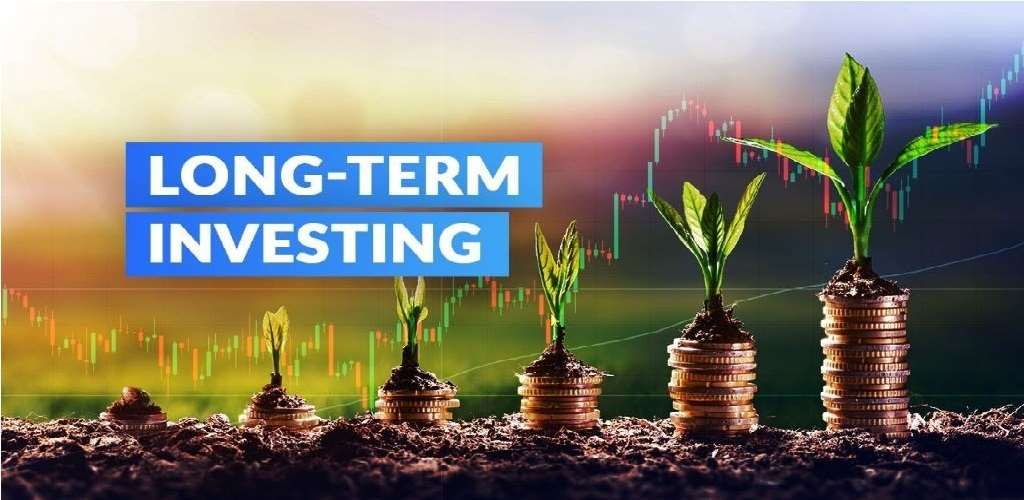
Saving money alone is not enough to achieve financial freedom. Inflation reduces the value of money over time, which means your savings should also grow. This is where investing becomes important.
Investing allows your money to generate returns over time. There are different types of investment options such as stocks, mutual funds, fixed deposits, and real estate. Each option has its own risk and return level, so it is important to choose based on your financial goals and risk tolerance.
For beginners, mutual funds are often considered a safer starting point because they are managed by professionals and spread across multiple assets. Over time, learning about different investment options helps you make better financial decisions.
The key principle of investing is patience. Wealth building is a long-term process, and consistent investments usually produce better results than trying to make quick profits.
Managing Debt Wisely
Debt is one of the biggest obstacles to financial freedom if not managed properly. While some debts like home loans can be productive, high-interest debts such as credit card balances can quickly become a burden.
A good strategy is to focus on paying off high-interest debt first while making minimum payments on others. This approach reduces the total interest paid over time and helps clear debts faster.
Avoiding unnecessary borrowing is equally important. Before taking any loan, it is essential to evaluate whether it is truly needed and whether repayment is manageable within your budget.
Increasing Income Streams
Relying on a single source of income can limit financial growth. In 2026, there are many opportunities to create additional income streams. These can include freelancing, part-time work, online businesses, or passive income sources like investments.
Developing new skills can also open doors to better job opportunities or higher-paying roles. Skills in areas like digital marketing, programming, content writing, and data analysis are in high demand.
The more income sources you have, the more financial stability you build. Even small additional earnings can significantly improve your savings and investment capacity.
Practicing Financial Discipline
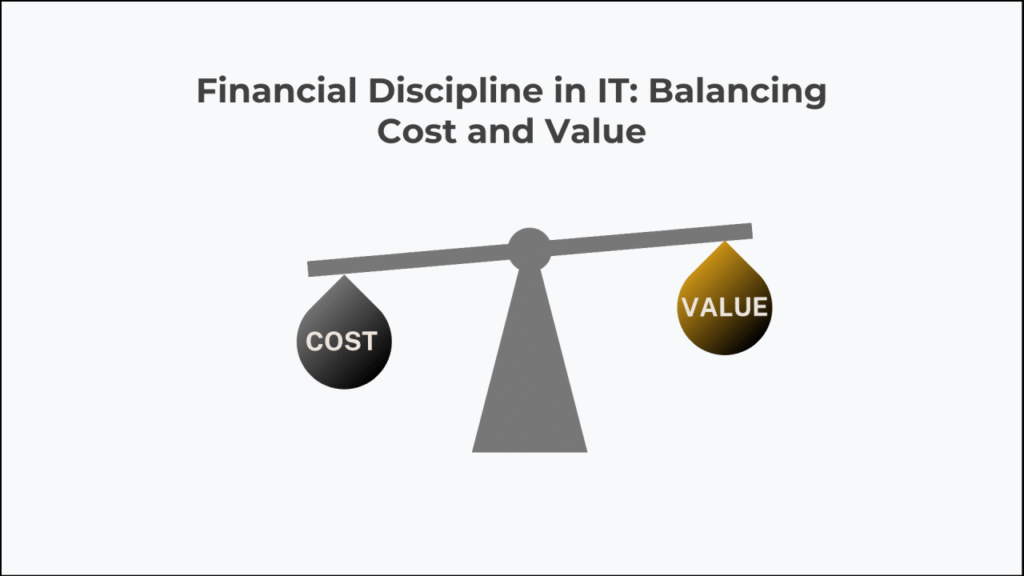
Financial freedom is not just about earning more money; it is also about managing behavior. Discipline plays a major role in financial success. Many people earn well but still struggle financially due to poor spending habits.
Avoiding impulsive purchases is an important part of financial discipline. Before buying something, it is helpful to ask whether it is a need or just a want. Delaying non-essential purchases often reduces unnecessary spending.
Staying consistent with budgeting, saving, and investing creates long-term financial stability. Over time, these habits become part of your lifestyle and lead to better financial outcomes.
Setting Clear Financial Goals
Having clear financial goals gives direction to your money management efforts. Without goals, it is easy to lose track of spending and savings.
Financial goals can be short-term, such as saving for a vacation or buying a gadget, or long-term, such as buying a house or achieving retirement security. Writing down these goals helps you stay focused and motivated.
Breaking large goals into smaller steps makes them more achievable. For example, instead of thinking about saving a large amount at once, setting monthly savings targets makes the process easier.
Conclusion
Financial freedom in 2026 is achievable for anyone who is willing to plan and stay consistent. It is not about earning a specific income level but about managing money wisely. Understanding your finances, creating a budget, saving regularly, investing smartly, and controlling debt are all essential parts of the journey.
Small actions taken consistently can lead to significant financial improvements over time. By building better money habits and staying disciplined, anyone can move closer to financial independence and a more secure future.
F&Q

10 Innovative Tech & Software Tools That Make Work Easier
Technology has quietly become the gentle wind that moves modern work forward. Like a river…

10 Innovative Tech & Software Tools That Save Time and Money
Technology has quietly become part of almost every moment in our lives. From the first…

The Ultimate Digital Marketing Blueprint for Business Growth in 2026
The digital world moves like a flowing river. Every year, new platforms appear, customer expectations…

10 Powerful AI & Automation Tools That Save Time Every Day
This is where AI & Automation begins to make a meaningful difference. Instead of replacing…

10 Powerful Tools & Tutorials That Can Transform Your Daily Workflow
Every day brings a fresh opportunity to accomplish something meaningful, yet many of us find…
Best Tech & Software for Students, Professionals, and Creators
Technology has become one of the strongest driving forces behind education, business, and creativity. In…