
Managing money properly is one of the most important life skills anyone can develop. Good financial habits help reduce stress, improve stability, and create opportunities for the future. Yet many people struggle with saving, budgeting, and controlling expenses because personal finance can often feel confusing or overwhelming.
The truth is that successful money management is not about becoming rich overnight or following unrealistic financial trends. It is about making smart, consistent decisions that improve your financial situation over time. Small changes in spending habits, saving strategies, and financial planning can make a huge difference in the long run.
Whether someone is a student, working professional, business owner, or parent, learning how to manage money effectively can lead to greater financial freedom and security. Here are practical personal finance and money management tips that actually work in real life.
Create a Monthly Budget
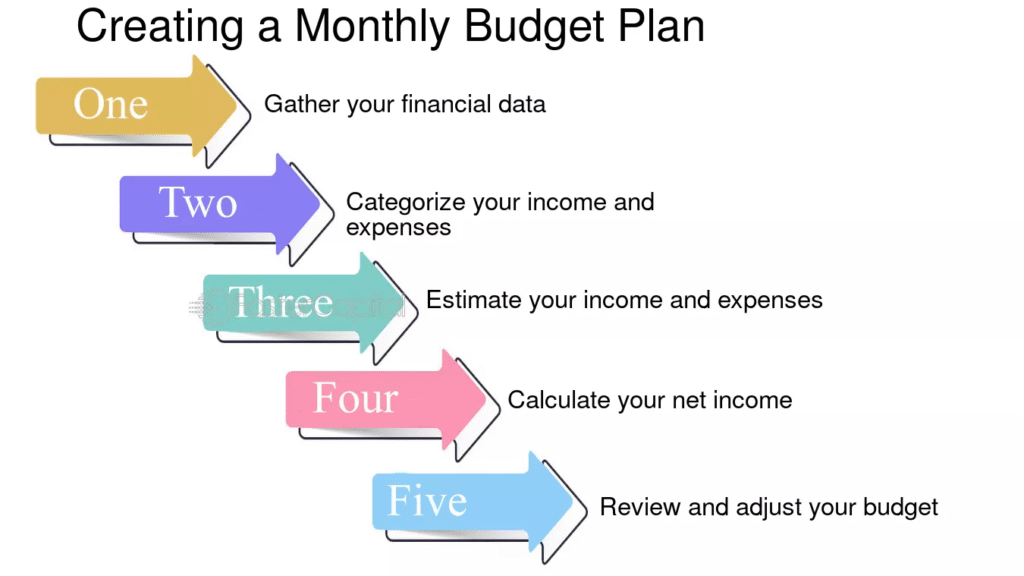
One of the most effective financial habits is creating a monthly budget. A budget helps people understand how much money they earn, how much they spend, and where they need to improve.
Many people avoid budgeting because they think it is restrictive, but a good budget actually creates freedom. It allows individuals to spend responsibly while still saving for future goals.
Start by listing all monthly income sources and fixed expenses such as rent, electricity, groceries, internet bills, transportation, and loan payments. Then track variable expenses like shopping, entertainment, and dining out.
Budgeting apps, spreadsheets, or even a simple notebook can help organize finances. The important thing is consistency. Reviewing expenses every month makes it easier to identify wasteful spending habits.
Follow the 50/30/20 Rule
The 50/30/20 budgeting rule is one of the simplest money management methods. According to this system:
- 50% of income goes toward necessities
- 30% goes toward wants and lifestyle choices
- 20% goes toward savings and debt repayment
This method works because it creates balance. People can still enjoy life while building savings and managing responsibilities.
The percentages can be adjusted depending on financial situations, but the principle remains useful for maintaining healthy financial habits.
Build an Emergency Fund
Unexpected expenses can happen at any time. Medical emergencies, job loss, car repairs, or family problems can create financial pressure without warning.
An emergency fund acts as a safety net during difficult situations. Financial experts often recommend saving at least three to six months of living expenses.
Building an emergency fund takes time, but starting small is better than not starting at all. Even saving a small amount every month can gradually create financial security.
Keeping emergency savings in a separate account also helps avoid unnecessary spending.
Avoid Impulse Spending
Impulse spending is one of the biggest reasons people struggle financially. Social media advertisements, online shopping sales, and emotional buying habits often lead to unnecessary purchases.
Before buying something expensive, it helps to wait at least 24 hours. This simple delay gives people time to decide whether the purchase is truly necessary.
Another effective strategy is creating a shopping list before visiting stores or shopping online. Sticking to the list reduces emotional spending and helps control expenses.
Understanding the difference between needs and wants is essential for better financial management.
Use Credit Cards Wisely

Credit cards can be useful financial tools when managed properly, but they can also create serious debt problems if misused.
The best approach is to use credit cards only for planned expenses that can be repaid on time. Carrying large balances with high interest rates can quickly become financially damaging.
Paying credit card bills in full every month helps avoid interest charges and improves credit scores. Responsible credit card usage can also provide rewards, cashback benefits, and financial flexibility.
However, relying on credit cards for everyday survival is often a sign of poor financial balance that needs attention.
Track Every Expense
Many people underestimate how much money they spend daily. Small expenses such as coffee, snacks, food delivery, and online subscriptions may seem harmless individually, but together they can consume a large portion of monthly income.
Tracking expenses creates awareness and helps people make smarter financial decisions.
There are many apps available that automatically categorize expenses, but manual tracking can also be effective. Once spending patterns become clear, it becomes easier to cut unnecessary costs.
Financial awareness is one of the strongest foundations of money management.
Start Saving Early
Saving money early provides long-term financial advantages because of compound growth. Even small savings can grow significantly over time when invested wisely.
Many people delay saving because they believe they need a large income first. In reality, financial discipline matters more than salary size.
Setting automatic transfers to savings accounts can make saving easier and more consistent. Treating savings like a monthly bill creates stronger habits.
The earlier someone starts saving, the more financial flexibility they gain in the future.
Invest for Long-Term Growth
Saving money alone may not be enough because inflation reduces purchasing power over time. Investing allows money to grow faster than traditional savings accounts.
Popular investment options include stocks, mutual funds, index funds, real estate, and retirement accounts. Beginners should start with proper research and avoid risky investments they do not understand.
Long-term investing works best when people stay patient and avoid emotional decisions during market fluctuations.
Consistent investing over many years often creates better results than trying to get rich quickly.
Reduce Unnecessary Subscriptions
Modern lifestyles include many recurring subscription services such as streaming platforms, fitness apps, cloud storage, gaming memberships, and premium software.
Many people continue paying for services they rarely use. Reviewing subscriptions every few months can reveal unnecessary expenses that quietly drain money.
Canceling unused memberships is a simple way to improve monthly cash flow without making major lifestyle sacrifices.
Increase Financial Knowledge
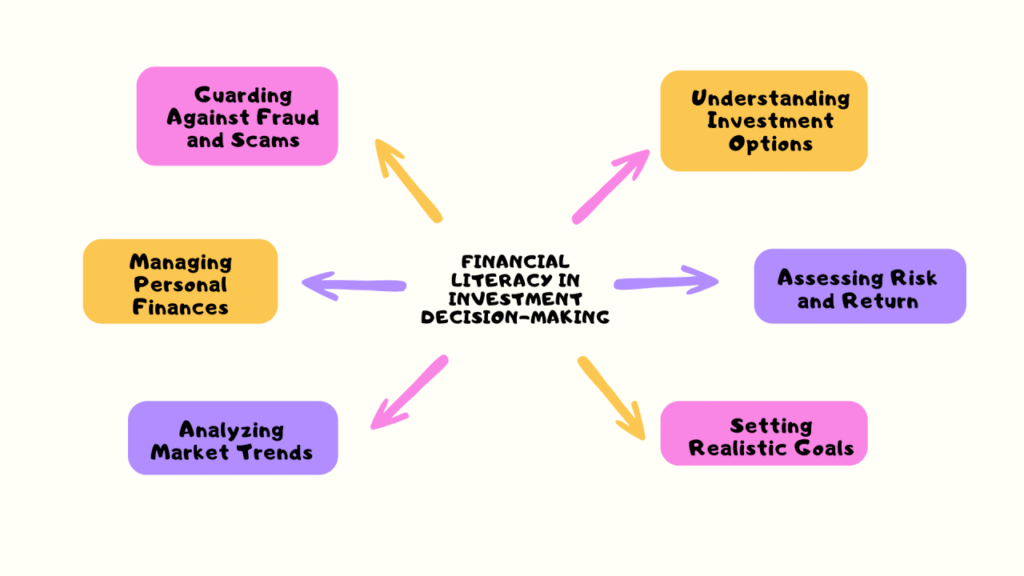
Financial education is one of the best investments a person can make. Learning about budgeting, taxes, investing, credit scores, insurance, and retirement planning helps people make smarter decisions.
Reading personal finance books, watching educational videos, listening to finance podcasts, and following reliable financial experts can improve money management skills.
People who understand how money works are often more confident and successful financially.
Set Clear Financial Goals
Money management becomes easier when people have specific goals. Goals provide motivation and direction for financial decisions.
Short-term goals may include paying off debt, saving for a vacation, or buying a laptop. Long-term goals might involve purchasing a home, starting a business, or retiring comfortably.
Writing down goals and tracking progress helps maintain focus and accountability.
Financial goals should be realistic, measurable, and time-based for better results.
Avoid Comparing Yourself to Others

Social media has increased financial pressure because people constantly compare lifestyles, vacations, cars, gadgets, and luxury purchases.
Trying to keep up with others often leads to unnecessary debt and financial stress. Many people displaying luxury lifestyles online may also have serious financial problems behind the scenes.
Healthy money management focuses on personal priorities rather than social comparison.
Living within your means creates long-term stability and peace of mind.
Pay Off Debt Strategically
Debt can limit financial freedom if not managed properly. High-interest debt, especially credit card debt, should usually be prioritized first.
Two popular debt repayment methods include:
- Snowball method: paying smaller debts first for motivation
- Avalanche method: paying highest interest debts first to save money
Making regular payments and avoiding additional unnecessary debt helps improve financial stability over time.
Becoming debt-free often creates emotional relief as well as financial freedom.
Create Multiple Income Sources
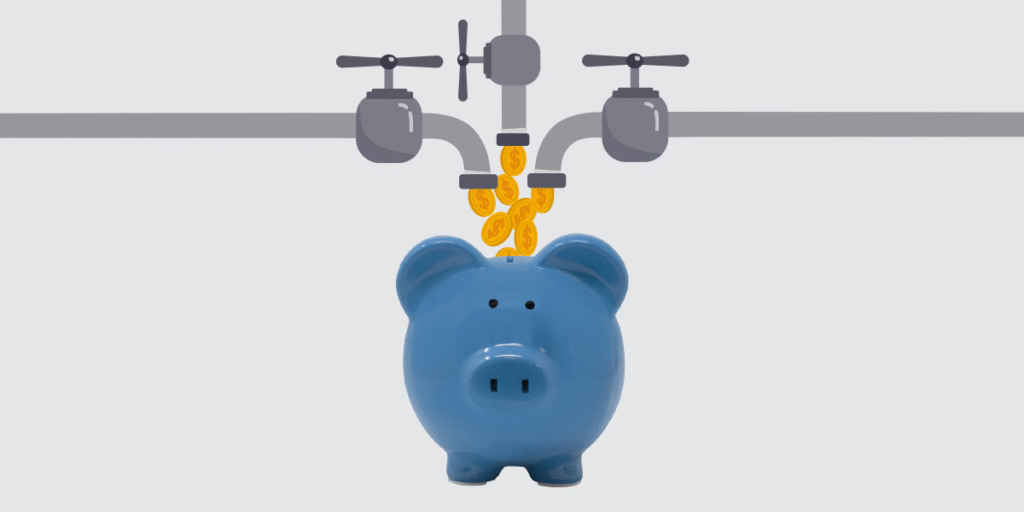
Relying on a single source of income can be risky. Many people now create additional income streams through freelancing, online businesses, investments, tutoring, blogging, content creation, or side jobs.
Extra income can help accelerate savings, reduce debt, and improve financial security.
Even small side earnings can make a meaningful difference when managed wisely.
The internet has created many opportunities for people to earn additional income from home.
Learn to Delay Gratification
One of the most powerful financial habits is delayed gratification. This means resisting immediate pleasure for greater long-term rewards.
People who learn patience with money decisions often achieve stronger financial results. Instead of buying expensive items immediately, saving gradually and planning purchases carefully reduces financial stress.
Delayed gratification also improves self-discipline, which is important for long-term wealth building.
FAQ’s
How to Get a Personal Loan in India
few years ago, I found myself in a position where I needed a significant amount…

Profitable Business Ideas for Students to Earn Money in 2026
I still remember sitting on my twin-sized college bed during my second semester, opening my…

How to Invest in Fixed Deposits in 2026
When I first started earning and saving money, the investment world felt completely overwhelming to…

The Best Stock Market Investment Tips for Beginners in 2026
When I first stepped into the stock market back in 2021, I was convinced I’d…

The Best Apps for Exam Preparation in India
When I first started preparing for competitive exams in India, my study table was a…
How to Start an E-commerce Business in India in 2026
When I took the plunge into online selling in India back in early 2024, my…