

In today’s fast-paced digital world, cloud computing has become a cornerstone of technology, transforming how businesses and individuals access and use software. The evolution of software delivery through the cloud has reshaped industries, enhanced flexibility, and created new opportunities for innovation. Understanding cloud computing and its relationship with software is essential for anyone who wants to stay informed about modern technology trends and leverage them effectively.
This article offers a comprehensive overview of cloud computing and software, explaining key concepts, benefits, challenges, and practical considerations to help you navigate this dynamic landscape.
What Is Cloud Computing?
Cloud computing refers to the delivery of computing resources—including servers, storage, databases, networking, software, and analytics—over the internet (“the cloud”). Instead of owning and maintaining physical hardware and software on-premises, users can access these resources on demand from cloud service providers.
Cloud computing allows for scalable and flexible use of technology. Whether it’s a startup using cloud servers to host its website or a multinational corporation deploying enterprise software globally, cloud computing removes many traditional barriers related to infrastructure and costs.
Key Characteristics of Cloud Computing
- On-Demand Self-Service: Users can provision computing resources as needed without human interaction with the service provider.
- Broad Network Access: Resources are available over the internet and accessible through various devices such as laptops, smartphones, and tablets.
- Resource Pooling: Providers serve multiple customers from shared physical and virtual resources, dynamically allocating based on demand.
- Rapid Elasticity: Capabilities can be scaled up or down quickly to meet changing needs.
- Measured Service: Resource usage is monitored, controlled, and reported, allowing for pay-as-you-go pricing models.
Cloud Computing Service Models
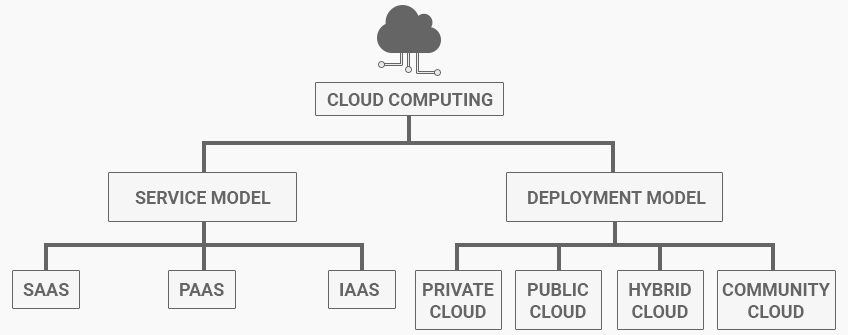
Cloud computing offers different service models that define the level of control and management users have over the technology stack:
- Infrastructure as a Service (IaaS): Provides virtualized hardware resources like servers, storage, and networking. Users manage operating systems, applications, and data, while the provider handles the physical infrastructure. Examples include Amazon Web Services (AWS) EC2 and Microsoft Azure Virtual Machines.
- Platform as a Service (PaaS): Offers a platform that includes infrastructure and development tools. Users can build, test, and deploy applications without worrying about managing the underlying hardware or operating systems. Examples include Google App Engine and Heroku.
- Software as a Service (SaaS): Delivers fully functional software applications over the internet. Users access software via web browsers or apps without managing infrastructure or platforms. Examples include Google Workspace, Microsoft 365, and Salesforce.
The Relationship Between Cloud Computing and Software
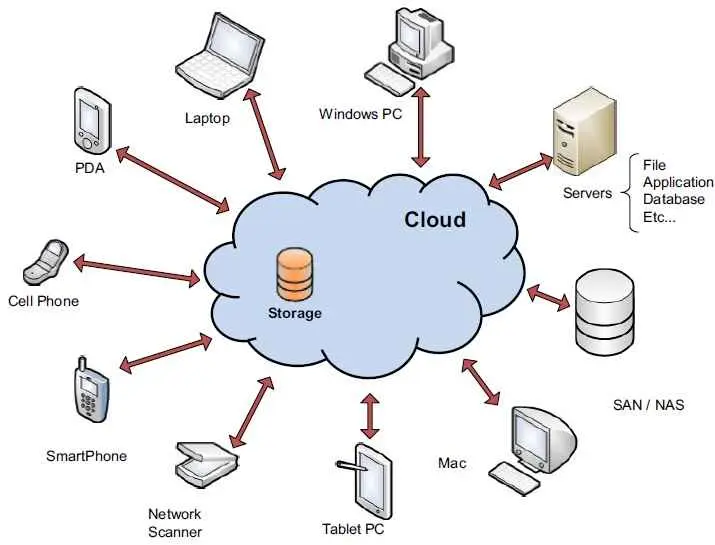
Cloud computing and software are deeply intertwined. The cloud has changed how software is developed, deployed, and consumed. Traditional software required installation on individual computers or servers, often leading to complex maintenance and updates. Cloud computing introduced a new paradigm where software is hosted centrally and accessed remotely, offering several advantages:
- Accessibility: Cloud-based software is accessible anytime and anywhere with an internet connection, supporting remote work and collaboration.
- Automatic Updates: Providers manage software updates, ensuring users always have access to the latest features and security patches without manual intervention.
- Lower Costs: Subscription-based pricing models reduce upfront expenses, making advanced software accessible to a broader audience.
- Scalability: Cloud software can easily scale to accommodate more users or increased workloads.
- Integration: Cloud platforms enable seamless integration with other services and tools, creating cohesive ecosystems that enhance productivity.
Benefits of Cloud Computing and Software
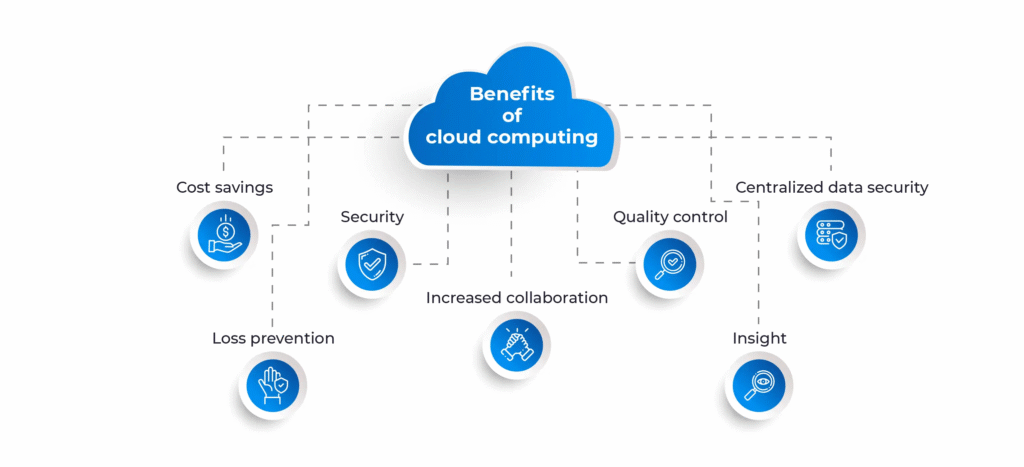
1. Cost Efficiency
Cloud computing eliminates the need for significant upfront investment in hardware and software licenses. Organizations pay only for the resources they use, turning capital expenses into operational expenses. This pay-as-you-go model allows businesses of all sizes to access powerful technology without financial strain.
2. Scalability and Flexibility
Cloud solutions provide the flexibility to scale resources up or down based on demand. Whether you’re launching a new application or experiencing seasonal traffic spikes, the cloud adjusts to meet your needs without requiring physical infrastructure changes.
3. Enhanced Collaboration
Cloud-based software fosters collaboration by enabling multiple users to work on the same documents or projects in real time. Teams can share information effortlessly, regardless of their location, improving efficiency and communication.
4. Disaster Recovery and Data Backup
Cloud providers typically offer robust backup and disaster recovery solutions. Data stored in the cloud is often replicated across multiple locations, reducing the risk of data loss due to hardware failure, natural disasters, or cyberattacks.
5. Rapid Deployment
Developers can deploy applications quickly using cloud services, shortening time-to-market. This agility is crucial in today’s competitive environment, where speed and innovation drive success.
Challenges and Considerations
Despite its advantages, cloud computing also presents challenges that users should consider:
1. Security and Privacy
Storing sensitive data in the cloud raises concerns about security and privacy. While cloud providers invest heavily in security measures, organizations must understand their shared responsibility model and implement appropriate controls such as encryption, access management, and compliance with regulations.
2. Downtime and Reliability
Although cloud providers offer high availability, no system is immune to outages. Businesses relying heavily on cloud services should have contingency plans and consider multi-cloud or hybrid cloud strategies to mitigate risks.
3. Vendor Lock-In
Migrating applications and data between different cloud providers can be complex and costly. Organizations should evaluate service agreements carefully and design systems with portability in mind to avoid dependency on a single vendor.
4. Performance Issues
Cloud computing depends on internet connectivity. Slow or unreliable connections can impact performance, especially for applications requiring real-time data processing or large data transfers.
Popular Cloud Computing Platforms and Software
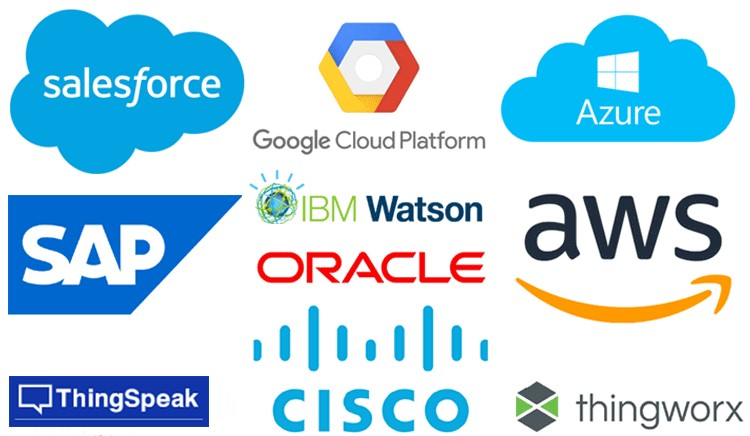
Several major providers dominate the cloud computing market, offering a wide range of services:
- Amazon Web Services (AWS): The largest cloud platform, AWS provides extensive IaaS, PaaS, and SaaS options, widely used across industries.
- Microsoft Azure: Known for seamless integration with Microsoft products, Azure offers a strong hybrid cloud approach.
- Google Cloud Platform (GCP): Focuses on machine learning, big data, and containerized applications.
- IBM Cloud and Oracle Cloud: Cater to enterprise clients with specialized services and legacy system integration.
On the software side, SaaS has exploded in popularity, with applications for productivity, customer relationship management, finance, and more. Examples include Dropbox, Slack, Zoom, and Adobe Creative Cloud.
Real-World Applications of Cloud Computing and Software
The impact of cloud computing spans various sectors:
- Healthcare: Cloud platforms enable secure sharing of patient records, telemedicine, and data analytics for research.
- Education: Online learning platforms and virtual classrooms rely on cloud software to deliver content globally.
- Finance: Banks use cloud computing for fraud detection, risk management, and customer service.
- Retail: E-commerce websites utilize cloud infrastructure to handle traffic spikes and personalized marketing.
- Entertainment: Streaming services such as Netflix and Spotify deliver content through cloud-based systems.
How to Get Started with Cloud Computing and Software
For businesses and individuals interested in adopting cloud computing, here are some steps to consider:
- Assess Your Needs: Identify which applications and workloads are suitable for the cloud based on cost, security, and performance requirements.
- Choose a Cloud Model: Decide between public, private, or hybrid cloud environments depending on control and compliance needs.
- Select Providers and Tools: Research cloud providers and software that align with your goals and budget.
- Plan Migration: Develop a migration strategy that minimizes downtime and data loss.
- Train Your Team: Ensure your staff understands cloud technologies and best practices.
- Monitor and Optimize: Continuously monitor cloud usage and optimize costs and performance.
The Future of Cloud Computing and Software
Cloud computing continues to evolve with emerging trends such as edge computing, serverless architectures, and artificial intelligence integration. These advancements promise to make cloud services even more efficient, responsive, and intelligent.
As software development embraces cloud-native technologies like containers and microservices, businesses can innovate faster and deliver better user experiences. The ongoing shift towards decentralized and hybrid cloud models will provide greater flexibility and control.
Conclusion
Cloud computing and software have revolutionized the way technology is accessed and utilized. By understanding the fundamentals of cloud computing, its service models, benefits, and challenges, individuals and businesses can make informed decisions that drive growth and innovation.
Embracing cloud-based software unlocks new possibilities for collaboration, scalability, and cost savings. However, success requires careful planning, security awareness, and adaptability. Staying informed about the latest developments in cloud technology will ensure you remain competitive in an increasingly digital world.
Whether you are a small business owner, IT professional, or casual user, cloud computing offers tools and opportunities that can transform your approach to software and technology. With the right knowledge and strategy, the cloud can be a powerful partner in achieving your goals.
FAQ’a
How to Get a Personal Loan in India
few years ago, I found myself in a position where I needed a significant amount…

Profitable Business Ideas for Students to Earn Money in 2026
I still remember sitting on my twin-sized college bed during my second semester, opening my…

How to Invest in Fixed Deposits in 2026
When I first started earning and saving money, the investment world felt completely overwhelming to…

The Best Stock Market Investment Tips for Beginners in 2026
When I first stepped into the stock market back in 2021, I was convinced I’d…

The Best Apps for Exam Preparation in India
When I first started preparing for competitive exams in India, my study table was a…

How to Start an E-commerce Business in India in 2026
When I took the plunge into online selling in India back in early 2024, my…