

Managing money is something almost everyone thinks about, yet very few people feel fully confident doing it. In daily life, financial decisions often happen in small moments—choosing what to spend on, what to save, and what to delay. Over time, these small choices shape the overall financial picture. The idea behind building strong money habits is not about becoming perfect with finances overnight, but about developing steady, realistic practices that gradually create stability and freedom.
Understanding Money Beyond Just Earning
Most people grow up believing that earning more money automatically solves financial problems. While income is important, it is only one part of the equation. The real challenge lies in how that income is managed. People who earn moderate incomes but manage their money wisely often end up more financially secure than those who earn high incomes but lack discipline in spending.
Understanding money means looking at it as a tool rather than just a reward for work. When money is treated as a tool, every decision becomes intentional. Instead of asking what can be bought, the focus shifts to what should be prioritized. This change in thinking is the first step toward building long-term financial strength.
Building Awareness of Spending Habits
One of the most overlooked parts of financial health is awareness. Many people are not fully aware of where their money goes each month. Small expenses often seem harmless, but when added together, they can take up a large portion of income.
Creating awareness does not require complicated systems. It begins with simply observing spending patterns. When someone pays attention to how money flows in and out, patterns become clear. Some expenses are necessary and meaningful, while others may not provide real value. Recognizing this difference helps in making better choices naturally over time.
Awareness also reduces impulsive behavior. When a person knows they are tracking their financial actions mentally or physically, they tend to pause before making unnecessary purchases. That pause often becomes the difference between financial control and financial stress.

The Importance of Simple Budgeting
Budgeting is often seen as restrictive, but in reality, it creates freedom. A simple budget is not about limiting enjoyment, but about ensuring that money is aligned with priorities. Without a clear plan, money tends to disappear quickly without delivering long-term benefits.
A practical budget does not need to be complicated. It only needs to reflect income, essential expenses, savings goals, and discretionary spending. The purpose is to give direction to money rather than letting it move randomly.
When budgeting becomes a habit, it reduces financial uncertainty. People start to feel more in control because they understand exactly what they can afford and what needs to wait. This clarity reduces stress and improves decision-making in everyday life.
Saving as a Consistent Practice
Saving money is often misunderstood as something that happens only when extra money is left over. In reality, saving should be treated as a priority rather than a leftover action. When saving becomes consistent, it builds a financial cushion that provides security during unexpected situations.
The habit of saving is less about the amount and more about consistency. Even small contributions matter when they are repeated over time. What makes saving powerful is the discipline behind it. It teaches patience and delayed gratification, which are essential qualities for financial growth.
People who develop a saving mindset tend to feel more confident about the future. They are less affected by sudden expenses because they have already prepared for uncertainty in advance.
Spending with Purpose

Spending money is not something to avoid; it is something to refine. The goal is not to stop spending, but to ensure that spending aligns with real needs and meaningful experiences. When money is spent without thought, it often leads to regret. But when spending is intentional, it brings satisfaction.
Purposeful spending involves asking simple questions before making a purchase. Does this add real value? Is this a short-term desire or a long-term benefit? Will this expense still feel important after some time? These questions help filter out unnecessary decisions.
Over time, purposeful spending creates a sense of balance. It allows enjoyment without guilt and responsibility without restriction. This balance is what makes financial habits sustainable.
Managing Debt Wisely
Debt is a common part of modern financial life, but it needs careful management. When used responsibly, debt can support important goals such as education or housing. However, unmanaged debt can quickly become a burden that affects overall financial health.
Understanding the nature of debt is important. It is not just borrowed money; it is a commitment that affects future income. Each repayment reduces flexibility, which is why careful planning is essential before taking on financial obligations.
Managing debt wisely involves staying aware of repayment schedules, avoiding unnecessary borrowing, and prioritizing high-interest obligations. When debt is handled with discipline, it does not become a barrier but remains a manageable part of financial planning.
Developing a Long-Term Financial Mindset
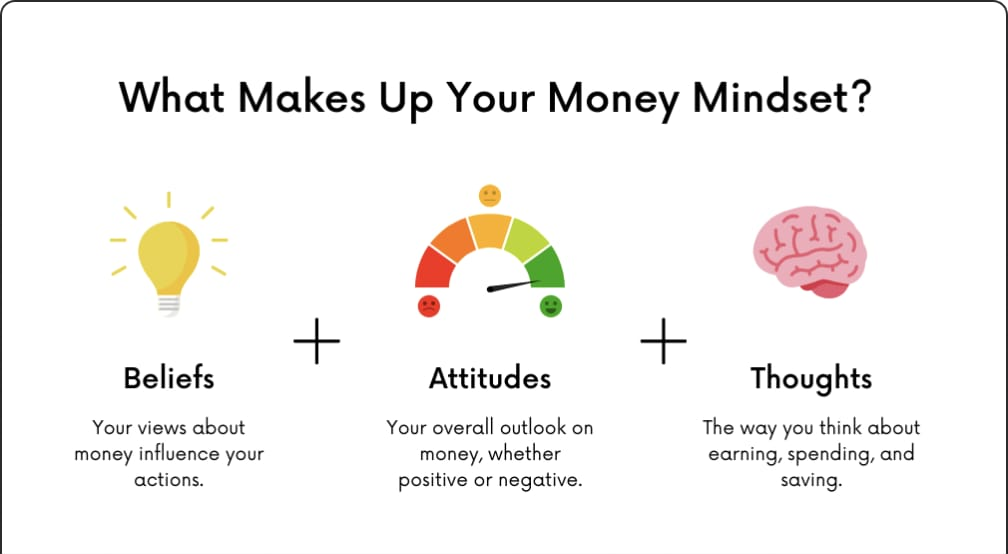
Short-term thinking often leads to financial instability. People who focus only on immediate satisfaction may struggle to build lasting wealth. On the other hand, long-term thinking creates patience and consistency.
A long-term financial mindset means planning beyond the present month or year. It involves thinking about future goals such as buying a home, building retirement security, or achieving financial independence. These goals require time and discipline, but they become achievable when approached steadily.
This mindset also changes how people respond to setbacks. Instead of feeling discouraged by temporary financial challenges, they begin to see them as part of a larger journey. This perspective creates resilience and reduces emotional stress around money.
The Role of Financial Discipline
Discipline is the foundation of all strong money habits. Without discipline, even the best financial plans fail. Discipline does not mean strict restriction; it means consistency in following planned actions.
Financial discipline shows up in small decisions every day. It is reflected in choosing to save instead of spend unnecessarily, sticking to a budget, and avoiding emotional purchases. Over time, these small actions build financial stability.
What makes discipline powerful is that it creates momentum. Once good habits are repeated consistently, they become natural. Financial decisions become easier because they are guided by structure rather than impulse.
Building Confidence Through Financial Control

One of the most valuable outcomes of strong money habits is confidence. When people feel in control of their finances, they experience less stress and more clarity in life decisions. Financial confidence does not come from having unlimited money, but from knowing how to manage what is available.
This confidence also affects other areas of life. It improves decision-making, reduces anxiety about the future, and creates a sense of stability. People who feel financially secure are often more focused, productive, and emotionally balanced.
Confidence grows gradually as habits strengthen. Each responsible financial decision adds to a sense of control, and over time, that control becomes a foundation for overall well-being.
Conclusion: Building a Smarter Relationship with Money
The Smart Money Playbook is not about complex strategies or unrealistic goals. It is about simple, consistent habits that guide everyday financial behavior. Awareness, budgeting, saving, purposeful spending, and discipline all work together to create a stable financial foundation.
Real financial results do not come from sudden changes but from steady progress over time. When money is managed with intention and patience, it becomes a tool for building security and freedom rather than a source of stress.
FAQ’s
1. What is the Smart Money Playbook?
It is a set of financial habits designed to improve saving, spending, and money management.
2. Why are money habits important?
Good money habits create financial stability and reduce unnecessary stress.
3. How can I start saving money consistently?
Start with small amounts regularly and make saving a routine.
4. What is the biggest mistake in personal finance?
Spending without planning and ignoring budgeting are common mistakes.
5. How long does it take to build better financial habits?
Consistent habits can show results within months, but long-term success takes time.
How to Get a Personal Loan in India
few years ago, I found myself in a position where I needed a significant amount…

Profitable Business Ideas for Students to Earn Money in 2026
I still remember sitting on my twin-sized college bed during my second semester, opening my…

How to Invest in Fixed Deposits in 2026
When I first started earning and saving money, the investment world felt completely overwhelming to…

The Best Stock Market Investment Tips for Beginners in 2026
When I first stepped into the stock market back in 2021, I was convinced I’d…

The Best Apps for Exam Preparation in India
When I first started preparing for competitive exams in India, my study table was a…

How to Start an E-commerce Business in India in 2026
When I took the plunge into online selling in India back in early 2024, my…