

Retirement is one of the most important financial milestones in life. While many people focus on their careers, daily responsibilities, and short-term financial goals, planning for retirement often requires a long-term perspective. Building a secure retirement is not simply about saving money; it is about creating a lifestyle that allows you to enjoy financial confidence, personal freedom, and access to valuable resources that support your well-being throughout your later years.

A successful retirement strategy combines disciplined savings habits, smart financial decisions, and access to benefits that can help reduce expenses and improve quality of life. Understanding how retirement savings work and how exclusive member perks can complement your financial plan can make a significant difference over time. Whether retirement is decades away or just around the corner, developing a comprehensive approach today can help create a more comfortable future.
Understanding the Importance of Retirement Savings
Retirement savings provide the financial foundation for life after full-time employment. During your working years, income typically comes from wages or business activities. Once retirement begins, those regular paychecks may stop, making savings and investments essential sources of financial support.
Many people underestimate how much money they will need during retirement. Living expenses do not disappear after leaving the workforce. Housing costs, healthcare expenses, transportation, utilities, food, and leisure activities continue to require financial resources. In some cases, healthcare costs may increase as individuals age, making financial preparation even more important.
Starting early offers a significant advantage because savings have more time to grow through compound returns. Even small contributions made consistently over many years can accumulate into substantial retirement funds. However, individuals who begin saving later can still make meaningful progress by increasing contributions and adopting a focused retirement strategy.
Building a Strong Retirement Savings Plan
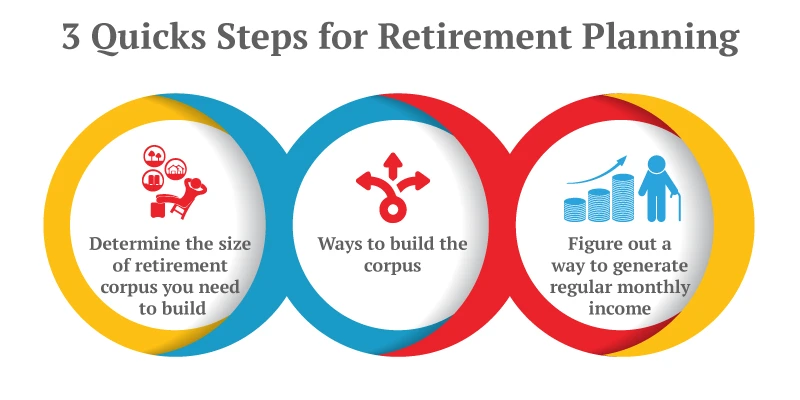
Creating a retirement savings plan starts with setting clear financial goals. Consider the lifestyle you hope to maintain during retirement. Some people envision traveling frequently, while others prefer spending time with family, pursuing hobbies, or enjoying a quieter lifestyle. Understanding your goals helps estimate future expenses and determine how much money you may need.
A well-rounded retirement plan includes regular contributions to retirement accounts, diversified investments, and periodic reviews of financial progress. Consistency often matters more than perfection. Making steady contributions, even during periods of market uncertainty, can support long-term growth.
It is also important to account for inflation. The cost of goods and services generally increases over time, meaning that money saved today may have less purchasing power in the future. Retirement planning should therefore focus not only on preserving savings but also on growing assets to keep pace with rising costs.
Reviewing retirement goals annually allows individuals to adjust contributions, evaluate investment performance, and respond to changes in personal circumstances. Life events such as career changes, family responsibilities, or economic shifts can affect retirement planning, making flexibility an essential part of the process.
The Role of Financial Education
Financial knowledge is one of the most valuable tools for retirement preparation. Understanding topics such as budgeting, investing, taxes, and healthcare planning can help individuals make informed decisions throughout their retirement journey.
Many people feel overwhelmed by financial terminology and investment concepts. However, ongoing education can simplify complex topics and build confidence. Learning how different retirement accounts work, understanding risk management strategies, and exploring income-generating investments can contribute to better financial outcomes.
Educational resources often provide guidance on creating budgets, managing debt, maximizing savings opportunities, and navigating retirement transitions. Access to reliable financial information helps individuals avoid common mistakes and develop strategies that align with their personal goals.
Retirement planning is not a one-time activity. It is a lifelong process that benefits from continuous learning and adaptation as financial markets, regulations, and personal needs evolve.
Managing Healthcare Costs During Retirement
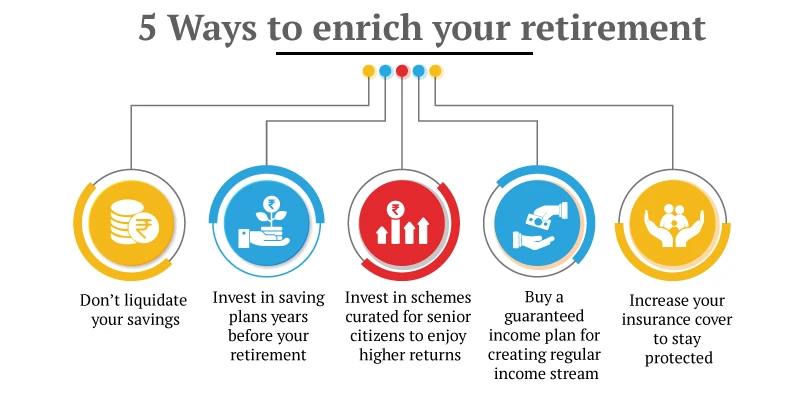
Healthcare is one of the most significant financial considerations for retirees. Medical expenses can represent a substantial portion of retirement spending, making advance planning essential.
Many retirees face costs related to doctor visits, prescription medications, preventive care, dental services, vision care, and long-term care needs. These expenses can increase with age and may impact retirement savings if not properly anticipated.
Developing a healthcare strategy involves understanding insurance options, estimating future medical costs, and exploring programs that help reduce out-of-pocket expenses. Preventive care can also play an important role by supporting overall health and potentially reducing the need for more expensive treatments later.
Healthcare planning should be integrated into the broader retirement strategy rather than treated as a separate issue. By considering medical expenses early, retirees can create a more realistic financial plan and reduce the likelihood of unexpected financial challenges.
How Exclusive Member Perks Add Value
Beyond traditional retirement savings, exclusive member benefits can provide meaningful financial and lifestyle advantages. These programs are often designed to help individuals save money, access valuable services, and stay informed about issues that affect their daily lives.
Member perks can support retirement goals by reducing routine expenses. Discounts on travel, entertainment, shopping, insurance products, healthcare-related services, and other everyday needs may help stretch retirement income further. While individual savings may seem modest, they can accumulate over time and contribute to overall financial efficiency.
In addition to discounts, many membership programs offer educational content, expert guidance, and tools that help members make informed decisions. Access to trusted information can be especially valuable during retirement when individuals are managing fixed incomes and navigating new financial responsibilities.
These benefits often extend beyond financial savings. Opportunities for community engagement, learning experiences, and personal development can enhance quality of life and support active, fulfilling retirement years.
Travel, Lifestyle, and Everyday Savings

Retirement often creates opportunities for travel, recreation, and new experiences. Many retirees prioritize exploring new destinations, visiting family members, or pursuing long-held interests. Exclusive member programs frequently offer savings that make these activities more affordable.
Travel-related benefits may include discounts on accommodations, transportation, vacation packages, and car rentals. These savings can help retirees enjoy more frequent travel while maintaining budget discipline.
Lifestyle benefits can also support daily living. Reduced costs on dining, entertainment, shopping, and personal services allow retirees to enjoy their preferred activities without placing unnecessary pressure on retirement savings.
The value of these perks becomes especially noticeable over time. Consistent savings across multiple categories can help preserve retirement funds and create greater flexibility for future spending needs.
Staying Connected and Informed
Retirement is about more than financial security. Maintaining social connections, staying informed, and remaining engaged with the world contribute significantly to overall well-being.
Many membership-based programs provide access to newsletters, publications, educational materials, and expert insights covering topics such as health, finance, technology, caregiving, and lifestyle trends. These resources help retirees stay current and make informed decisions about important issues.
Access to relevant information can also reduce uncertainty during major life transitions. Whether addressing financial planning questions, healthcare concerns, or changes in retirement regulations, trusted educational resources provide valuable support.
Community engagement opportunities further enhance retirement experiences by fostering connections with others who share similar interests and goals. Social involvement can promote emotional well-being and contribute to a more rewarding retirement lifestyle.
Creating a Long-Term Retirement Strategy
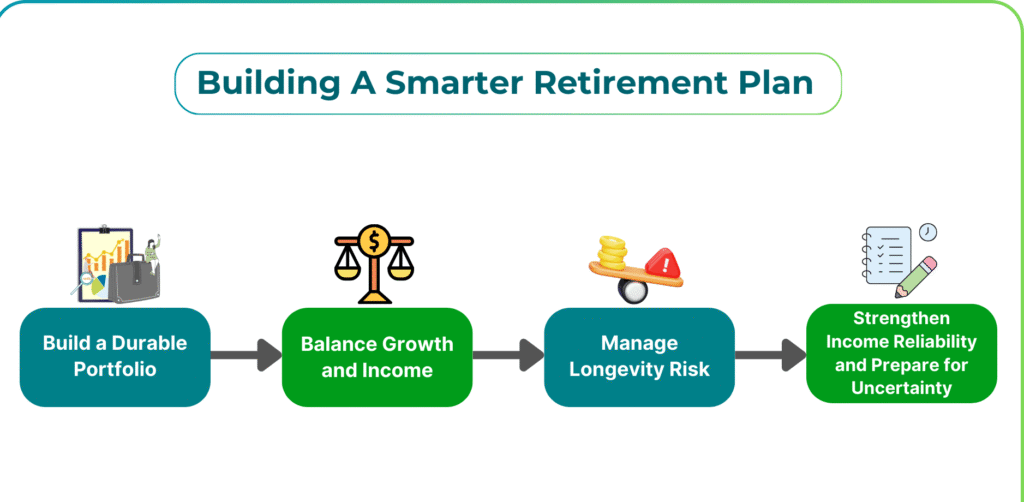
A successful retirement plan combines multiple elements working together. Savings, investments, healthcare preparation, financial education, and cost-saving opportunities all contribute to long-term financial stability.
Rather than focusing solely on accumulating wealth, retirement planning should emphasize sustainability. The goal is to create a financial framework capable of supporting desired lifestyle choices throughout retirement.
Diversifying income sources can strengthen retirement security. In addition to personal savings, retirees may benefit from pensions, government benefits, investment income, and other financial resources. Combining these sources can create greater resilience against economic uncertainty.
Regular reviews remain essential throughout retirement. Financial needs and priorities often change over time, making periodic adjustments necessary. Monitoring expenses, evaluating savings performance, and reassessing goals help ensure that retirement plans remain aligned with evolving circumstances.
Conclusion
Retirement planning is one of the most important investments individuals can make in their future. Building a strong retirement savings strategy provides financial confidence, while access to exclusive member perks can enhance value by reducing expenses and offering valuable resources.
The combination of disciplined saving, ongoing financial education, healthcare preparation, and meaningful member benefits creates a comprehensive approach to retirement readiness. By taking proactive steps today, individuals can position themselves for a future that offers greater financial security, flexibility, and peace of mind.
Retirement is not simply the end of a career; it is the beginning of a new chapter filled with opportunities for growth, enjoyment, and personal fulfillment. With thoughtful planning and access to supportive resources, it is possible to create a retirement experience that is both financially sustainable and deeply rewarding.
FAQ’s
How to Get a Personal Loan in India
few years ago, I found myself in a position where I needed a significant amount…

Profitable Business Ideas for Students to Earn Money in 2026
I still remember sitting on my twin-sized college bed during my second semester, opening my…

How to Invest in Fixed Deposits in 2026
When I first started earning and saving money, the investment world felt completely overwhelming to…

The Best Stock Market Investment Tips for Beginners in 2026
When I first stepped into the stock market back in 2021, I was convinced I’d…

The Best Apps for Exam Preparation in India
When I first started preparing for competitive exams in India, my study table was a…

How to Start an E-commerce Business in India in 2026
When I took the plunge into online selling in India back in early 2024, my…