
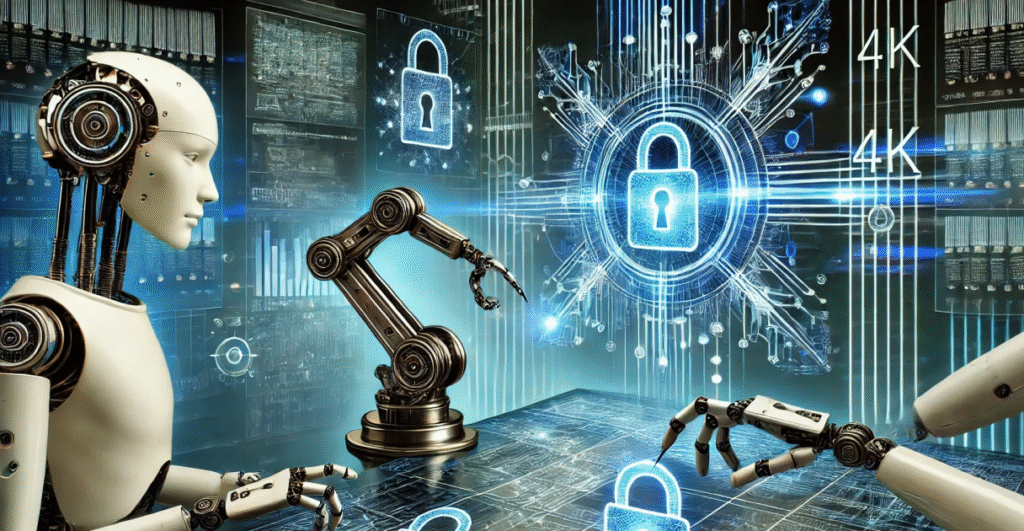
Artificial intelligence and automation are no longer concepts reserved for technology experts or large corporations. Over the past decade, these technologies have become part of everyday life, influencing how people work, communicate, shop, learn, and manage their daily tasks. From virtual assistants that answer questions to software that handles repetitive business processes, AI and automation are transforming the way the world operates.
For beginners, the terms “AI” and “automation” can sometimes feel confusing or intimidating. They are often used together, leading many people to assume they mean the same thing. While they are closely connected, they serve different purposes and offer unique benefits. Understanding the basics of these technologies is the first step toward using them effectively in both personal and professional settings.
This guide explains AI and automation in simple terms, explores how they work, and highlights the ways they are changing industries and everyday life.
Understanding Artificial Intelligence
Artificial intelligence, commonly known as AI, refers to technology designed to perform tasks that typically require human intelligence. These tasks may include learning from data, recognizing patterns, understanding language, solving problems, and making decisions.
Unlike traditional computer programs that follow fixed instructions, AI systems can analyze information and improve their performance over time. This ability allows them to adapt to new situations and provide increasingly accurate results.
A common example of AI is a virtual assistant that understands voice commands and responds with relevant information. Recommendation systems used by streaming platforms and online stores also rely on AI to suggest content and products based on user preferences.
The primary goal of artificial intelligence is to make machines capable of performing tasks in ways that mimic aspects of human thinking and decision-making.
What Is Automation?
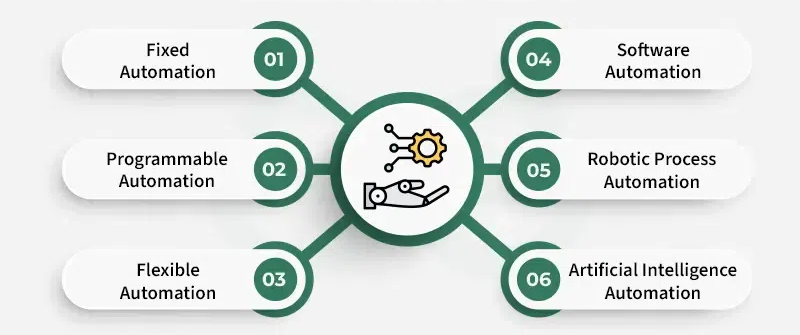
Automation refers to the use of technology to perform tasks with minimal human intervention. Its main purpose is to reduce manual effort and increase efficiency.
Unlike AI, automation does not necessarily involve learning or decision-making. Traditional automation follows predefined rules and processes. When a specific condition is met, the system performs a corresponding action.
For example, an automated email system can send a welcome message whenever a new customer signs up for a service. The system does not think or learn; it simply follows instructions that have been programmed into it.
Automation can be found in manufacturing, customer service, finance, healthcare, and countless other industries. It helps organizations save time, reduce errors, and improve productivity.
The Difference Between AI and Automation
Although AI and automation are often mentioned together, they are not identical.
Automation focuses on completing repetitive tasks according to predefined rules. It is designed to execute processes consistently and efficiently.
AI, on the other hand, focuses on learning, reasoning, and making decisions based on data. AI can analyze information, recognize patterns, and adapt to changing circumstances.
The two technologies often work together. Automation handles routine processes, while AI provides intelligence that helps systems make better decisions. This combination creates powerful solutions capable of managing complex tasks with greater efficiency.
Understanding this distinction helps beginners recognize how these technologies complement each other rather than compete.
Why AI and Automation Matter Today
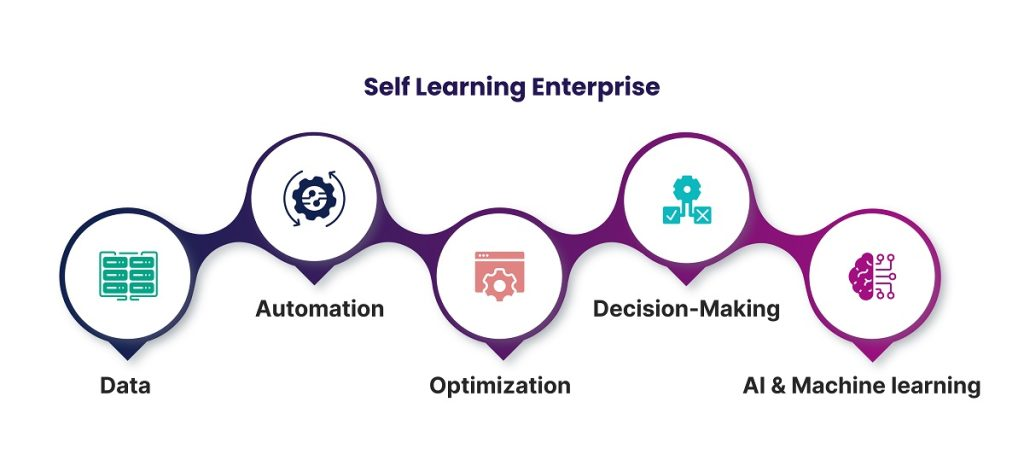
The growing importance of AI and automation is driven by the increasing demand for speed, accuracy, and efficiency. Organizations across industries face constant pressure to improve operations while meeting customer expectations.
AI and automation help address these challenges by reducing manual workloads and enabling faster decision-making. Businesses can process large amounts of data, automate repetitive tasks, and deliver better customer experiences.
For individuals, these technologies simplify daily activities. Navigation apps suggest the fastest routes, online platforms recommend relevant content, and smart devices automate household functions.
As technology continues to advance, AI and automation are becoming essential tools for improving productivity and enhancing convenience.
How AI Works
At its core, AI relies on data. The more relevant data an AI system receives, the better it can learn and make predictions.
AI systems analyze information to identify patterns and relationships. Through this process, they develop models that help them perform specific tasks. For example, an AI-powered language tool learns from vast amounts of text to understand grammar, context, and communication patterns.
Machine learning is one of the most common branches of AI. It allows systems to improve their performance without being explicitly programmed for every possible situation. Instead, the system learns from experience and adjusts its behavior accordingly.
This learning capability is what makes AI different from traditional software programs.
Common Applications of AI
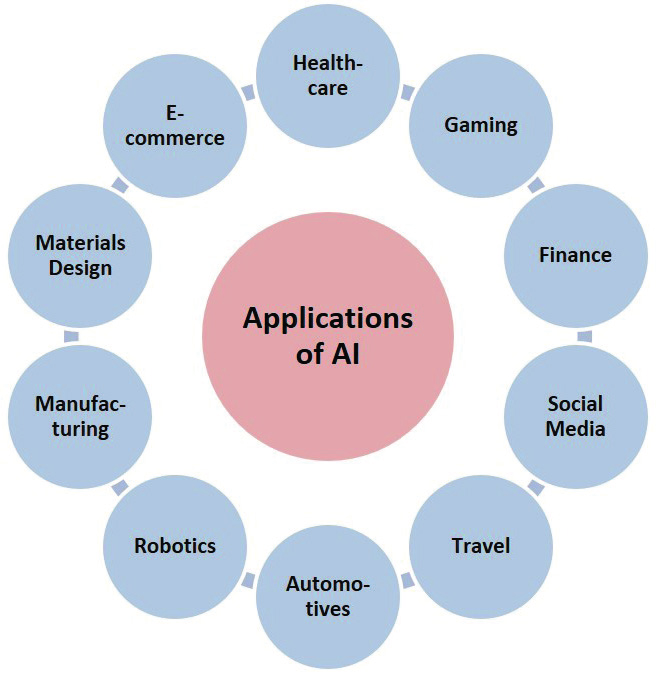
Many people use AI every day without realizing it. The technology has become deeply integrated into modern digital experiences.
Search engines use AI to deliver relevant results based on user queries. Streaming services recommend movies and music according to viewing habits. Online retailers suggest products based on browsing and purchasing history.
Customer service chatbots provide instant responses to common questions. Language translation tools convert text between different languages. Voice assistants respond to spoken commands and perform various tasks.
These applications demonstrate how AI helps improve convenience, personalization, and efficiency in everyday life.
Common Applications of Automation
Automation is equally widespread and often operates behind the scenes.
Businesses use automation to process invoices, manage inventory, schedule appointments, and send marketing emails. Manufacturing facilities rely on automated systems to assemble products with precision and consistency.
In healthcare, automation helps manage patient records and appointment scheduling. Financial institutions use automated systems to process transactions and monitor account activity.
Even personal productivity tools include automation features that organize tasks, schedule reminders, and streamline workflows.
The ability to handle repetitive work consistently makes automation valuable across countless industries.
Benefits of AI and Automation
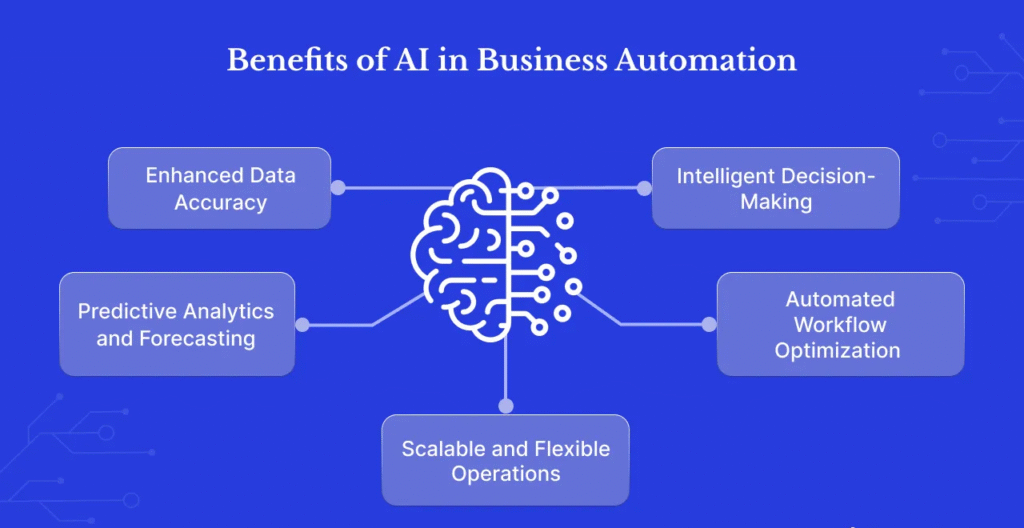
One of the biggest advantages of AI and automation is increased efficiency. Tasks that once required significant time and effort can now be completed much faster.
These technologies also improve accuracy by reducing the risk of human error. Automated systems follow processes consistently, while AI can analyze data more quickly than humans in many situations.
Cost savings represent another important benefit. By automating routine work, organizations can allocate resources more effectively and focus on higher-value activities.
AI and automation also enhance customer experiences through faster service, personalized recommendations, and improved responsiveness.
For individuals, these technologies simplify daily tasks and provide access to information and services with greater convenience.
Challenges and Concerns
Despite their benefits, AI and automation also present challenges.
One common concern is the potential impact on jobs. As certain tasks become automated, some roles may change or disappear. However, new opportunities often emerge as organizations adopt advanced technologies and require workers with different skills.
Privacy is another important issue. AI systems often rely on large amounts of data, raising questions about how information is collected, stored, and used.
Bias in AI systems can also be a challenge. If the data used to train an AI contains biases, the system may produce unfair or inaccurate results.
Addressing these concerns requires responsible development, transparency, and ongoing oversight to ensure that AI and automation are used ethically and effectively.
How Beginners Can Start Using AI and Automation

Getting started with AI and automation does not require advanced technical knowledge. Many user-friendly tools are available for beginners.
The first step is identifying tasks that consume significant time or involve repetitive processes. These tasks often present the best opportunities for automation.
Productivity tools, scheduling software, and customer communication platforms frequently include built-in automation features that are easy to use. Exploring these tools can provide valuable hands-on experience.
AI-powered writing assistants, research tools, and data analysis platforms can also help beginners understand how artificial intelligence works in practical situations.
Starting with small projects allows users to gain confidence and discover ways these technologies can improve efficiency.
The Future of AI and Automation
The influence of AI and automation is expected to grow significantly in the coming years. Advances in computing power, data availability, and machine learning techniques continue to expand what these technologies can accomplish.
Future applications may include more advanced healthcare systems, smarter transportation networks, improved educational tools, and increasingly personalized digital experiences.
Businesses will likely continue integrating AI and automation into their operations to remain competitive and meet evolving customer expectations.
For individuals, developing a basic understanding of these technologies will become increasingly valuable as they become more integrated into daily life and work environments.
Conclusion
Artificial intelligence and automation are reshaping the world in ways that were once difficult to imagine. While the concepts may seem complex at first, their fundamental purpose is simple: to improve efficiency, enhance decision-making, and simplify tasks.
AI focuses on learning, analyzing, and making intelligent decisions, while automation streamlines repetitive processes through predefined actions. Together, they create powerful solutions that benefit businesses, organizations, and individuals alike.
For beginners, understanding the basics of AI and automation provides a strong foundation for exploring the opportunities these technologies offer. As their influence continues to grow, learning how they work and how to use them effectively will become an increasingly valuable skill in both personal and professional life.
FAQ’s
1. What is artificial intelligence (AI)?
AI is technology that enables machines to learn, analyze, and make decisions.
2. What is automation?
Automation uses technology to perform tasks with minimal human involvement.
3. How are AI and automation different?
AI learns and adapts, while automation follows predefined rules.
4. Where is AI commonly used?
AI is used in search engines, virtual assistants, chatbots, and recommendation systems.
5. Why are AI and automation important?
They improve efficiency, reduce manual work, and enhance productivity.
10 Innovative Tech & Software Tools That Make Work Easier
Technology has quietly become the gentle wind that moves modern work forward. Like a river…

10 Innovative Tech & Software Tools That Save Time and Money
Technology has quietly become part of almost every moment in our lives. From the first…

The Ultimate Digital Marketing Blueprint for Business Growth in 2026
The digital world moves like a flowing river. Every year, new platforms appear, customer expectations…

10 Powerful AI & Automation Tools That Save Time Every Day
This is where AI & Automation begins to make a meaningful difference. Instead of replacing…

10 Powerful Tools & Tutorials That Can Transform Your Daily Workflow
Every day brings a fresh opportunity to accomplish something meaningful, yet many of us find…

Best Tech & Software for Students, Professionals, and Creators
Technology has become one of the strongest driving forces behind education, business, and creativity. In…