
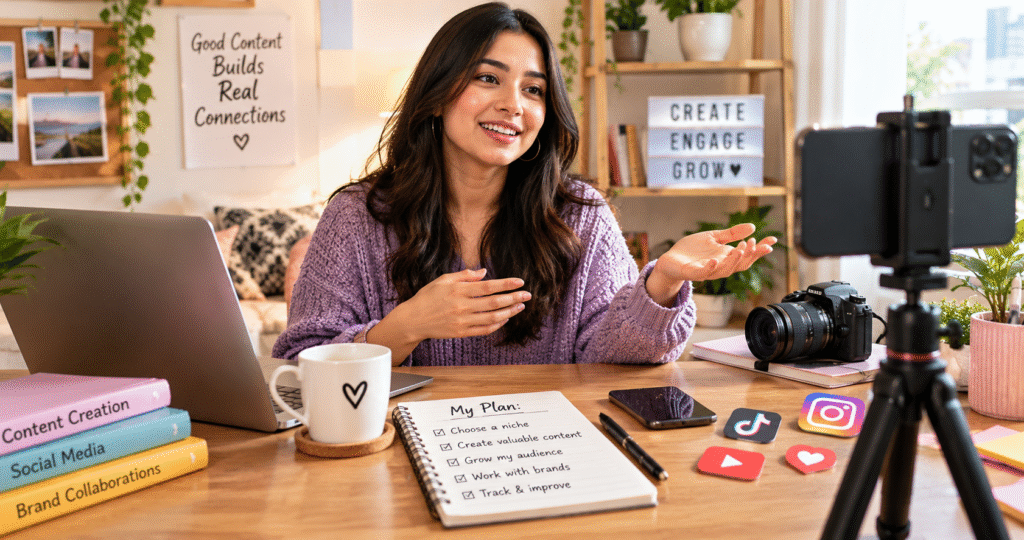
Every morning when I open Instagram or tune into YouTube, I notice how smoothly products blend into my feed. A creator I follow isn’t pushing a hard sales pitch; she’s just getting ready for work, casually mentioning the gel cleanser that finally calmed her breakouts. Another Influencer Marketing creator drops a quick weekend vlog showing a quiet coffee shop in my city I had no idea existed, or styles a thrifted jacket in three different ways.
What strikes me most is that I didn’t log on to shop. I was just taking a five-minute break between work tasks or looking for dinner ideas. Yet, by the time I closed the app, I had saved two posts, bookmarked a local café, and noted down a product brand I’d never heard of before.
For a long time, I thought influencer marketing was strictly reserved for massive brands with bottomless budgets. I envisioned celebrity endorsements, professional video crews, high-end studio lighting, and checks with far too many zeros for an everyday business to afford. Small businesses didn’t even factor into my mindset.
Over time, observing how diverse Influencer Marketing creators have become completely changed my perspective. I began seeing how valuable—and accessible—this strategy can be for businesses of any size. A micro-creator sharing honest, budget fashion hacks often builds far stronger trust with her audience than a mainstream celebrity holding up a product she clearly doesn’t use.
That said, I’ve also learned that influencer marketing isn’t a magic button for instant revenue. I’ve seen stunning, highly-viewed videos fail to convert into a single paying customer. It is not a shortcut, and it certainly isn’t a gamble where you throw money around and hope for the best.
If I were starting a business today from scratch, I wouldn’t waste funds on massive launch campaigns. Instead, I’d focus on understanding my core audience, partnering carefully with real creators, and treating every single campaign as a practical experiment to learn from. Here is my personal, step-by-step breakdown of how I approach influencer marketing from the ground up.
What Influencer Marketing Really Means to Me
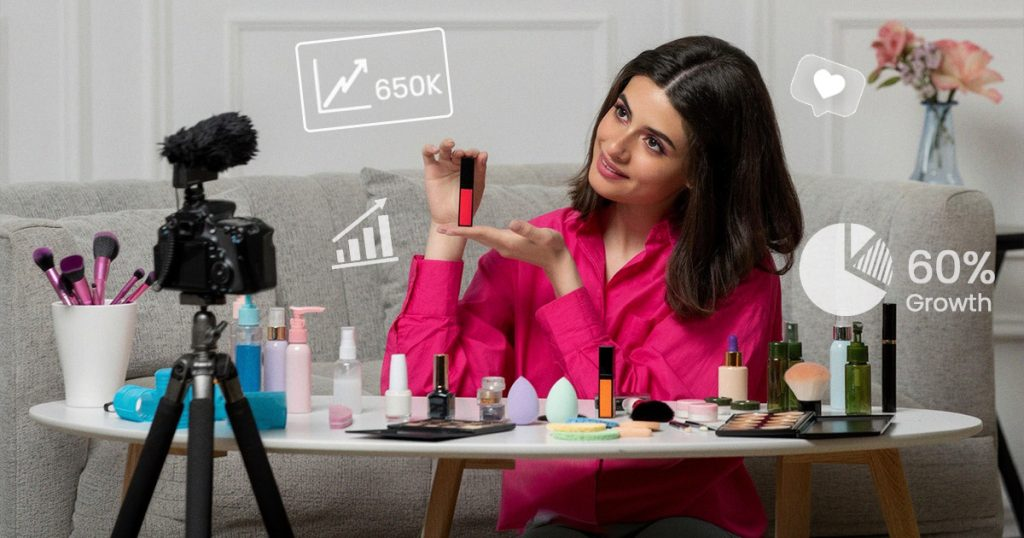
At its core, influencer marketing is simply word-of-mouth recommendations scaled up through digital platforms. Instead of relying purely on traditional ads, you work with creators who have built genuine, trusting communities around specific topics—whether that’s home cooking, tech reviews, budget decor, or indie fashion.
The Influencer Marketing promotion doesn’t need to look like a polished commercial. In fact, it’s usually much better when it doesn’t. It can be an honest YouTube review, an unboxing Reel, a practical demonstration, or a subtle inclusion in a creator’s everyday routine.
To illustrate how I view this, imagine a small handmade jewelry business. As an owner, you can post clean product shots of silver earrings against a plain backdrop all day long. But as a prospective buyer, I still catch myself wondering: How big are these in real life? How do they drape? Would they look good with a simple daily kurti, or are they strictly for weddings?
Now, put those exact same earrings on a daily fashion Influencer Marketing creator. She styles them with a casual cotton outfit for work, then switches to a festive look for the evening. Suddenly, viewers aren’t just looking at a static piece of metal—they see how it fits into their actual lives and wardrobes.
When viewers see that context, a few things happen. Some will click straight to the profile out of curiosity. Others will save the post to rewatch later when they have budget. A handful will buy immediately. The final result depends on your product quality, pricing, audience match, and offer—not just the view count.
Influencer Marketing Creators might be compensated through flat payment fees, gifted products, or affiliate commission models based on sales generated. But the biggest lesson I’ve taken away is this: Influencer marketing is never about follower numbers; it is entirely about relevance. If the partnership doesn’t feel natural to the audience watching, it simply won’t work.
Why I Recommend Beginners Start Here
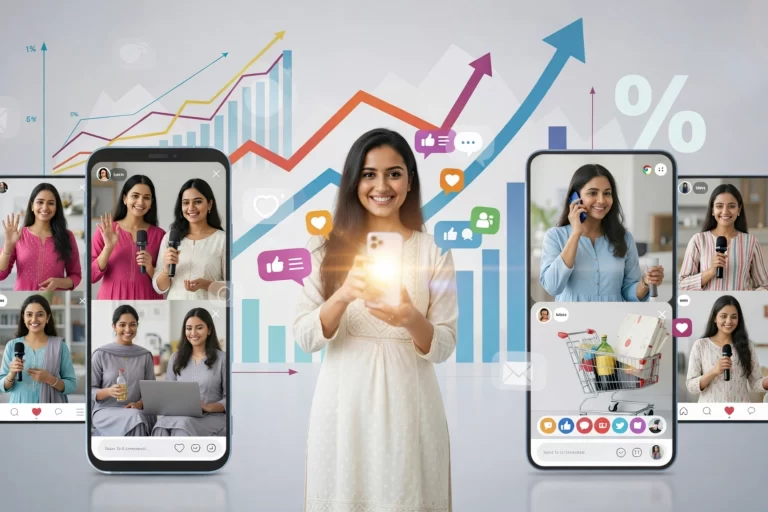
If you’re running a small brand, breaking through digital noise with paid ads alone is getting harder and more expensive by the day. Working with Influencer Marketing creators gives you a human, relatable entryway to reach potential customers who otherwise would have passed right by your business.
Consider a small home decor brand selling throw pillow covers, ceramic mugs, and table runners. Standard product photos often look dry. But if a Influencer Marketing creator who specializes in small-space room makeovers uses those items to cozy up a balcony or a reading corner, the product comes alive. Viewers can instantly imagine those items sitting on their own furniture.
I’ve seen this work across almost every industry:
- A local food reviewer introduces a quiet neighborhood bistro to foodies searching for weekend dinner spots.
- A tech creator breaks down a mid-range smartphone’s camera settings, helping prospective buyers figure out if it suits their travel needs.
- A skincare enthusiast shows the texture of a lightweight moisturizer on camera, answering questions about greasy residue before viewers even have to ask.
Beyond visibility, these collaborations answer practical buyer questions visually. A live demonstration removes hesitation far better than a block of sales text ever could.
The feature I appreciate most about this approach is scalability. You don’t need a multi-lakh campaign strategy to get off the ground. You can start with a tiny, well-considered test run, gather real data on how people respond, and adjust your approach without risking your business finances.
My Step-by-Step Practical Playbook for 2026
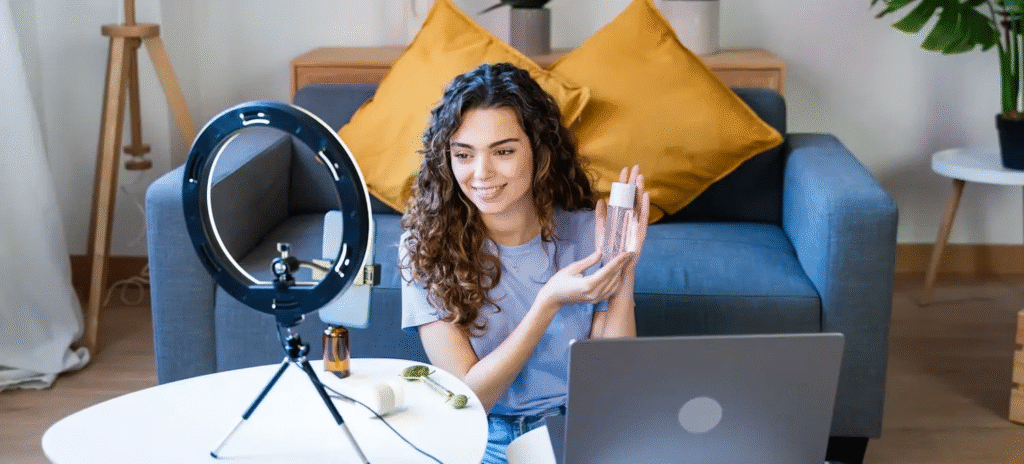
If I were launching a campaign tomorrow, here is the exact process I would follow to keep my budget safe and maximize results.
1. Define One Clear Goal Before Doing Anything Else
Before sending a single DM or searching for profiles, I sit down and define exactly what success looks like for the business right now. It sounds obvious, but it’s frighteningly easy to get blinded by high view counts and vanity metrics while losing track of actual business health.
Different goals require completely different campaign structures and tracking metrics. Here is how I map them out:
| Campaign Objective | Primary Metrics I Watch | What It Actually Means |
| Brand Awareness | Reach, Impressions, Total Views | Getting fresh eyes on the brand name |
| Website Traffic | Link Clicks, Direct Visits, Session Duration | Driving interested people to explore your shop |
| Direct Sales | Orders, Revenue, Conversion Rate | Turning viewers into paying customers |
| Community Engagement | Comments, Shares, Saves, DMs | Gauging deep interest and product consideration |
| Content Creation | Visual Quality, Reusability Rights | Getting high-quality photos/videos to use on your own page |
If my primary goal is driving sales for a seasonal collection, I pay zero attention to vanity metrics like superficial likes. My eyes are glued to link clicks, cart additions, and coupon code redemptions. If my goal is purely brand awareness, overall reach and video completion rates take priority. Pick two key metrics that match your business phase and ignore the rest of the noise.
2. Match the Product to the Right Platform
Instagram is often the default choice because visually pleasing content thrives there, but I never assume it’s automatically the right venue for every single product.
- Instagram (Reels & Stories): Perfect for fashion, lifestyle, beauty, decor, and quick food reviews. It excels at visual appeal, short-form storytelling, and impulse discovery.
- YouTube (Long-form): The place to be when your product requires explanation, trust-building, or comparison. If you are selling electronics, complex appliances, or higher-priced items, a detailed ten-minute YouTube review carries vastly more weight than a fifteen-second Reel.
- Niche Communities & Facebook Groups: Excellent for hyper-local businesses, specialized hobbies, or regional service providers where localized trust matters far more than flashy visuals.
I always ask myself one core question: Where does my target customer go when they are actively trying to solve a problem or look for inspiration? Go where the attention already lives instead of trying to force a product onto the wrong platform just because it’s trending.
3. Vet Influencer Marketing Creators Beyond Follower Counts
This is where most people burn money. I never evaluate a Influencer Marketing creator based solely on their main follower metric. A account with 200,000 followers might have bought their audience, or their engagement might have plummeted months ago.
When I shortlist a Influencer Marketing creator, I thoroughly analyze their recent posts:
- Niche Alignment: Do they consistently cover topics related to my product, or do they jump between random sponsored offers?
- Audience Tone: Look at the comment section. Are real people asking genuine questions about the items shown, or is it just generic emoji spam?
- Relatability: Does their lifestyle match my target buyer? A budget clothing brand partnering with a luxury lifestyle creator will fail, regardless of how large her audience is, because her followers aren’t looking for budget deals.
I would much rather partner with a micro-creator who has 8,000 highly engaged, loyal followers who trust her recommendations than a huge page where content gets lost in an algorithmic void. When appropriate, I politely ask for screenshot insights showing audience demographics (location, age, top cities) to ensure their audience aligns with my shipping capabilities.
4. Reach Out Like a Human, Not an Automated Bot
When reaching out to creators, throw away generic corporate templates. Content creators receive dozens of lazy copy-pasted pitch emails every single day, and most go straight to the trash.
I keep my initial messages short, personal, and transparent:
- Acknowledge specific work: Mention a recent piece of content they made that genuinely caught your attention.
- Introduce the product briefly: Explain what your business does and why you believe it naturally fits their channel content.
- State the proposal simply: Clearly mention whether you are offering a paid collaboration, sending gifted products for feedback, or proposing an affiliate structure.
- Call to action: Ask if they are open to receiving a brief outline or reviewing sample products with zero high-pressure demands.
A thoughtful, tailored message shows respect for their time and sets a professional, collaborative tone from day one.
5. Establish a Grounded Budget Strategy
Before making financial commitments, calculate exactly what your business can afford without risking cash flow. Remember to factor in hidden expenses:
- The Influencer Marketing creator’s baseline fee
- Product sample costs
- Custom packaging and shipping fees
- Paid boosting/ad budgets if you plan to amplify the post later
Never throw your entire quarterly Influencer Marketing budget at a single creator, no matter how impressive their page looks. Diversify your risk. It is far wiser to split a modest budget across two or three smaller testing campaigns. This gives you comparative data to see which creator style, messaging, and platform yield actual business returns.
6. Put Clear Influencer Marketing Agreements in Writing Upfront
Misunderstandings ruin great partnerships. Before any content creation begins, I put every detail into a straightforward written agreement or confirmation email.
Make sure to clarify:
- Deliverables: Exact formats (e.g., 1 Instagram Reel + 2 Story slides with direct links).
- Timelines: Draft review dates and final publishing schedules.
- Content Rights: Can you repost their video on your brand’s official page? Can you use it as a paid Facebook/Instagram ad? (Crucial note: Usage rights often require an additional fee beyond the initial post cost).
- Key Messaging Requirements: Mandatory tags, specific discount codes, brand handles, or required talking points.
- Payment Terms: Deposit amounts, completion terms, and payment schedules.
Having clear expectations documented upfront protects both parties, maintains professionalism, and keeps the project moving smoothly.
7. Give Influencer Marketing Creators Room to Be Authentic
One of the biggest mistakes I see brands make is handing creators a rigid, word-for-word corporate script. Nothing kills engagement faster than a creator suddenly sounding like a stiff television infomercial.
I provide a clear brief outlining product facts, key features, and unique selling points, but I step back and give them creative freedom on how to express it. They know their audience’s language and preference far better than I do.
Allow them to integrate your product into their natural voice, everyday routines, and personal aesthetic. Authentic content builds real trust; over-controlled scripts breed audience skepticism.
(Also, always ensure compliance with advertising standards, such as clear disclosures like #ad, #sponsored, or paid partnership tags as required by local regulators like ASCI in India or the FTC elsewhere).
8. Measure, Learn, and Iterate Realistically
Once the content goes live, resist the urge to measure success solely by superficial likes.
Use trackable UTM links, unique creator promo codes, or dedicated landing pages to trace activity directly back to the campaign. Compare your final numbers against the initial goal you set in step one:
- If sales were the goal, look at order volume, average order value, and net revenue generated against the campaign cost.
- If brand awareness was the goal, analyze unique reach, saves, profile visits, and direct search lift.
If a campaign underperforms, don’t immediately throw in the towel on influencer marketing as a whole. Analyze what went wrong objectively. Was the offer attractive enough? Was the landing page easy to navigate on mobile? Was the product pricing too high for that specific audience? Every campaign, whether wildly profitable or quiet, gives you irreplaceable real-world data to refine your next attempt.
🚀 Ready to Find Influencers?
Discover creators and find the right fit for your brand.
Instagram YouTube Creator ToolsThe Influencer Marketing Mistakes I Avoid At All Costs
To keep your learning curve smooth and preserve your capital, keep these common traps in mind:
- Chasing Vanity Metrics: Never hire someone purely for a massive follower count. Prioritize genuine audience interaction, niche relevance, and comment quality every time.
- Expecting Instant Overnight Wealth: Influencer content often builds a multi-touchpoint awareness pipeline. Customers may see a post today, save it, research your brand next week, and finally purchase next month.
- Vague Communication: Never leave deliverables, deadlines, or content usage rights open to interpretation. Put everything down clearly in writing before sending products or funds.
- Ignoring Regulations: Always ensure paid collaborations are explicitly disclosed using proper platform tags to build consumer trust and meet advertising standards.
- Overspending Too Early: Treat early campaigns as low-risk learning experiments. Start small, track data meticulously, and scale your budget only when you find creator formats that reliably deliver returns.