
When I took the plunge into online selling in India back in early 2024, my core motivation was simple: I wanted to build a real, income-generating E-commerce Business without risking my savings on a physical shop’s rent and security deposit. The idea of starting tiny—literally converting my bedroom desk into an inventory station, counting stock by hand, and taping up my own packages—felt completely manageable.
Now, after shipping thousands of orders, dealing with lost courier bags, facing angry calls over delayed COD deliveries, and figuring out GST filings the hard way, I can tell you that online retail is not a passive side hustle. It is a full-fledged operations business.
If you are thinking about starting an e-commerce business in India in 2026, here is my real, unglamorous, and practical breakdown of how it actually works.
What Is an E-commerce Business?

Strip away the E-commerce Business marketing jargon, and an e-commerce store is just a digital system that lets local buyers view your items, pay either upfront via UPI or later via Cash on Delivery, and get the goods delivered to their doorstep by a local logistics driver.
When my first real customer ordered three items, I didn’t have a custom box or a warehouse. I packed them in plain white mailer bags I bought off a local vendor, wrote the address with a permanent marker, and dropped the package at a courier office down the street. That initial thrill taught me the biggest lesson in e-commerce: Start with what you have, get your first sales, and upgrade your setup as the revenue comes in.
E-commerce Business Models in India
Your chosen sales E-commerce Business platform determines how fast you get paid, how much platform fee you lose, and how much customer data you actually own.
| Business Model | How It Actually Functions Day-to-Day | Real Example | What I Learned Operating It |
| B2C Marketplaces | You list items on large shopping sites that handle the traffic. | Amazon India, Flipkart | Massive built-in traffic, but platform fees and return charges slice your margins. |
| D2C Storefront | You run your own website and drive your own visitors. | A Shopify or WooCommerce site | You own every customer email and phone number, but ad costs rest entirely on you. |
| Social Commerce | You sell directly through chats, posts, and direct messages. | Instagram Store, WhatsApp Business | Almost zero fixed monthly costs; ideal for testing low quantities. |
| Value Marketplaces | High-volume platforms focused on ultra-low prices. | Meesho | Huge order volume potential, but profit per item can drop to just ₹20–₹30. |
| B2B Bulk Sales | Supplying inventory in larger batches to other store owners. | IndiaMART, Wholesale suppliers | High cash flow per order, but payments can get delayed by 30 to 60 days. |
| Dropshipping | A third-party supplier ships directly to your buyer. | Sourcing via external supplier apps | Zero stock holding risk, but you take the blame when a vendor sends a bad product. |
Step 1: Picking the Right Product (And Validating Demand)

My biggest E-commerce Business early mistake was spending three weeks picking brand colors and designing a logo for products I hadn’t even tested. Nobody cares about a brand logo if the product itself doesn’t fix a problem or look irresistible on a phone screen.
Instead of launching a massive general category like “Women’s Ethnic Wear,” pick a tight niche like “Lightweight cotton Kurtis for daily office wear under ₹799.”
Practical Product Ideas to Explore
| Category | Typical Buyer | What Nobody Tells You Before You Start |
| Artificial & Brass Jewellery | Young adults, college students | Excellent profit margins, but anti-tarnish claims must be 100% genuine. |
| Home Accents & Decor | Apartment renters, new homeowners | Good average order values, but fragile items need expensive bubble wrapping. |
| Desk Supplies & Planners | Working professionals, students | High repeat purchases, but buyers are very picky about paper thickness. |
| Everyday Apparel | Men, women, and kids | Heavy daily sales, but size exchange requests will drain your operational time. |
| Curated Gift Packages | Birthday and festive buyers | Great seasonal spikes, but dispatch deadlines during festivals are brutal. |
My 5-Step Checklist Before Buying Any Stock
- Check Marketplace Search Traffic: Search the product keyword on Amazon, Meesho, and Instagram to confirm people are actively buying it right now.
- Mine Competitor Complaints: Go to 2-star and 3-star reviews on rival listings. Read what annoys buyers—is it fading color, bad zippers, or tiny sizing? Fix that specific complaint in your product.
- Order Physical Samples First: Never buy 100 pieces based on factory photos. Wear the product, wash it, or use it for a week yourself.
- Negotiate Low Test Batches: Find local suppliers willing to sell you an initial batch of 15 to 30 units so you don’t lock up all your cash.
- Watch the Courier Weight: Heavy or oversized items cost double to ship. Stick to lightweight goods under 500 grams when you are getting started.
Step 2: Choosing Where to List Your Items
You don’t need a fancy app or presence on every E-commerce Business platform on day one. Pick one main sales channel, figure out its mechanics, and then expand.
| Sales Channel | Who It Works Best For | Honest Pros & Cons |
| Amazon / Flipkart | Standard, ready-to-ship products | Pro: Instant customer trust. Con: High seller fees and complex return policies. |
| Meesho | Low-cost, mass-market goods | Pro: High order volume in Tier 2/3 cities. Con: Price wars are intense. |
| Instagram + WhatsApp | Custom, handcrafted, or visual goods | Pro: Personal connection with buyers. Con: Managing order DMs manually gets exhausting. |
| Your Own Shopify Site | Building a long-term brand | Pro: Total control over pricing. Con: You must pay for Meta/Google ads to get visitors. |
Step 3: Drafting a Simple E-commerce Business One-Page Plan
I don’t waste time on 20-page E-commerce Business plans. I keep a single notebook page updated with these six numbers and rules:
- What is my single primary product line?
- Who is my target customer, and where do they scroll online?
- What is my exact landed cost per unit (product + shipping to my room)?
- What is my maximum budget for packaging and courier charges?
- How will I handle Cash-on-Delivery verification?
- How many net sales do I need every day to pay for my monthly tools and ads?
Step 4: Registrations, Taxes, and Legal Realities
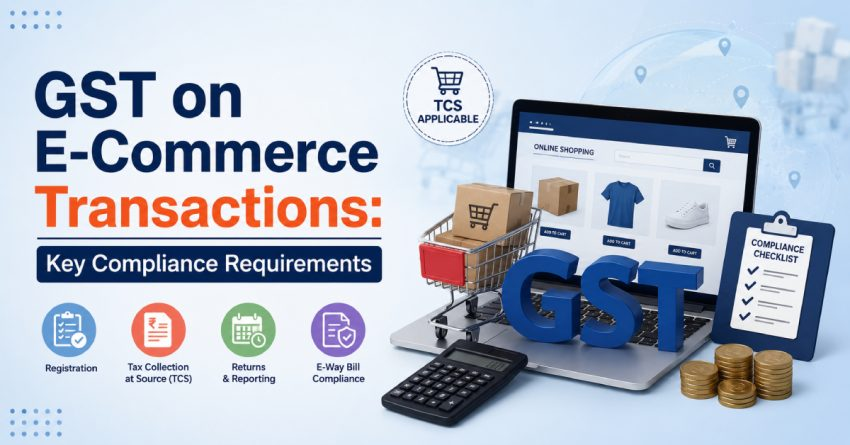
Taxes can feel intimidating, but taking care of your basic registrations early keeps your bank accounts safe and prevents sudden penalties.
Setting Up Your E-commerce Business Entity
Start as a Sole Proprietorship if you are operating solo with personal savings. It requires minimal paperwork. If you are starting with a E-commerce Business partner or taking external funding, look into an LLP or Private Limited Company.
The Truth About GST
If you sell goods through online E-commerce Business marketplaces (like Amazon or Flipkart) or ship orders across state borders, GST registration is compulsory, regardless of whether your sales are small.
My Initial E-commerce Business Registration Checklist
| Document / Setup | Why You Need It | How I Set It Up |
| PAN & Aadhaar | Core identity verification | Used my personal documents to initiate business filings. |
| GSTIN Number | Tax filing & platform onboarding | Applied online through the official GST portal. |
| Business Current Account | Keeps business money separate | Opened at a local bank branch using my GST certificate and PAN. |
| Udyam Registration | MSME government recognition | Registered for free on the official MSME government website. |
| FSSAI License | Basic food safety clearance | Required only if you sell edible goods like teas, spices, or snacks. |
Step 5: Finding Sourcing Partners and Wholesale Hubs
Your E-commerce Business product quality depends directly on your supplier’s honesty. I found my best suppliers by physically visiting wholesale markets in trade hubs rather than just relying on online supplier directories.
My Sourcing Rules:
- Avoid Full Advance Payments: Pay a small advance to start production, and clear the rest only after inspecting photos or videos of the packed goods.
- Always Demand GST Bills: Clean bills allow you to claim Input Tax Credit (ITC) on your monthly GST filings.
- Keep Backup Wholesale Contacts: Primary suppliers will run out of stock during peak festival seasons like Diwali. Always have two backup vendors on speed dial.
Step 6: Setting Up Your Starting E-commerce Business Budget
Here is what it actually costs to launch a lean, home-operated business versus a formal storefront setup in India today:
| Expense Head | Lean Home-Based Test | Small D2C Brand Setup |
| Initial Sample Inventory | ₹6,000 – ₹10,000 | ₹25,000 – ₹50,000 |
| Packaging Bags, Boxes & Labels | ₹1,000 – ₹2,000 | ₹4,000 – ₹7,000 |
| Store Setup & Website Software | ₹0 (Instagram/WhatsApp) | ₹3,000 – ₹8,000 |
| Product Photoshoot & Lighting | ₹0 (Natural light + Smartphone) | ₹3,000 – ₹6,000 |
| Initial Ad Campaigns | ₹2,000 – ₹4,000 | ₹10,000 – ₹18,000 |
| Emergency Contingency Cash | ₹2,000 – ₹4,000 | ₹5,000 – ₹10,000 |
| Total Real Capital Needed | ₹11,000 – ₹24,000 | ₹50,000 – ₹99,000 |
Step 7: Pricing Strategy and Unit Economics (The Real Math)
Here is the biggest trap new founders fall into: selling an item for ₹599, buying it for ₹220, and assuming they made a ₹379 profit. That is not how e-commerce math works.
Real Math Behind a ₹599 Order in India:
| Expense Line Item | Amount in Indian Rupees (₹) |
| Selling Price Charged to Customer | ₹599 |
| Product Sourcing Cost | – ₹220 |
| Polymailer Bag, Bubble Wrap, & Sticker Label | – ₹18 |
| Forward Shipping Courier Fee (Avg 500g) | – ₹68 |
| Payment Gateway / Platform Commission Fee | – ₹35 |
| Reserve for Returned/Rejected Packages (RTO Allowance) | – ₹45 |
| Paid Ad Spend to Get That Single Sale (CAC) | – ₹95 |
| Net Actual Cash Left in Your Bank Account | ₹118 |
If you don’t build a buffer for logistics and customer returns into your selling price, a single week of high return rates will wipe out your entire month’s profit.
Step 8: Building Product Listings That Actually Sell

When selling online, your photos and description are your only salespeople. Keep your listings simple, clear, and honest:
- Clear Product Names: Skip vague titles like “Pretty Red Dress.” Use searchable titles like “Pure Cotton A-Line Red Kurti for Women – Daily Office Wear.”
- Real Unedited Photos: Take close-up photos in natural daylight. Show the stitch quality, fabric texture, and actual inner lining.
- Precise Size Charts: Give measurements in both inches and centimeters. Misleading sizing is the number one cause of clothing returns in India.
Step 9: Logistics, Courier Partners, and Fighting RTOs
In India, Return to Origin (RTO) is every online seller’s worst nightmare. When a customer orders via Cash on Delivery and rejects the parcel at their door, the courier charges you for both the forward shipment AND the return shipment, while you make zero sales.
How I Keep My RTO Rate Under Control:
- WhatsApp Order Confirmations: Send an automated or manual WhatsApp message asking COD customers to click a “Confirm Order” button before you pack the parcel.
- Prepaid UPI Incentives: Give a flat ₹30 or ₹40 instant discount if the customer pays online via UPI at checkout.
- Use Shipping Aggregators: Use courier aggregator platforms to compare real-time delivery rates across multiple courier services for every pin code.
Ready to Start Your E-commerce Business?
Your first online sale could be the beginning of something bigger. Choose your product, start small, and build your business one order at a time.
Explore Udyam Registration →Check eligibility and applicable requirements on the official website.
Step 10: E-commerce Business Low-Cost Marketing That Drives Real Orders
You do not need lakhs of rupees in advertising budget to get your initial momentum. Focus on short-form content and direct engagement:
- Behind-the-Scenes Reels: Shoot raw, unedited vertical videos showing how you package orders, test product durability, or style items.
- Barter Micro-Influencers: Send free product samples to local creators who have 5,000 to 15,000 active followers in exchange for an unboxing video.
- WhatsApp Repeat Sales: Collect customer permission to send monthly updates about new collection launches via WhatsApp broadcasts.
My Practical 30-Day Launch E-commerce Business Schedule
| Week | Primary Operational Focus | Goal for the Week |
| Days 1 – 7 | Niche Selection & Validation | Pick 1 specific product category and analyze 3 competitor stores. |
| Days 8 – 14 | Supplier Finalization & Sampling | Order 3 samples, test quality, and lock in wholesale pricing. |
| Days 15 – 21 | GST & Store Setup | Complete tax registrations, set up your platform, and upload listings. |
| Days 22 – 30 | Soft Launch & Initial Ads | Send samples to micro-creators, run small test ads, and fulfill first orders. |
Frequently Asked Questions (FAQs)
1. What is the single biggest hidden cost for online sellers in India?
Return to Origin (RTO) expenses on Cash-on-Delivery (COD) orders. When a buyer declines a package, you pay both forward and return courier charges (often ₹100–₹150 total per parcel) without making a sale.
2. Do I need a separate commercial office space to apply for GST?
No, you can legally register a GSTIN using your residential home address. You only need your Aadhaar, PAN, personal bank details, and an address proof like an electricity bill or property tax receipt.
3. How do I handle courier pickups without high order volumes?
Use multi-courier aggregators like Shiprocket, NimbusPost, or Pickrr. These platforms let you book door pickups via top courier services (Delhivery, Blue Dart) without paying monthly security deposits.
4. Should I run paid Meta ads or rely on organic posts when starting out?
Test raw organic short-form videos (Reels/Shorts) first to validate demand. If your product listing and pricing do not convert unpaid social traffic, paid ads will quickly drain your starting capital.
5. How much reserve capital should I hold back beyond product stock?
Keep at least 30% of your total budget strictly as an operational safety net. Courier settlement cycles for COD take 3 to 7 days to hit your bank account, so reserves keep your business running smoothly.