
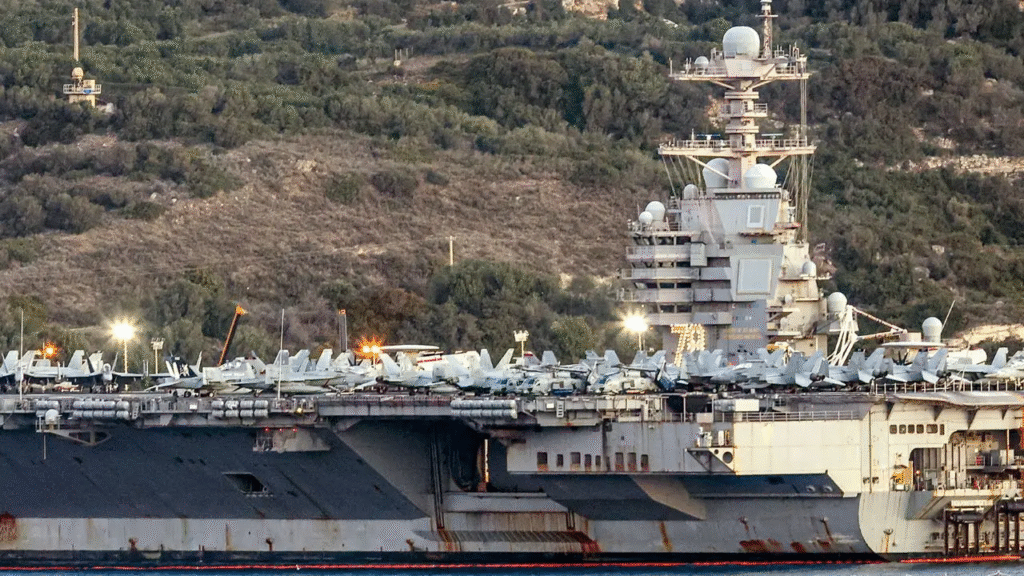
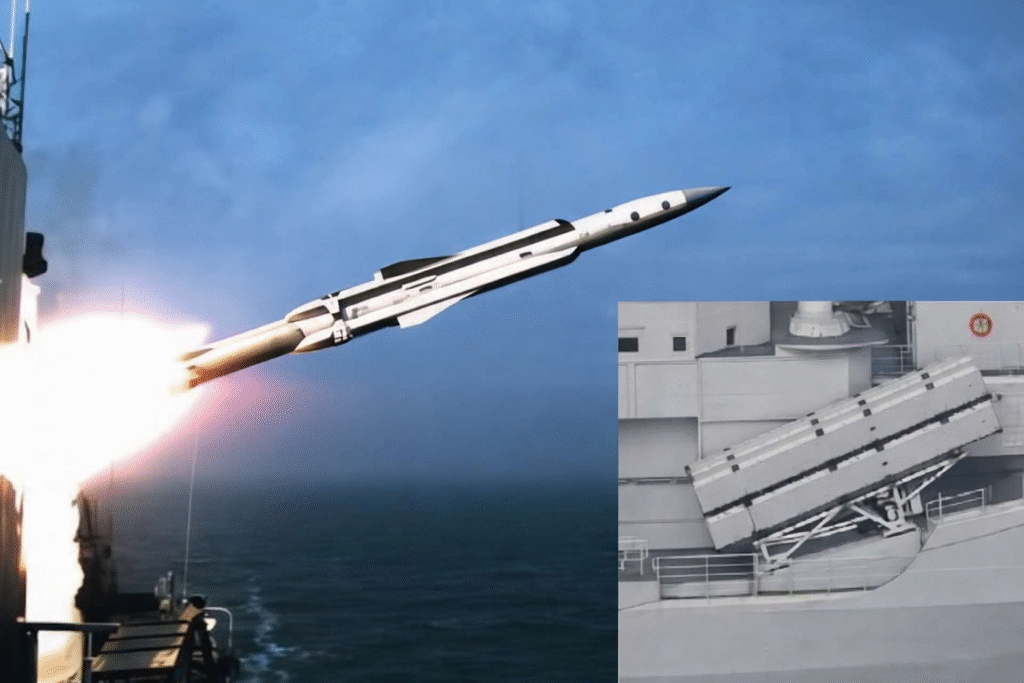
Rising tensions in the Middle East may be entering a new and more dangerous phase. Iran is reportedly close to sealing a major arms agreement with China to acquire advanced CM-302 supersonic anti-ship cruise missiles — weapons that could dramatically shift the naval balance in the region.
Tensions in the Middle East are rising sharply as Iran moves closer to finalizing a major arms deal with China for advanced supersonic anti-ship cruise missiles. According to multiple sources familiar with the negotiations, the agreement is in its final stages — a development that could significantly shift the military balance in the region.
Summary
- Talks accelerated after Israel-Iran war, involved senior Iranian officials
- Missiles would enhance Iran’s strike capabilities, threaten U.S. naval forces
- China-Iran ties deepen amid U.S.-Iran tensions
Why the CM-302 Missile Matters
The CM-302 is not just another missile system. It is a high-speed, sea-skimming weapon with a range of nearly 290 kilometers. Flying low and fast, it is specifically designed to avoid radar detection and evade ship defense systems. Defense experts believe these missiles could pose a serious threat to aircraft carriers, destroyers, and other large naval vessels operating near Iranian waters.
If deployed, the system would significantly boost Iran’s ability to deter or respond to foreign naval forces — especially those from the United States stationed in the Gulf.
U.S. Naval Forces Moving Closer
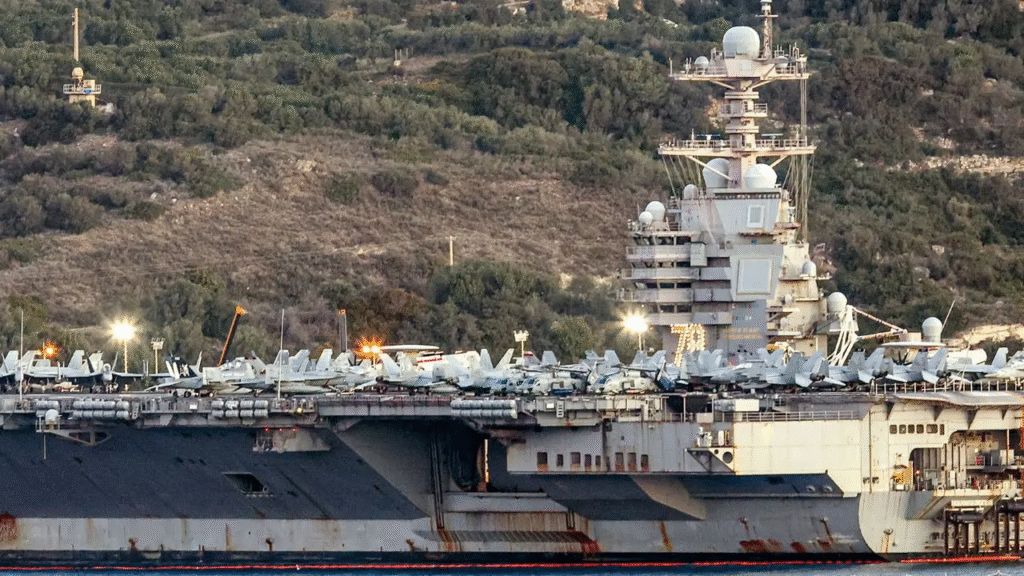
At the same time, the United States has positioned major naval assets near Iran. Among them are the aircraft carriers USS Abraham Lincoln and USS Gerald R. Ford, both capable of carrying dozens of advanced fighter jets and thousands of military personnel.
U.S. President Donald Trump recently warned that Iran has a limited window to reach an agreement regarding its nuclear program. According to officials, Washington is preparing contingency plans in case diplomacy collapses.
This military buildup makes the potential missile deal even more sensitive.
Deepening China–Iran Strategic Ties
The possible transfer highlights strengthening military cooperation between Beijing and Tehran. In recent years, China, Iran, and Russia have conducted joint naval exercises — signaling growing alignment.
Chinese President Xi Jinping has publicly stated that China supports Iran in safeguarding its sovereignty and territorial integrity. However, China’s foreign ministry has said it is not aware of the specific missile negotiations being reported.
If completed, this would mark one of the most advanced weapons systems transferred from China to Iran in decades.
Why Experts Call It a “Gamechanger”
Supersonic anti-ship missiles are difficult to intercept due to their extreme speed and low-altitude flight path. Analysts say that even advanced naval defense systems would face serious challenges stopping a coordinated attack.
After last year’s regional conflict reportedly weakened parts of Iran’s arsenal, acquiring such missiles could restore and even enhance its strike capability.
A Strategic Crossroads
This development places Iran at the center of a broader geopolitical contest. On one side stands the United States, seeking to limit Iran’s missile and nuclear ambitions. On the other are China and Russia, expanding their influence in a region long dominated by Western military power.
If the deal proceeds, it could reshape naval dynamics in the Gulf and further complicate diplomatic efforts to stabilize the region.
FAQs



#Iran #China #MiddleEastTensions #USNavy #MissileDeal #Geopolitics #Carrerbook #Anslation #DefenseNews #NavalPower #GlobalSecurity #BreakingNews