
Digital marketing is evolving faster than ever before. What worked a few years ago is no longer enough to compete in today’s crowded online space. Businesses, creators, and marketers must continuously adapt to new technologies, changing consumer behavior, and emerging platforms. The rise of artificial intelligence, short-form content, data-driven strategies, and personalized experiences has completely reshaped how brands connect with audiences.
Understanding current digital marketing trends is not just helpful, it is essential for survival and growth. Companies that stay updated can attract more customers, improve engagement, and increase revenue. On the other hand, those who ignore trends risk falling behind their competitors.
Here are the top digital marketing trends you need to know today to stay ahead in the digital world.
Artificial Intelligence in Marketing
Artificial intelligence has become one of the most powerful forces in digital marketing. It helps businesses analyze data, automate tasks, and improve customer experiences. AI tools are now widely used for content creation, customer service, advertising optimization, and audience targeting.
One of the biggest advantages of AI is personalization. Brands can now deliver highly customized content and product recommendations based on user behavior. This increases engagement and improves conversion rates.
AI chatbots are also transforming customer support. Instead of waiting for human assistance, customers can get instant responses to their queries. This improves satisfaction and reduces workload for businesses.
In addition, AI-powered analytics tools help marketers understand trends and predict customer behavior. This allows businesses to make smarter decisions and improve campaign performance.
Rise of Short-Form Video Content
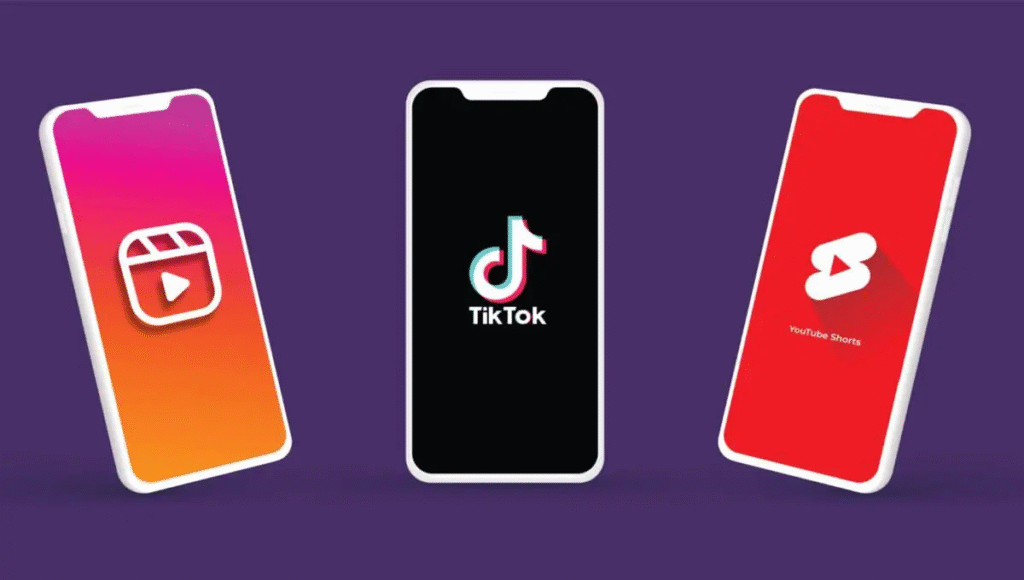
Short-form video content has exploded in popularity across platforms like YouTube Shorts, Instagram Reels, and TikTok. People today prefer quick, engaging, and easy-to-consume content rather than long videos.
Brands are using short videos to promote products, share stories, and connect with audiences in a more authentic way. These videos are often more engaging because they deliver information quickly and creatively.
The success of short-form content lies in its ability to capture attention within seconds. With decreasing attention spans, businesses must focus on delivering impactful messages in a short time frame.
Companies that use short videos effectively often see higher reach, better engagement, and stronger brand awareness.
Influencer Marketing Evolution
Influencer marketing continues to grow, but it has evolved significantly. Instead of only working with celebrities or large influencers, brands are now collaborating with micro and nano influencers.
These smaller influencers often have more engaged audiences and higher trust levels. Their recommendations feel more authentic and relatable, which leads to better results for businesses.
Another trend is long-term influencer partnerships instead of one-time promotions. Brands prefer building relationships with influencers to create consistent messaging and stronger brand identity.
Influencer marketing is no longer just about promotion; it is about storytelling and building trust with the audience.
Voice Search Optimization
With the increasing use of smart devices like Alexa, Google Assistant, and Siri, voice search is becoming more common. People now search for information using natural language instead of typing short keywords.
This shift requires businesses to optimize their content for voice search. Instead of focusing only on traditional SEO keywords, marketers must include conversational phrases and question-based content.
For example, instead of targeting “best pizza shop,” businesses should also consider phrases like “where can I find the best pizza near me.”
Voice search optimization improves visibility and helps businesses reach users who rely on voice-enabled devices.
Personalization in Marketing
Modern consumers expect personalized experiences. Generic advertisements and content no longer capture attention effectively. Instead, users prefer content that matches their interests, needs, and behavior.
Personalization can include customized email campaigns, product recommendations, targeted ads, and dynamic website content. Businesses that use personalization strategies often see higher engagement and better conversion rates.
Data plays a key role in personalization. By analyzing user behavior, purchase history, and preferences, marketers can create more relevant campaigns.
Personalized marketing makes customers feel valued and understood, which strengthens brand loyalty.
Growth of Social Commerce
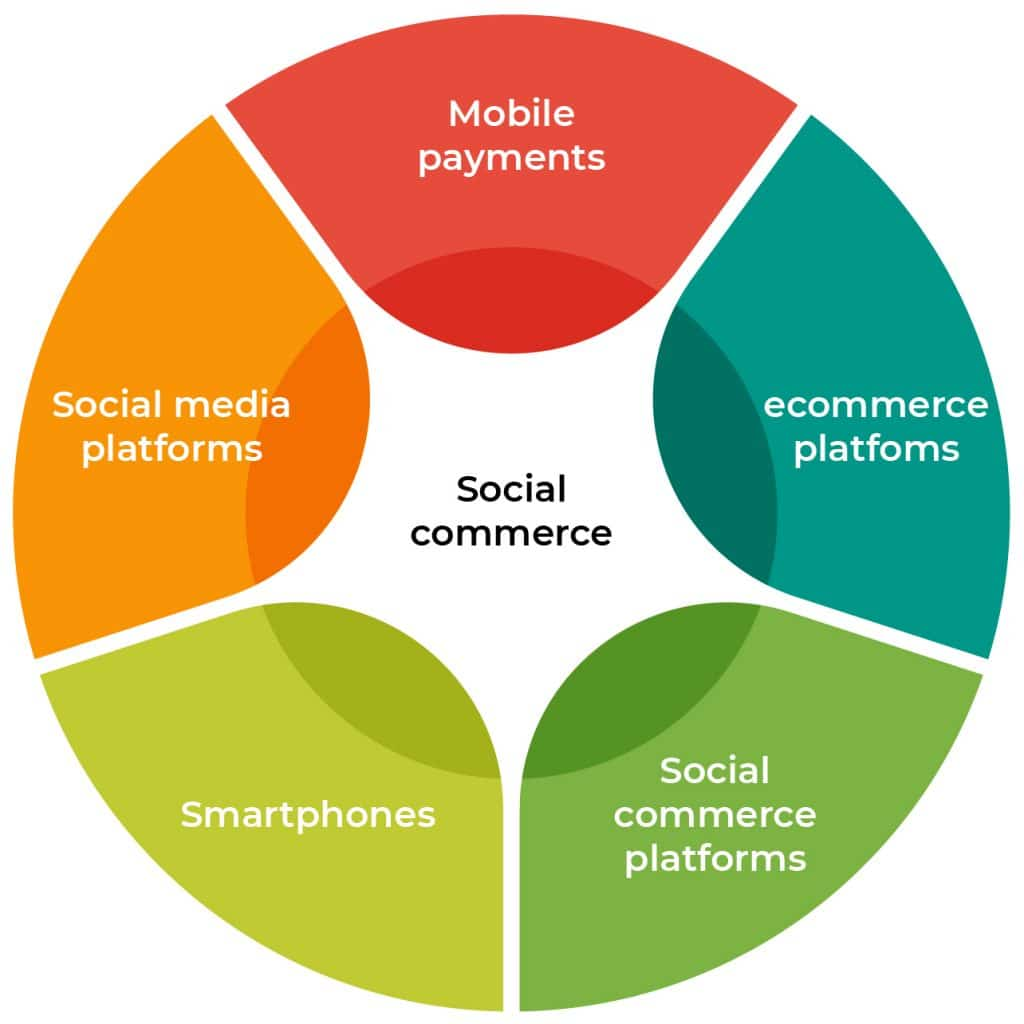
Social media platforms are no longer just for communication and entertainment. They have become powerful shopping channels. Social commerce allows users to discover and purchase products directly through platforms like Instagram, Facebook, and TikTok.
This trend has made online shopping faster and more convenient. Users can explore products, read reviews, and make purchases without leaving the app.
Businesses benefit from social commerce because it reduces friction in the buying process. The easier it is for customers to shop, the higher the chances of conversion.
Social commerce is expected to grow even more as platforms introduce advanced shopping features and payment integrations.
Content Marketing Still Dominates
Despite new technologies, content marketing remains one of the most important digital marketing strategies. High-quality content helps businesses attract, educate, and engage their audience.
Blogs, videos, podcasts, and infographics continue to play a major role in building brand authority. Search engines also reward valuable content by ranking it higher in search results.
The key trend in content marketing today is quality over quantity. Instead of producing large amounts of low-value content, businesses are focusing on meaningful, well-researched, and helpful information.
Evergreen content that remains relevant over time continues to bring traffic and leads long after it is published.
Data-Driven Marketing Decisions
Data has become the backbone of modern digital marketing. Businesses now rely heavily on analytics to understand customer behavior, track performance, and improve strategies.
Data-driven marketing helps companies identify what works and what does not. This reduces guesswork and improves efficiency.
Tools like Google Analytics and other marketing platforms provide insights into website traffic, user behavior, and campaign performance. Marketers use this data to optimize ads, improve content, and target the right audience.
The ability to make informed decisions based on real data gives businesses a competitive advantage.
Email Marketing Automation

Email marketing remains one of the most effective digital marketing channels. However, automation has made it even more powerful.
Businesses can now send personalized emails automatically based on user actions. For example, welcome emails, abandoned cart reminders, and follow-up messages can be triggered without manual effort.
Automation improves efficiency and ensures timely communication with customers. It also helps businesses maintain consistent engagement with their audience.
When done correctly, email marketing automation can significantly increase customer retention and sales.
Mobile-First Marketing
With most users accessing the internet through smartphones, mobile-first marketing has become essential. Websites, ads, and content must be optimized for mobile devices.
A mobile-friendly experience improves user satisfaction and reduces bounce rates. Slow-loading pages or poorly designed mobile layouts can negatively affect business performance.
Marketers are now focusing on responsive design, fast loading speeds, and mobile-optimized content. Mobile-first strategies ensure businesses can reach users anytime and anywhere.
The Importance of Digital Marketing Trends
Keeping up with digital marketing trends is no longer optional. It is necessary for survival in a competitive digital environment. Trends help businesses understand changing consumer behavior and adapt their strategies accordingly.
Companies that embrace innovation are more likely to grow faster and build stronger customer relationships. Digital marketing is constantly evolving, and staying updated ensures long-term success.
Ignoring trends can lead to outdated strategies, reduced visibility, and lost opportunities.