
Technology is evolving faster than ever, changing the way people live, work, communicate, and do business. In 2026, innovation is no longer limited to large tech companies or research labs. From small businesses to everyday consumers, technology has become deeply connected to daily life. Companies are investing heavily in smarter systems, automation, artificial intelligence, cybersecurity, and digital experiences to stay competitive in a rapidly changing world.
The rise of advanced technologies is also creating new opportunities across industries such as healthcare, education, finance, manufacturing, and entertainment. Businesses that adapt quickly are gaining an advantage, while those that ignore digital transformation risk falling behind. Understanding the latest tech trends is essential for anyone who wants to stay informed about the future.
Here are the top tech trends transforming the future in 2026.
Artificial Intelligence Becoming More Practical
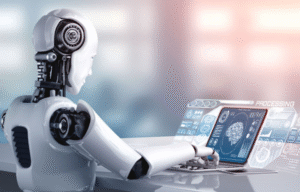
Artificial intelligence continues to lead the technology revolution in 2026. Unlike previous years when AI was mainly used by large corporations, businesses of all sizes are now adopting AI-powered tools to improve productivity and customer experience.
AI is being used in content creation, customer support, marketing automation, data analysis, and software development. Chatbots are becoming smarter and more human-like, helping businesses provide instant customer service around the clock. AI writing assistants are helping marketers create content faster, while AI-powered analytics tools help companies make better decisions using real-time data.
One of the biggest changes is the growth of generative AI. These systems can create text, images, videos, music, and even software code within seconds. This technology is reducing manual work and allowing teams to focus on strategy and creativity instead of repetitive tasks.
At the same time, companies are becoming more careful about ethical AI use, data privacy, and transparency. As AI becomes more integrated into society, regulations and responsible development are becoming equally important.
Growth of Cybersecurity and Digital Protection
As technology advances, cyber threats are also becoming more sophisticated. In 2026, cybersecurity is one of the highest priorities for businesses and governments worldwide. Data breaches, ransomware attacks, and online fraud continue to rise, pushing organizations to invest heavily in digital security.
Companies are using advanced security systems powered by AI to detect suspicious activity before damage occurs. Multi-factor authentication, biometric security, and zero-trust security models are becoming standard practices.
Remote work and cloud computing have increased the need for secure digital environments. Businesses are training employees on cybersecurity awareness because human error remains one of the biggest security risks.
Consumers are also becoming more concerned about online privacy. Tech companies are responding by offering stronger encryption, safer payment systems, and improved privacy controls for users.
Cybersecurity is no longer just an IT issue. It has become a critical business strategy that affects trust, reputation, and long-term success.
Expansion of Cloud Computing
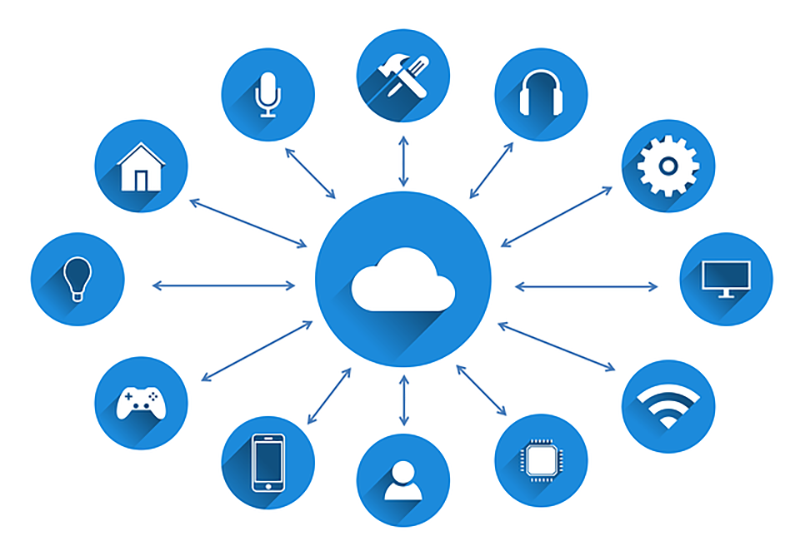
Cloud computing continues to transform the way businesses store, manage, and access data. In 2026, more companies are moving away from traditional servers and adopting cloud-based systems for flexibility and scalability.
Cloud technology allows businesses to operate from anywhere while reducing infrastructure costs. Employees can collaborate remotely, access files instantly, and use cloud-based software without depending on physical office setups.
Hybrid cloud and multi-cloud strategies are becoming increasingly popular. Instead of relying on a single provider, companies are using multiple cloud services to improve reliability and performance.
Cloud computing is also supporting the growth of artificial intelligence, big data, and remote work solutions. Startups and small businesses especially benefit because they can access powerful technology without investing heavily in hardware.
As cloud adoption grows, providers are focusing more on security, speed, and sustainability to meet increasing demand.
Rise of Automation Across Industries
Automation is changing industries at an unprecedented pace. Businesses are automating repetitive and time-consuming tasks to improve efficiency and reduce operational costs.
In manufacturing, robots and smart machines are improving production speed and accuracy. In customer service, automated systems handle inquiries and support requests instantly. In marketing, automation tools manage emails, social media scheduling, and customer targeting.
Automation is also transforming healthcare. Hospitals are using automated systems for appointment scheduling, patient records, and diagnostic support. Financial institutions are automating fraud detection and transaction monitoring to improve security and efficiency.
While some people worry about job displacement, automation is also creating new career opportunities in technology, robotics, AI management, and digital operations. The workforce is shifting toward roles that require creativity, problem-solving, and technical expertise.
Businesses that successfully combine human skills with automation are likely to achieve the best results in the coming years.
5G and Faster Connectivity
The expansion of 5G networks is improving internet speed and connectivity worldwide. In 2026, faster mobile networks are enabling better digital experiences for both businesses and consumers.
5G technology supports smoother video streaming, faster downloads, improved online gaming, and more reliable communication systems. It is also powering smart cities, connected devices, and real-time applications that require high-speed internet.
Industries such as healthcare, transportation, and manufacturing are benefiting from low-latency communication made possible by 5G. Remote surgeries, autonomous vehicles, and smart factories rely on fast and stable connectivity to function effectively.
As internet-connected devices continue to grow, 5G is becoming a foundation for future technological development.
Internet of Things Becoming Smarter
The Internet of Things, commonly known as IoT, refers to devices connected through the internet that collect and share data. In 2026, IoT technology is becoming smarter and more efficient.
Smart homes are becoming increasingly common, with devices such as security cameras, smart thermostats, voice assistants, and connected appliances improving convenience and energy management.
Businesses are also using IoT solutions to monitor equipment, track inventory, and improve operational efficiency. In agriculture, connected sensors help farmers monitor crops and soil conditions. In healthcare, wearable devices help patients track health data in real time.
The integration of AI with IoT is making these systems more intelligent and responsive. However, as more devices become connected, cybersecurity and data privacy remain major concerns.
Virtual Reality and Augmented Reality Expanding
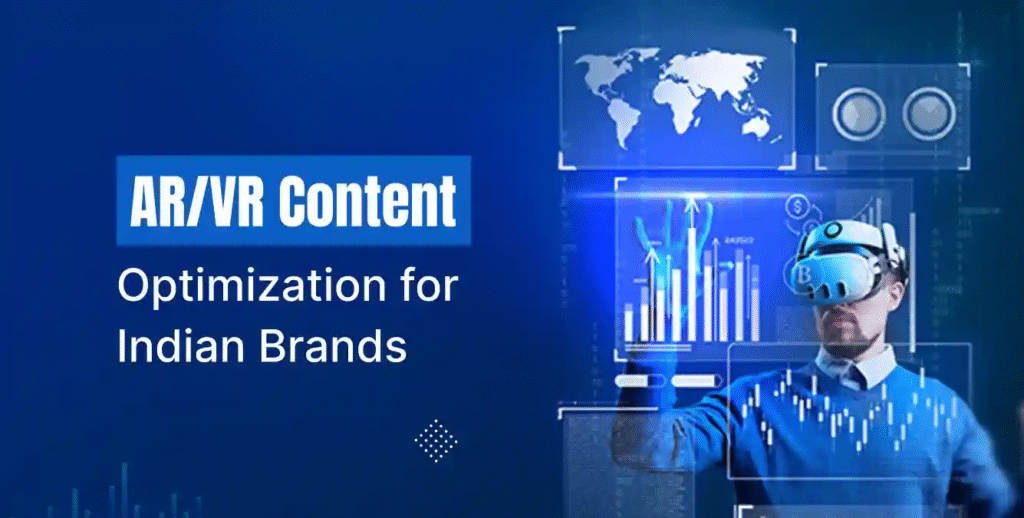
Virtual reality and augmented reality technologies are growing beyond gaming and entertainment. In 2026, these technologies are being used in education, healthcare, real estate, retail, and workplace training.
Virtual reality creates immersive digital environments, while augmented reality adds digital elements to the real world. Businesses are using these tools to improve customer engagement and create interactive experiences.
Retail brands allow customers to virtually try products before purchasing. Real estate companies offer virtual property tours. Educational institutions use VR simulations for training and learning experiences.
The development of more affordable devices and improved software is making these technologies accessible to a wider audience. As adoption increases, VR and AR are expected to play a major role in digital communication and online experiences.
Sustainable Technology and Green Innovation
Sustainability is becoming a major focus in the technology industry. In 2026, companies are investing in green technology solutions to reduce environmental impact and improve energy efficiency.
Tech companies are designing energy-efficient data centers, using renewable energy, and developing sustainable manufacturing processes. Electric vehicles, smart energy systems, and eco-friendly packaging are becoming more common.
Consumers are also paying closer attention to environmental responsibility when choosing products and services. Businesses that prioritize sustainability are gaining stronger customer trust and improving their brand reputation.
Green innovation is expected to continue growing as governments and organizations push for cleaner and more sustainable solutions worldwide.
The Future of Work and Digital Collaboration
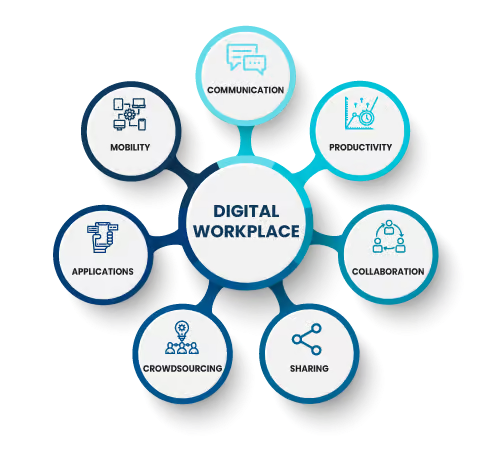
Technology is reshaping the workplace in significant ways. Remote and hybrid work models continue to grow in 2026, supported by digital collaboration tools and cloud-based platforms.
Businesses are using video conferencing, project management software, and virtual workspaces to improve communication and productivity. Employees now have greater flexibility in where and how they work.
AI-powered productivity tools are helping teams automate workflows, organize tasks, and manage projects more efficiently. Companies are also investing in employee digital skills training to prepare for changing workplace demands.
The future workplace is becoming more flexible, technology-driven, and globally connected.
Conclusion
The technology landscape in 2026 is defined by rapid innovation, smarter systems, and deeper digital integration across every industry. Artificial intelligence, automation, cybersecurity, cloud computing, 5G, IoT, and sustainable technology are shaping the future in powerful ways.
Businesses and individuals who embrace these changes will be better prepared for future opportunities and challenges. Technology is no longer just supporting industries; it is driving transformation and creating entirely new ways of living and working.
As innovation continues to accelerate, staying informed about emerging tech trends is essential for long-term success in the digital age.