
Technology is evolving faster than ever before, changing the way people work, communicate, learn, and live. In 2026, innovations in technology and software are influencing nearly every industry, from healthcare and education to finance, entertainment, and business operations. Modern software is no longer just about performing basic digital tasks. It now uses artificial intelligence, automation, cloud computing, and advanced data analysis to improve efficiency and create smarter experiences.
Businesses and individuals are becoming increasingly dependent on digital tools to manage daily activities. At the same time, consumers expect faster performance, better security, and more personalized experiences from the technology they use.
The latest advancements in technology and software are not only improving productivity but also reshaping the future of work and communication. This guide explores some of the most important technology and software innovations you should know in 2026 and how they are impacting modern life.
Artificial Intelligence Becoming More Advanced
Artificial intelligence continues to be one of the biggest drivers of technological innovation. In recent years, AI has moved beyond simple automation and become more intelligent, adaptive, and widely accessible.
Modern AI systems can now generate text, create images, analyze data, write code, and assist with decision-making. Businesses are using AI-powered software to improve customer service, automate repetitive tasks, and analyze large amounts of information more efficiently.
AI assistants have become significantly more capable in 2026. They can schedule meetings, summarize reports, answer customer questions, and even support creative tasks like content writing and design.
One major advancement is the growing use of generative AI tools. These systems can create realistic content, including articles, graphics, music, and videos. This technology is helping businesses save time while improving creativity and productivity.
However, the rise of AI also raises important questions about ethics, job changes, and data privacy. As AI becomes more powerful, responsible development and regulation are becoming increasingly important.
Cloud Computing Continues to Expand
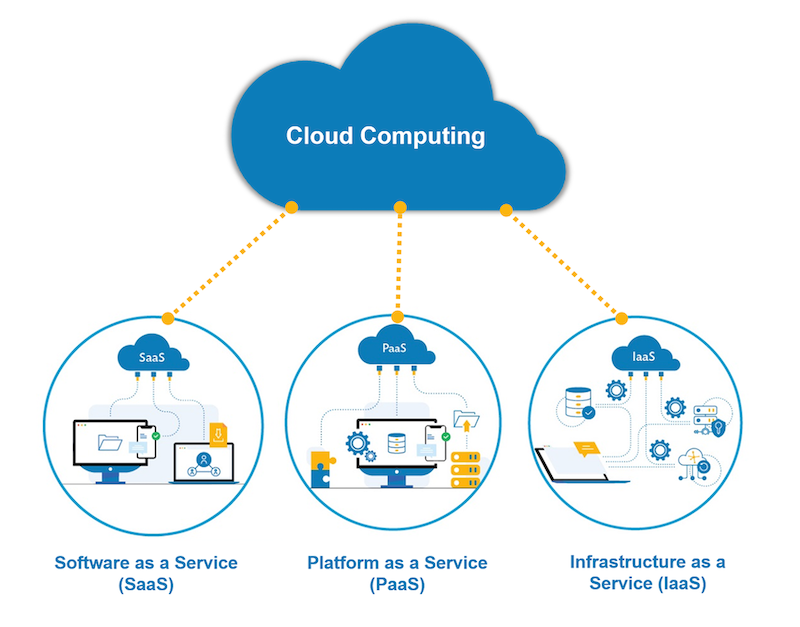
Cloud computing has transformed how businesses and individuals store and access information. Instead of relying entirely on physical devices or local servers, cloud technology allows users to access files, software, and services through the internet.
In 2026, cloud-based software is more powerful and secure than ever before. Businesses are using cloud systems to support remote work, improve collaboration, and reduce infrastructure costs.
Cloud platforms also allow companies to scale operations more efficiently. Small businesses can now access advanced tools and storage systems without investing heavily in expensive hardware.
For individuals, cloud technology provides convenience and flexibility. People can access documents, photos, and applications from multiple devices regardless of location.
Hybrid cloud systems are becoming increasingly popular because they combine the security of private servers with the flexibility of public cloud services.
Cybersecurity Innovations Are More Important Than Ever
As digital technology expands, cybersecurity has become one of the most critical areas of innovation. Data breaches, online fraud, and cyberattacks continue to increase globally, making digital protection essential for businesses and individuals.
Modern cybersecurity software now uses artificial intelligence and machine learning to detect threats faster and more accurately. Instead of relying only on traditional antivirus programs, security systems can now identify unusual behavior patterns and respond to potential attacks automatically.
Multi-factor authentication has also become a standard security practice. This extra layer of protection helps prevent unauthorized access to accounts and sensitive information.
Businesses are investing heavily in advanced encryption systems and zero-trust security models, which assume that threats can exist both inside and outside an organization.
Consumers are also becoming more aware of online privacy. Secure browsing, password management tools, and encrypted communication platforms are growing in popularity.
Automation Is Changing the Workplace
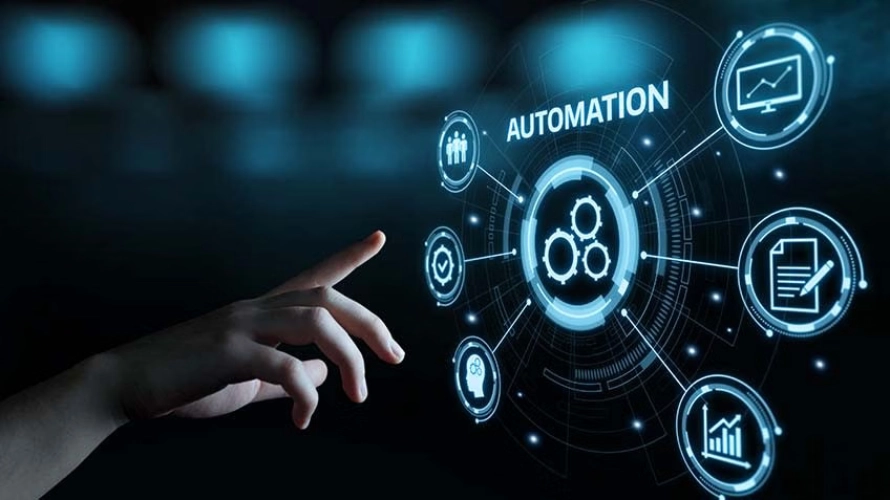
Automation technology is reshaping industries by improving efficiency and reducing repetitive manual work. Modern software can now handle tasks that once required significant human effort.
Businesses use automation tools for customer support, marketing, accounting, scheduling, inventory management, and data processing. This allows employees to focus more on creative and strategic work rather than repetitive tasks.
Robotic process automation, often called RPA, has become increasingly common in large organizations. It enables software systems to perform routine digital tasks automatically with high accuracy.
Automation is also influencing manufacturing, logistics, and transportation industries through robotics and smart systems.
Although automation improves productivity, it is also changing the job market. Workers are increasingly expected to develop digital skills and adapt to technology-driven environments.
The Rise of Smart Software
Software in 2026 is becoming more intelligent and personalized. Modern applications learn from user behavior and adapt based on preferences and usage patterns.
For example, productivity software can now organize tasks automatically, suggest schedules, and improve workflow efficiency. Streaming platforms use recommendation systems to personalize content based on viewing habits.
Customer service platforms use AI chatbots capable of handling complex conversations and providing instant support.
Smart software is also improving accessibility. Voice recognition, language translation, and assistive technologies are helping people interact with digital systems more naturally.
The goal of modern software is no longer just functionality. It is about creating seamless and intuitive user experiences.
Remote Work Technology Is Evolving
Remote and hybrid work models continue to influence software development. Companies now rely heavily on collaboration tools that support communication and teamwork across different locations.
Video conferencing platforms have improved significantly, offering better audio, video quality, and AI-powered features such as live transcription and automated meeting summaries.
Project management software helps teams organize tasks, track progress, and collaborate efficiently from anywhere in the world.
Virtual workspaces and cloud collaboration tools are making remote work more productive and accessible.
As businesses continue adopting flexible work environments, software designed for communication and productivity will remain highly important.
Advances in Mobile Technology
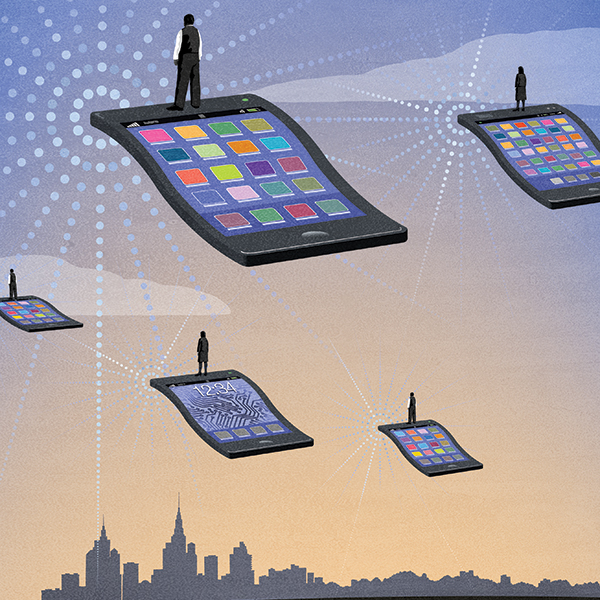
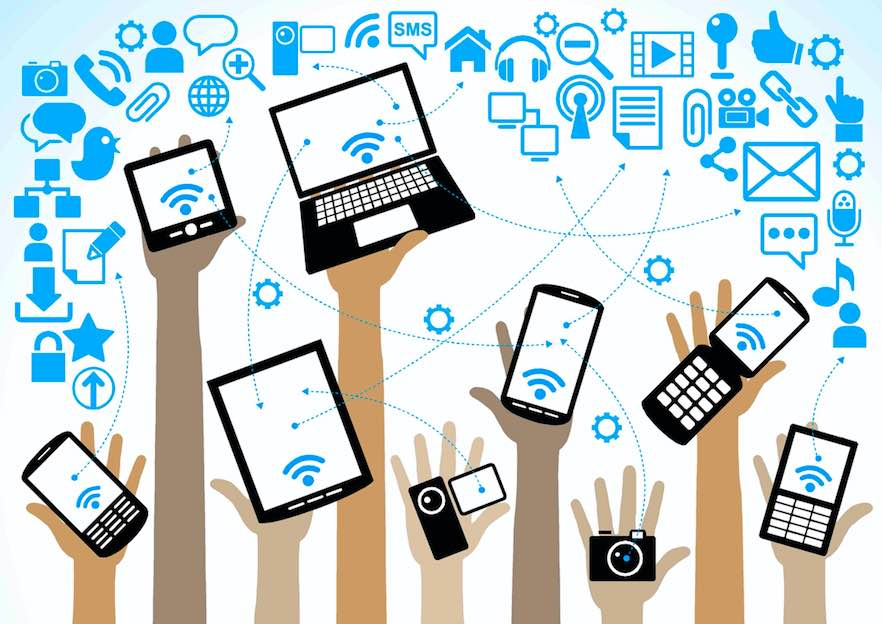
Smartphones remain central to modern digital life, and mobile software continues evolving rapidly.
Apps are becoming more efficient, secure, and personalized. Mobile payment systems, digital wallets, and contactless transactions are now standard in many countries.
5G technology has significantly improved mobile internet speed and connectivity. Faster networks allow smoother streaming, cloud gaming, and real-time communication.
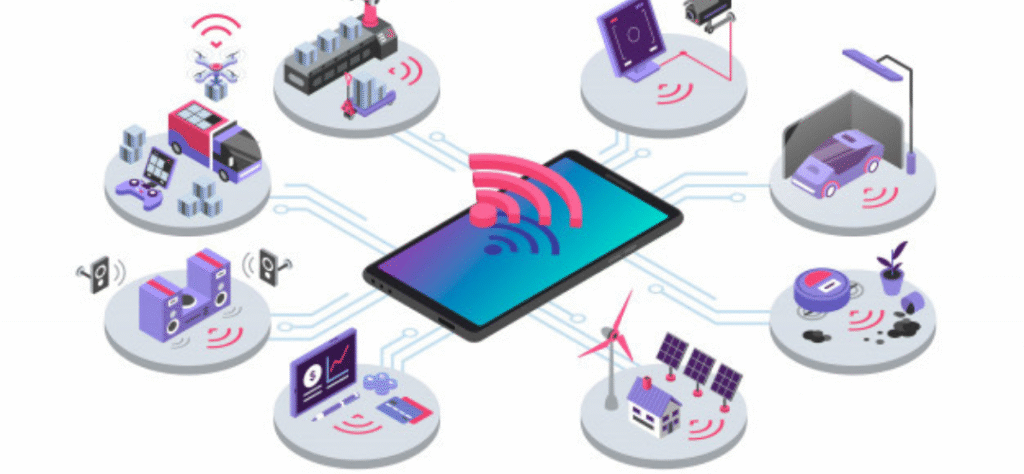
Mobile devices are also becoming more integrated with other technologies such as smart homes, wearables, and connected vehicles.
App developers are increasingly focusing on privacy, battery optimization, and user-friendly design to improve overall mobile experiences.
Virtual Reality and Augmented Reality
Virtual reality and augmented reality technologies are growing beyond gaming and entertainment. Businesses, educators, and healthcare providers are now using immersive technology for training, learning, and communication.
Virtual reality creates fully digital environments, while augmented reality adds digital elements to the real world.
In education, VR simulations allow students to experience interactive learning environments. In healthcare, surgeons use AR tools for precision guidance during medical procedures.
Retail businesses are also adopting AR technology to allow customers to virtually try products before purchasing them.
As hardware becomes more affordable and software improves, immersive technologies are expected to become more common in everyday life.
Green Technology and Sustainable Software
Sustainability is becoming a major focus in the technology industry. Companies are increasingly developing energy-efficient software and environmentally friendly hardware solutions.
Data centers are reducing energy consumption through more efficient cooling systems and renewable energy sources.
Software developers are optimizing applications to use fewer resources and reduce environmental impact.
Consumers are also paying more attention to sustainable technology practices, including device recycling, longer product lifespans, and eco-friendly manufacturing.
The future of technology is not only about innovation but also about creating systems that are environmentally responsible.
Low-Code and No-Code Development
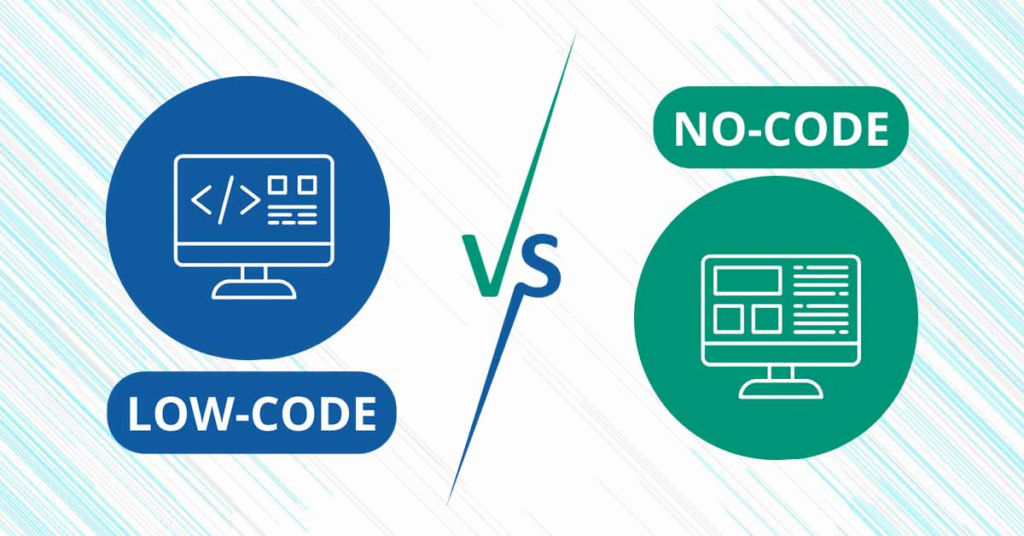
One of the most important software trends in 2026 is the rise of low-code and no-code platforms. These tools allow people to create websites, applications, and automation systems without advanced programming knowledge.
Businesses can now build internal tools and digital solutions faster than ever before.
This innovation is making software development more accessible to non-technical users and reducing the time required to launch digital products.
Low-code platforms are especially useful for startups and small businesses that need affordable and flexible solutions.
The Future of Technology and Software
The future of technology and software will likely become even more connected, intelligent, and automated.
Artificial intelligence will continue improving decision-making and personalization. Quantum computing may eventually solve problems beyond the capabilities of current computers. Smart devices will become more integrated into everyday environments.
At the same time, ethical concerns surrounding privacy, digital dependence, and AI regulation will continue shaping technological development.
People are no longer impressed by innovation alone. They expect technology to provide real value, improve efficiency, and simplify life in meaningful ways.
Conclusion
Technology and software innovations in 2026 are transforming nearly every aspect of modern life. From artificial intelligence and cloud computing to cybersecurity, automation, and smart applications, digital advancements continue to reshape industries and daily experiences.
The latest innovations are focused not only on speed and performance but also on personalization, convenience, security, and sustainability.
As technology continues evolving, adaptability and digital literacy are becoming essential skills for individuals and businesses alike. Understanding these innovations helps people stay informed, competitive, and prepared for the future.
The digital world will continue changing rapidly, but one thing remains certain: technology and software will remain at the center of modern progress for years to come.
F&Q

How to Get a Personal Loan in India
few years ago, I found myself in a position where I needed a significant amount…
Profitable Business Ideas for Students to Earn Money in 2026
I still remember sitting on my twin-sized college bed during my second semester, opening my…

How to Invest in Fixed Deposits in 2026
When I first started earning and saving money, the investment world felt completely overwhelming to…
The Best Stock Market Investment Tips for Beginners in 2026
When I first stepped into the stock market back in 2021, I was convinced I’d…
The Best Apps for Exam Preparation in India
When I first started preparing for competitive exams in India, my study table was a…

How to Start an E-commerce Business in India in 2026
When I took the plunge into online selling in India back in early 2024, my…