
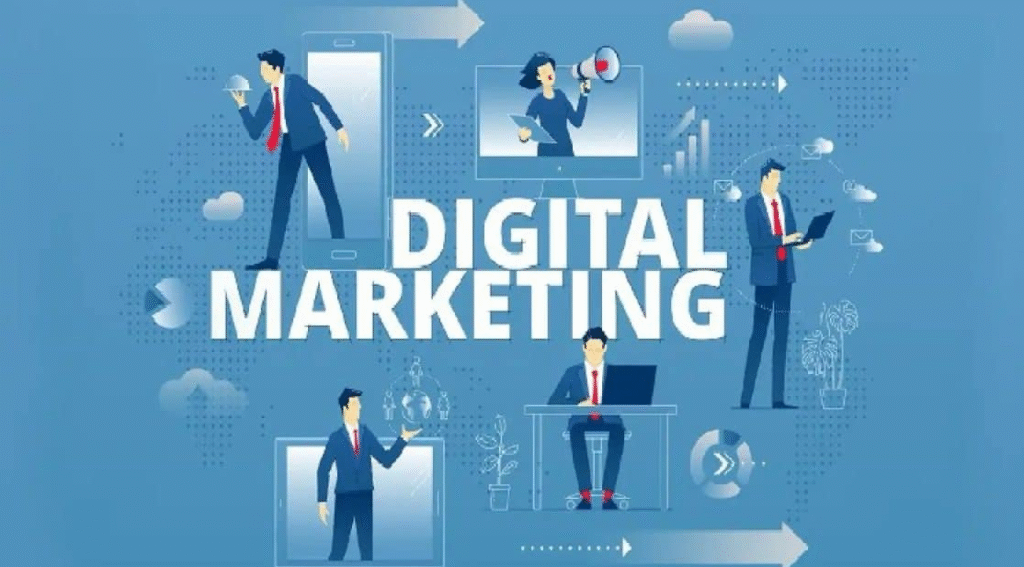
Digital marketing has completely changed the way businesses operate and grow. In the past, companies relied heavily on traditional methods such as newspaper ads, television commercials, and billboards. While these methods are still used today, they no longer have the same level of impact as digital marketing. The rise of the internet, smartphones, and social media has created new opportunities for businesses to reach their audience more effectively and at a lower cost.
Today, digital marketing is not just an option for businesses. It has become a necessity. Whether it is a small startup or a large company, every business can benefit from using digital strategies to improve visibility, attract customers, and increase revenue. The real power of digital marketing lies in its ability to connect businesses with the right audience at the right time.
Understanding Digital Marketing
Digital marketing refers to all marketing activities that use the internet or electronic devices. It includes various strategies such as search engine optimization, social media marketing, email marketing, content marketing, and paid advertising.
Unlike traditional marketing, digital marketing allows businesses to interact directly with their customers. It also provides measurable results, which means businesses can track how well their campaigns are performing and make improvements accordingly.
This level of control and insight is one of the main reasons why digital marketing is transforming business growth across industries.
Expanding Business Reach Globally
One of the biggest advantages of digital marketing is the ability to reach a global audience. In the past, businesses were limited to local or regional markets. Now, with the help of online platforms, even a small business can attract customers from different parts of the world.
A well-designed website, combined with effective search engine optimization, can bring organic traffic from multiple countries. Social media platforms also allow businesses to promote their products and services to a wide audience without geographical limitations.
This global reach gives businesses the opportunity to grow faster and expand into new markets without the need for physical presence.
Cost-Effective Marketing Strategy
Traditional advertising methods often require large budgets. Television ads, print media, and billboards can be expensive and are not always suitable for small businesses.
Digital marketing, on the other hand, is much more cost-effective. Even with a small budget, businesses can run targeted campaigns and reach their ideal customers. Platforms like social media and search engines allow advertisers to set specific budgets and control their spending.
This affordability makes digital marketing accessible to businesses of all sizes. Startups and small businesses can compete with larger companies by using smart digital strategies instead of relying on big advertising budgets.
Targeting the Right Audience

One of the most powerful features of digital marketing is audience targeting. Instead of showing ads to everyone, businesses can focus on people who are more likely to be interested in their products or services.
For example, social media platforms allow advertisers to target users based on age, location, interests, and behavior. Search engine ads target users based on the keywords they search for.
Building Strong Brand Awareness
Brand awareness is essential for business growth. Customers are more likely to trust and buy from brands they recognize. Digital marketing helps businesses build strong brand visibility across multiple platforms.
By consistently sharing valuable content, engaging with audiences, and maintaining an active online presence, businesses can create a strong brand identity.
Social media plays a major role in this process. Regular posts, stories, and interactions help businesses stay connected with their audience. Over time, this builds trust and makes the brand more recognizable.
Improving Customer Engagement
Digital marketing allows businesses to communicate directly with their customers. This interaction helps build stronger relationships and improves customer satisfaction.
Through social media comments, emails, and live chats, businesses can respond to customer questions and feedback in real time. This level of engagement was not possible with traditional marketing methods.
Engaged customers are more likely to become loyal customers. They are also more likely to recommend the business to others, which helps increase organic growth.
Search Engine Optimization and Visibility
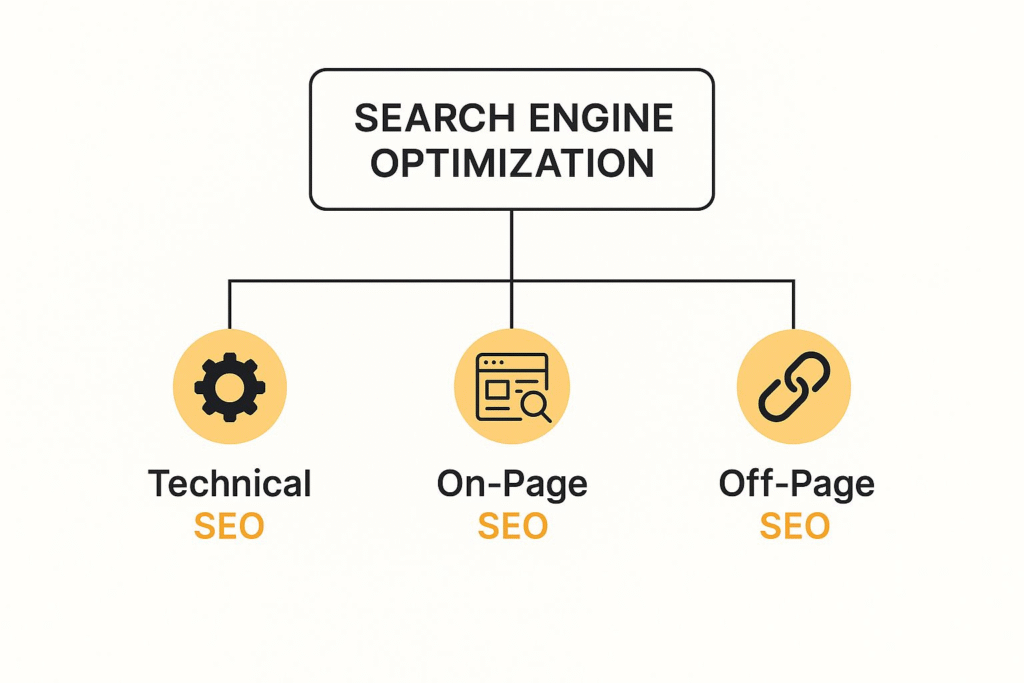
Search engine optimization plays a crucial role in digital marketing. It helps businesses improve their visibility on search engines like Google. When a website ranks higher in search results, it receives more traffic.
SEO involves optimizing website content, using relevant keywords, improving site speed, and building backlinks. A well-optimized website can attract consistent organic traffic without the need for paid advertising.
Social Media Marketing Impact
Social media platforms have become powerful marketing tools for businesses. Platforms like Facebook, Instagram, LinkedIn, and others allow businesses to reach millions of users.
Social media marketing helps businesses promote products, share updates, and connect with their audience. It also allows for creative content such as videos, images, and stories that engage users more effectively.
Viral content on social media can bring massive exposure to a business in a short time. This makes social media an essential part of any digital marketing strategy.
Data-Driven Decision Making
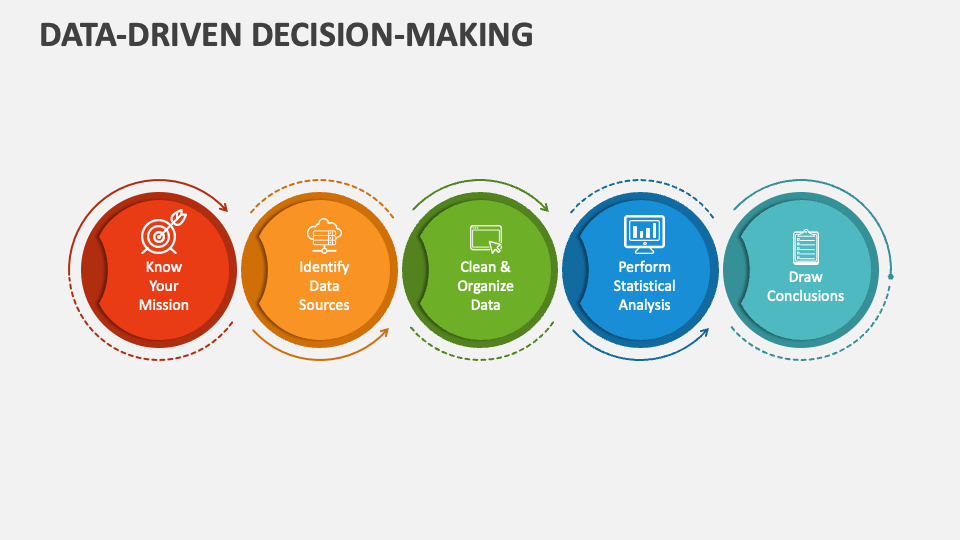
Another important advantage of digital marketing is access to data and analytics. Businesses can track user behavior, campaign performance, and customer interactions in real time.
This data helps businesses understand what is working and what needs improvement. Instead of guessing, companies can make informed decisions based on actual results.
For example, if a marketing campaign is not performing well, it can be adjusted immediately to improve results. This flexibility is a major advantage over traditional marketing.
Increasing Conversion Rates
The main goal of any marketing strategy is to convert potential customers into actual buyers. Digital marketing helps improve conversion rates through targeted messaging, personalized content, and optimized landing pages.
When customers see relevant and engaging content, they are more likely to take action. Whether it is making a purchase, signing up for a newsletter, or contacting the business, digital marketing guides users through the entire buying journey.
Building Long-Term Customer Relationships
Digital marketing is not just about attracting new customers. It is also about retaining existing ones. Businesses can use email marketing, loyalty programs, and personalized offers to maintain long-term relationships with customers.
Satisfied customers are more valuable because they tend to make repeat purchases and provide positive reviews. This helps build trust and strengthens the overall brand reputation.
F&Q
How to Get a Personal Loan in India
few years ago, I found myself in a position where I needed a significant amount…

Profitable Business Ideas for Students to Earn Money in 2026
I still remember sitting on my twin-sized college bed during my second semester, opening my…

How to Invest in Fixed Deposits in 2026
When I first started earning and saving money, the investment world felt completely overwhelming to…

The Best Stock Market Investment Tips for Beginners in 2026
When I first stepped into the stock market back in 2021, I was convinced I’d…

The Best Apps for Exam Preparation in India
When I first started preparing for competitive exams in India, my study table was a…

How to Start an E-commerce Business in India in 2026
When I took the plunge into online selling in India back in early 2024, my…