

Few business figures have attracted as much attention for their wealth, innovation, and influence as Elon Musk. Over the years, his financial growth has become one of the most discussed success stories in modern business. From launching startup companies to leading multiple industries simultaneously, Musk’s journey from entrepreneur to billionaire has transformed him into one of the wealthiest individuals in history.
What makes Musk’s wealth story unique is that it was not built through a single company or investment. Instead, his net worth grew through a combination of technology, innovation, risk-taking, and ownership stakes in multiple successful businesses.
Understanding how Elon Musk built his fortune provides valuable insight into entrepreneurship, wealth creation, and long-term business growth. His financial journey shows how ownership, innovation, and calculated risk can create extraordinary results.
Early Life and Entrepreneurial Mindset
Before becoming famous for electric cars and space exploration, Elon Musk showed an interest in business and technology at a young age. Growing up, he developed strong interests in computers, programming, and entrepreneurship.
His first major entrepreneurial steps came after moving to North America and eventually studying business and technology-related subjects. Rather than following traditional career paths, Musk focused on building companies.
This early willingness to take risks became one of the defining characteristics of his financial growth.
Many successful entrepreneurs start with strong ideas, but Musk consistently focused on industries that others considered difficult or impossible.
The First Major Financial Breakthrough
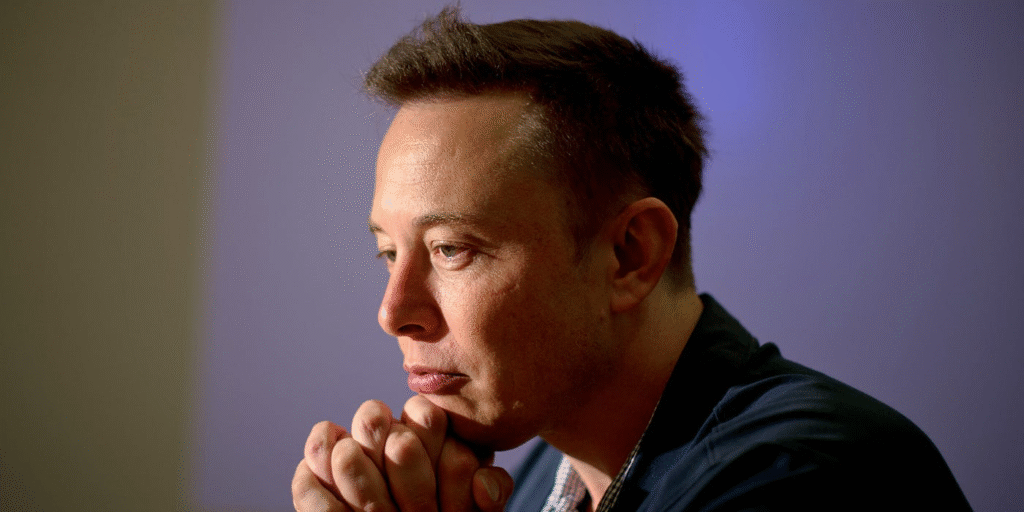
Musk’s first meaningful financial success came through startup ventures during the early internet era.
One of his early companies eventually led to a significant business sale that provided the capital needed for future ventures. Instead of using this financial success for personal comfort, Musk continued investing heavily into new businesses.
This approach became a pattern throughout his career.
Rather than protecting wealth conservatively, he repeatedly used existing financial gains to fund larger opportunities.
These early exits created the foundation for future billion-dollar ventures.
Building Wealth Through Online Payments
One of the most important moments in Musk’s financial journey came through his involvement in digital payment technology.
The growth and eventual success of online financial platforms created substantial wealth for Musk and gave him access to much larger investment opportunities.
Many entrepreneurs stop after achieving financial success once. Musk instead treated this period as a starting point.
The capital generated during this phase allowed him to pursue projects that required significantly larger financial commitments.
Without these earlier successes, many of his later companies may never have existed.
Taking Massive Risks with New Ventures
After achieving financial success, Musk invested heavily into industries that many considered extremely risky.
He focused on areas including electric vehicles, renewable energy, space technology, and advanced manufacturing.
At several points, these decisions created enormous financial pressure.
There were periods when multiple businesses faced uncertainty simultaneously, creating major risks for his personal wealth.
However, these high-risk investments eventually became some of the largest contributors to his growing net worth.
The willingness to accept uncertainty became one of the biggest factors behind his financial growth.
The Rise of Electric Vehicle Wealth

A large portion of Musk’s wealth growth came from the success of electric vehicle manufacturing.
Initially, many investors doubted whether electric cars could compete with traditional automobile companies.
As consumer demand increased and production expanded, company valuations rose dramatically.
Because Musk owned significant equity rather than simply collecting salaries, increasing company value directly increased his personal net worth.
This illustrates one of the most important principles behind billionaire wealth creation.
Ownership often creates far greater financial growth than salary income alone.
Space Exploration and Expanding Business Value
While many entrepreneurs focus on a single industry, Musk continued expanding into additional sectors.
Private space technology became another major area of investment and innovation.
Although building aerospace businesses requires enormous capital and long development cycles, successful progress increased investor confidence and business valuation.
Multiple successful companies operating simultaneously created diversified sources of wealth growth.
Instead of depending entirely on one industry, Musk built financial exposure across several sectors.
This broader business portfolio contributed significantly to long-term wealth expansion.
Ownership and Equity Created Billionaire Status
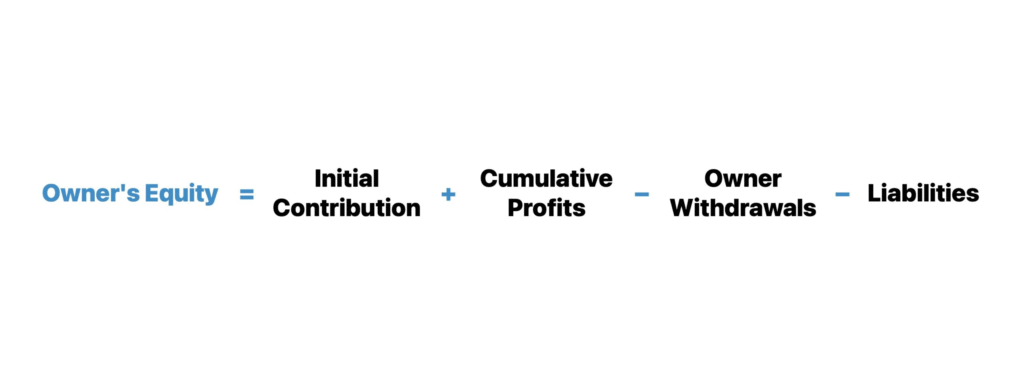
One of the biggest reasons Musk’s net worth grew so dramatically is ownership.
Many people assume billionaires hold most of their wealth as cash. In reality, large portions of billionaire wealth often exist through company ownership.
Musk’s financial growth largely came from stock ownership and equity stakes.
As company valuations increased, his ownership positions became more valuable.
This created periods where his net worth changed dramatically within relatively short timeframes.
Because stock prices fluctuate, billionaire rankings also frequently change.
Net worth growth often reflects ownership value rather than liquid cash.
Innovation as a Wealth Driver
Innovation played a central role throughout Musk’s financial journey.
Rather than entering highly competitive industries with existing business models, he focused on creating alternatives.
Electric transportation, reusable rockets, renewable energy systems, and advanced technology projects attracted investor interest because they represented potential future growth.
Investors frequently reward businesses they believe can transform industries.
As market confidence increased, company valuations increased as well.
This relationship between innovation and valuation became a major driver of Musk’s wealth.
Public Attention and Brand Influence

Personal branding also contributed indirectly to Musk’s financial growth.
Public visibility, media attention, interviews, and social media presence helped create significant awareness around his companies.
Strong personal branding can influence consumer interest, investor confidence, and market attention.
Although business performance remains the most important factor, public influence can affect financial outcomes.
Musk became one of the most recognizable business figures globally, increasing attention toward his ventures.
This visibility contributed to his reputation as both entrepreneur and business leader.
Challenges and Financial Volatility
Musk’s wealth journey was not a continuous upward path.
Business challenges, market corrections, production problems, economic conditions, and investor sentiment frequently affected company valuations.
There were periods when his net worth changed dramatically within months.
This highlights an important reality about billionaire wealth.
Large net worth numbers often fluctuate because company ownership values constantly change.
Financial growth at this scale involves significant volatility rather than guaranteed stability.
Despite these fluctuations, long-term business growth continued supporting wealth expansion.
Lessons from Elon Musk’s Wealth Growth
There are several important lessons people often take from Musk’s financial journey.
First, ownership matters. Building equity often creates greater long-term financial growth than depending solely on income.
Second, calculated risk can create opportunities that conservative strategies may not provide.
Third, long-term thinking often produces larger results than short-term decision-making.
Finally, persistence matters.
Many of Musk’s companies faced criticism, financial pressure, and uncertainty before achieving major success.
His journey demonstrates how sustained commitment and long-term vision can influence financial outcomes.
Conclusion
Elon Musk’s net worth growth reflects more than simply becoming wealthy. It represents decades of entrepreneurship, risk-taking, innovation, and business ownership.
From early startup ventures to leading multiple major industries, his financial journey demonstrates how ownership stakes and long-term business building can create extraordinary wealth.
Although very few people will replicate billionaire-level success, many principles behind his financial growth remain relevant.
Building valuable skills, investing in opportunities, thinking long term, and focusing on ownership can influence financial success at any level.
Elon Musk’s rise from entrepreneur to billionaire shows that wealth creation often comes from repeatedly building, investing, and taking calculated risks over long periods rather than seeking quick results.
FAQ’s

How to Get a Personal Loan in India
few years ago, I found myself in a position where I needed a significant amount…

Profitable Business Ideas for Students to Earn Money in 2026
I still remember sitting on my twin-sized college bed during my second semester, opening my…

How to Invest in Fixed Deposits in 2026
When I first started earning and saving money, the investment world felt completely overwhelming to…

The Best Stock Market Investment Tips for Beginners in 2026
When I first stepped into the stock market back in 2021, I was convinced I’d…

The Best Apps for Exam Preparation in India
When I first started preparing for competitive exams in India, my study table was a…

How to Start an E-commerce Business in India in 2026
When I took the plunge into online selling in India back in early 2024, my…