
Running a successful business today requires more than offering quality products or services. Markets move faster, customer expectations continue to grow, and competition exists in nearly every industry. Businesses that want to remain competitive must focus not only on growth but also on productivity and performance.
Productivity is no longer simply about working harder or extending working hours. Modern businesses understand that efficiency, planning, technology, workforce management, and smart decision-making create stronger results. Companies that develop effective systems often outperform competitors because they maximize resources while minimizing wasted effort.
Whether managing a small business, operating a growing company, or leading large projects, modern business strategies play an important role in improving daily operations and achieving long-term goals.
Understanding Productivity in Modern Business
Productivity means producing better results while using resources effectively. Many organizations mistakenly focus entirely on increasing workload rather than improving processes. However, sustainable productivity comes from optimizing workflows rather than simply increasing effort.
Modern businesses recognize productivity as a combination of several factors including employee performance, resource management, technology integration, communication systems, and operational efficiency.
When productivity improves, businesses often experience multiple benefits including faster project completion, reduced operational costs, stronger customer satisfaction, and increased profitability.
Understanding what slows down productivity is equally important. Poor communication, outdated systems, unclear responsibilities, and inefficient workflows often create obstacles that reduce overall performance.
Building Efficient Work Processes

Strong businesses rely on clear and organized processes. Without proper systems, even talented teams may struggle to maintain consistent performance.
Creating efficient workflows begins with evaluating existing processes. Businesses should identify repetitive tasks, bottlenecks, unnecessary approvals, and activities that consume time without adding value.
Breaking large projects into smaller processes often improves management and accountability. When responsibilities are clearly defined, employees spend less time seeking instructions and more time completing important tasks.
Standardized procedures also create consistency. Businesses that document workflows reduce confusion and improve overall efficiency because employees understand expectations more clearly.
Process improvement should remain continuous rather than becoming a one-time activity.
Investing in Smart Technology Solutions
Technology has transformed productivity across nearly every industry. Modern businesses increasingly depend on digital tools to simplify operations and improve efficiency.
Automation eliminates repetitive tasks that consume valuable time. Scheduling systems, project management platforms, inventory tracking tools, communication software, and digital documentation systems allow teams to focus on higher-value activities.
Cloud-based systems have also changed how organizations operate. Teams can collaborate from different locations while maintaining access to important information.
However, technology should solve problems rather than create complexity. Businesses sometimes invest in numerous systems without considering usability or employee adoption.
Choosing practical tools that match business requirements often produces better results than adopting every new trend.
Improving Team Communication

Communication directly affects productivity. Miscommunication creates delays, duplicate work, confusion, and frustration.
Modern businesses focus on creating communication systems that are simple, clear, and consistent.
Regular meetings help align teams, but excessive meetings often reduce productivity. Businesses should prioritize focused discussions with clear objectives rather than lengthy conversations without purpose.
Digital communication platforms have made collaboration easier, but organizations must avoid overwhelming employees with excessive notifications and messages.
Clear communication expectations improve efficiency. Employees should understand how information is shared, when updates are required, and who makes decisions.
Strong communication reduces unnecessary delays and improves overall performance.
Prioritizing Employee Development
Employees remain one of the most valuable business assets. Productivity improves when employees possess the skills, knowledge, and confidence needed to perform effectively.
Training programs help workers adapt to changing technologies, processes, and industry requirements.
Professional development also improves employee engagement. Workers who feel supported often demonstrate stronger motivation and greater commitment.
Modern businesses increasingly focus on continuous learning rather than occasional training sessions.
Encouraging knowledge sharing within teams creates additional benefits. Experienced employees often provide valuable insights that improve performance across entire departments.
Investing in people creates long-term productivity improvements that technology alone cannot achieve.
Creating Data-Driven Decision Making
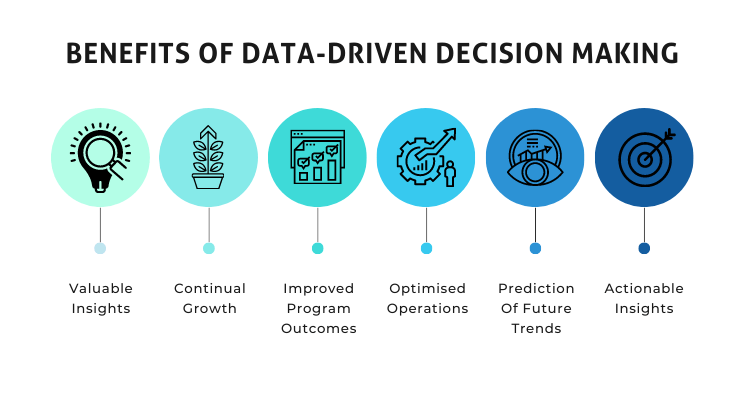
Business decisions based solely on assumptions often create unnecessary risks.
Modern organizations increasingly rely on data to improve productivity and performance.
Performance metrics help businesses understand what works and what requires improvement. Sales performance, project completion times, customer feedback, operational costs, and employee productivity measurements provide valuable insights.
Data allows businesses to identify inefficiencies before they become major problems.
However, collecting information alone is not enough. Businesses must focus on meaningful metrics rather than tracking excessive amounts of data.
Useful data should support better decisions rather than create additional complexity.
Managing Resources More Effectively
Resource management plays a significant role in business performance.
Resources include employees, materials, equipment, finances, and time. Poor resource allocation often creates delays, increased costs, and lower productivity.
Modern businesses focus on planning resources carefully to avoid shortages or unnecessary excess.
Forecasting future requirements improves preparation and reduces operational disruptions.
Businesses that manage inventory, equipment, staffing, and budgets efficiently often maintain stronger performance during periods of growth or uncertainty.
Resource management becomes especially important for businesses operating large projects where multiple moving parts require coordination.
Strengthening Project Management Practices
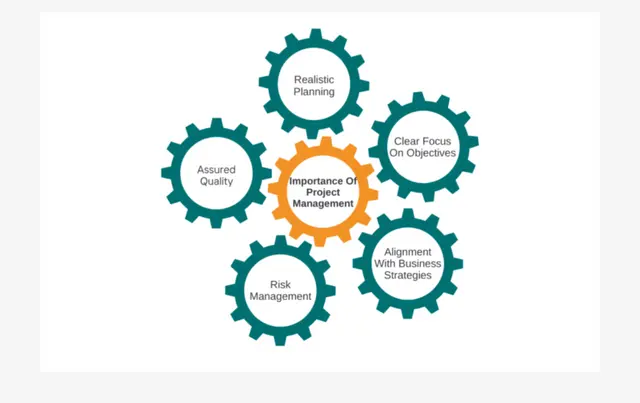
Project management affects nearly every business regardless of industry.
Poor project planning often leads to missed deadlines, cost overruns, and reduced productivity.
Modern project management emphasizes clear goals, defined responsibilities, realistic timelines, and regular progress tracking.
Breaking projects into smaller milestones allows teams to identify problems earlier.
Project visibility also improves accountability because employees understand expectations and deadlines more clearly.
Successful businesses understand that project management is not simply about completing tasks but ensuring projects create measurable value.
Building a Culture of Continuous Improvement
High-performing organizations rarely become successful through one major change.
Instead, they continuously improve processes, systems, and strategies over time.
A culture of improvement encourages employees to identify inefficiencies and suggest solutions.
Small improvements often create significant results when implemented consistently.
Businesses should create environments where experimentation and learning are encouraged.
Continuous improvement also increases adaptability. Companies that regularly evaluate performance can respond faster to market changes and customer expectations.
Organizations that stop improving often struggle to remain competitive.
Balancing Productivity with Employee Well-Being
Productivity should not come at the expense of employee well-being.
Excessive workloads, unrealistic expectations, and constant pressure often reduce performance rather than improve it.
Modern businesses increasingly recognize that sustainable productivity requires healthy working environments.
Flexible work arrangements, realistic deadlines, proper workload distribution, and supportive leadership contribute to stronger long-term performance.
Employees who experience less burnout often demonstrate higher engagement and improved efficiency.
Productivity strategies become more effective when businesses focus on both results and people.
Adapting to Changing Business Environments
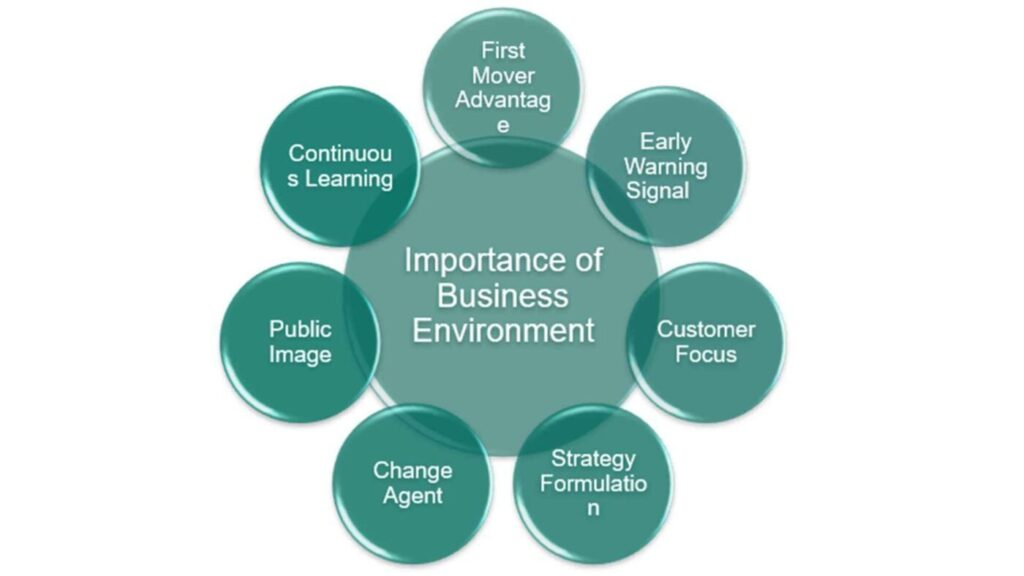
Business environments continue changing rapidly.
Customer expectations evolve, technologies develop, markets shift, and competition increases.
Modern businesses must remain flexible.
Adaptability allows organizations to respond quickly when challenges or opportunities appear.
Businesses that regularly evaluate strategies often identify emerging trends faster.
Flexibility does not mean constantly changing direction. Instead, it means creating systems capable of adjusting when necessary.
Organizations that adapt effectively often maintain stronger performance during uncertain conditions.
Measuring Performance Successfully
Performance measurement helps businesses understand whether productivity strategies actually work.
Clear objectives provide direction and create measurable expectations.
Businesses should regularly evaluate operational performance, customer satisfaction, employee engagement, financial results, and project outcomes.
Reviewing performance creates opportunities for improvement.
Successful organizations avoid measuring performance only during problems.
Regular monitoring supports better planning and stronger decision-making.
Consistent measurement turns productivity improvements into long-term business advantages.
FAQ’s
1. What are modern business strategies?
They are methods businesses use to improve efficiency, growth, and performance.
2. Why is productivity important in business?
Higher productivity helps reduce costs and improve overall results.
3. How can technology improve business performance?
Technology automates tasks, improves communication, and increases efficiency.
4. What role does employee development play in productivity?
Skilled employees work more efficiently and contribute to better performance.
5. How can businesses improve productivity long-term?
By improving processes, using data, and continuously adapting to change.
How to Get a Personal Loan in India
few years ago, I found myself in a position where I needed a significant amount…

Profitable Business Ideas for Students to Earn Money in 2026
I still remember sitting on my twin-sized college bed during my second semester, opening my…

How to Invest in Fixed Deposits in 2026
When I first started earning and saving money, the investment world felt completely overwhelming to…

The Best Stock Market Investment Tips for Beginners in 2026
When I first stepped into the stock market back in 2021, I was convinced I’d…

The Best Apps for Exam Preparation in India
When I first started preparing for competitive exams in India, my study table was a…

How to Start an E-commerce Business in India in 2026
When I took the plunge into online selling in India back in early 2024, my…