

Digital transformation has become one of the most important priorities for businesses across industries. Companies of all sizes are adopting new technologies, changing traditional workflows, and using software solutions to remain competitive in rapidly changing markets. However, despite its growing popularity, many people still believe digital transformation is a complex process reserved only for large corporations with massive budgets.
The reality is much different. Digital transformation does not always require expensive systems, complicated technology stacks, or complete organizational restructuring. In many cases, successful transformation begins with simple decisions, practical software adoption, and a clear understanding of business goals.
Organizations that approach transformation strategically often experience better efficiency, improved customer experiences, faster decision-making, and stronger long-term growth. The key is keeping the process simple and focusing on technology that solves real problems rather than adopting tools simply because they are trending.
Understanding What Digital Transformation Really Means
Digital transformation is more than moving files to the cloud or using modern software. It involves changing how organizations operate by integrating technology into everyday processes. This change affects workflows, communication, customer interactions, and decision-making systems.
Many businesses make the mistake of viewing transformation as a technology project when it is actually a business strategy supported by technology. Software and digital tools are important, but they only become valuable when they help solve operational challenges.
Successful digital transformation usually begins by identifying areas where current systems create delays, increase costs, or reduce productivity. Once these areas are identified, technology becomes a solution rather than simply another investment.
Why Businesses Are Prioritizing Digital Transformation
Modern customers expect speed, convenience, and personalized experiences. Businesses that rely heavily on manual processes often struggle to meet these expectations. Digital transformation helps organizations respond faster while improving efficiency.
Remote work, online collaboration, automation, and cloud-based systems have also changed workplace expectations. Companies now require flexible systems that allow teams to work efficiently regardless of location.
Competition is another major factor. Businesses that fail to modernize often find themselves struggling against competitors that can deliver products faster, analyze data better, and adapt more quickly to changing markets.
Digital transformation is no longer simply about innovation. For many businesses, it has become essential for survival.
Building a Strong Digital Foundation

Before implementing advanced technology, organizations must establish a solid foundation. Many transformation projects fail because companies adopt complex systems without preparing existing processes.
A strong digital foundation begins with evaluating current operations. Organizations should understand which processes consume the most time, where communication gaps exist, and which tasks create unnecessary manual work.
Once these areas become clear, businesses can begin introducing software solutions that directly address these challenges.
Creating a foundation also involves preparing employees for change. Technology adoption becomes easier when teams understand how new systems improve daily work rather than create additional complexity.
Choosing Software That Solves Real Problems
One of the biggest mistakes businesses make is investing in software without clearly defining the problem they want to solve.
Effective software selection starts with identifying specific business needs. If communication is slow, collaboration tools may provide value. If customer management is difficult, relationship management platforms may become a priority. If repetitive tasks consume resources, automation software may provide immediate improvements.
Organizations often achieve better results when they start small. Introducing one effective system and expanding gradually is usually more successful than attempting complete transformation all at once.
The best software solutions are not always the most expensive. Often, the most valuable tools are those employees can easily learn and consistently use.
Cloud Technology and Flexible Operations
Cloud technology has become one of the biggest drivers of digital transformation because it provides flexibility, accessibility, and scalability.
Traditional systems often require expensive infrastructure and maintenance. Cloud-based solutions allow businesses to access software, store information securely, and collaborate from almost anywhere.
Cloud systems also simplify updates and reduce technical maintenance requirements. Instead of managing physical infrastructure, organizations can focus more attention on operations and growth.
Another major advantage is scalability. Businesses can expand digital systems as they grow rather than investing heavily in infrastructure before it becomes necessary.
This flexibility makes cloud technology especially valuable for organizations seeking practical transformation strategies.
Automation as a Growth Strategy
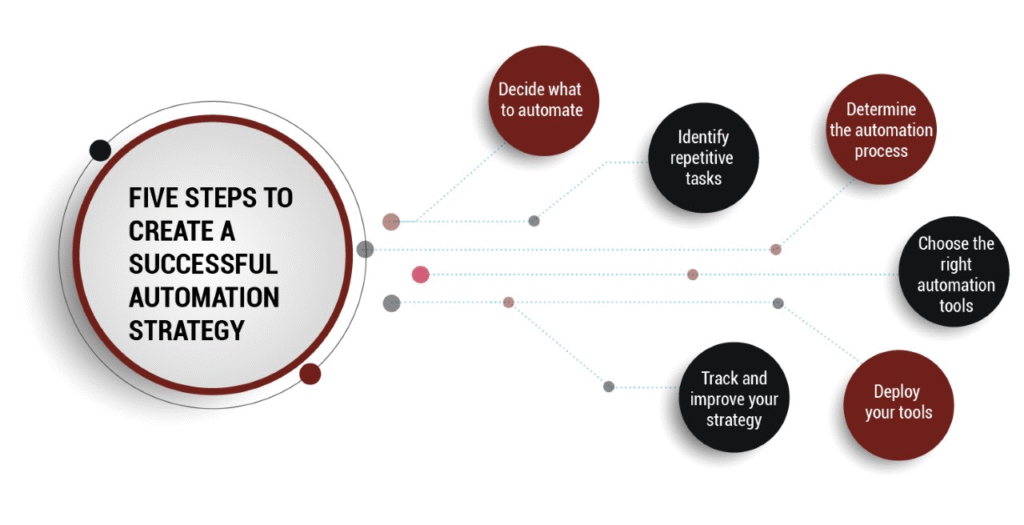
Automation is often misunderstood as replacing human work. In reality, effective automation removes repetitive tasks so employees can focus on activities requiring creativity, problem-solving, and decision-making.
Many organizations waste significant time on manual processes such as data entry, reporting, scheduling, and document management. Automating these activities can improve productivity while reducing human error.
Small automation improvements often create large operational benefits. Businesses do not need advanced artificial intelligence systems to experience meaningful improvements.
Simple workflow automation can reduce delays, improve consistency, and create more efficient operations without major disruption.
The goal should not be automating everything. The goal should be automating tasks that provide the highest return in efficiency and accuracy.
Data-Driven Decision Making
Digital transformation becomes more valuable when organizations use data effectively.
Many businesses collect enormous amounts of information but struggle to convert it into actionable insights. Modern software platforms make analyzing performance metrics easier than ever before.
Data helps organizations understand customer behavior, identify operational weaknesses, measure productivity, and predict future opportunities.
However, collecting data alone is not enough. Businesses must determine which metrics actually influence decision-making.
Too much information can create confusion. Focusing on meaningful performance indicators often produces better results than tracking everything possible.
Organizations that build strong data habits often make faster decisions and respond more effectively to changing market conditions.
Improving Customer Experience Through Technology
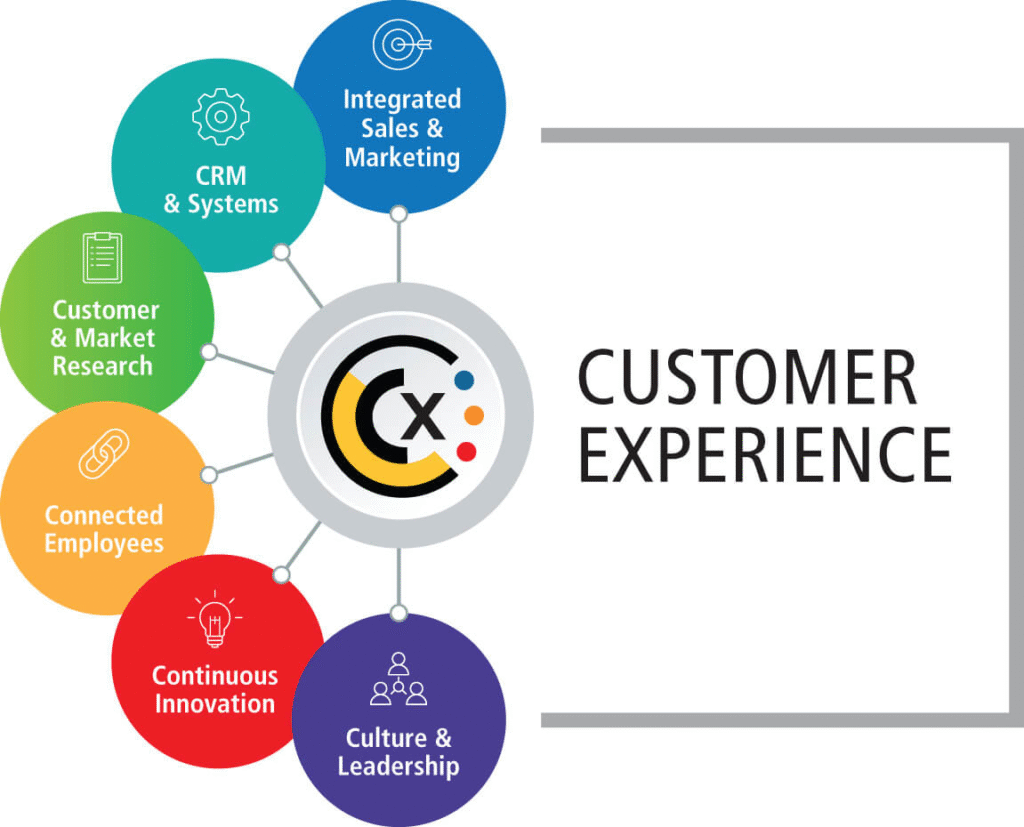
Customer expectations continue to evolve rapidly. Digital transformation often succeeds when technology improves customer interactions rather than simply improving internal operations.
Customers expect fast responses, smooth purchasing experiences, and easy communication channels.
Technology can improve these experiences by simplifying support processes, personalizing interactions, and reducing friction throughout customer journeys.
Software systems that connect customer information across departments often create more consistent experiences because employees can access relevant information quickly.
Improving customer experience does not always require advanced technology. Sometimes small improvements in accessibility, communication, or response times create significant results.
Managing Change During Transformation

Technology implementation alone does not guarantee successful transformation. Organizations must also manage the human side of change.
Employees may resist new systems when they feel uncertain about learning unfamiliar processes or fear disruption.
Communication plays a major role in reducing resistance. Teams should understand why changes are happening and how new systems improve daily work.
Training is equally important. Even excellent software becomes ineffective when employees do not know how to use it properly.
Successful organizations often introduce change gradually while allowing teams time to adapt.
Transformation should feel manageable rather than overwhelming.
Measuring Success and Making Adjustments
Digital transformation is not a one-time project. It is an ongoing process that requires evaluation and refinement.
Organizations should establish clear goals before implementing new systems. These goals may involve reducing costs, improving productivity, increasing customer satisfaction, or accelerating growth.
Measuring results allows businesses to understand whether transformation efforts are producing meaningful improvements.
Some strategies may work immediately while others require adjustments.
Continuous improvement is often more effective than attempting perfect implementation from the beginning.
Organizations that regularly review performance and adapt their approach usually achieve stronger long-term results.
FAQ’s
1. What is digital transformation?
Digital transformation is using technology to improve business processes and operations.
2. Why is digital transformation important?
It helps businesses improve efficiency, reduce costs, and stay competitive.
3. What software is useful for digital transformation?
Cloud tools, automation software, collaboration platforms, and analytics tools.
4. Is digital transformation expensive?
Not always. Many businesses start with small, affordable solutions.
5. How long does digital transformation take?
It depends on business goals, size, and implementation strategy.
How to Get a Personal Loan in India
few years ago, I found myself in a position where I needed a significant amount…

Profitable Business Ideas for Students to Earn Money in 2026
I still remember sitting on my twin-sized college bed during my second semester, opening my…

How to Invest in Fixed Deposits in 2026
When I first started earning and saving money, the investment world felt completely overwhelming to…

The Best Stock Market Investment Tips for Beginners in 2026
When I first stepped into the stock market back in 2021, I was convinced I’d…

The Best Apps for Exam Preparation in India
When I first started preparing for competitive exams in India, my study table was a…

How to Start an E-commerce Business in India in 2026
When I took the plunge into online selling in India back in early 2024, my…