Mobile technology has changed the way people communicate, work, shop, learn, and entertain themselves. Today, smartphones are no longer simply devices used for calls and messages. They have become essential tools for managing everyday life. As mobile usage continues to increase, consumers are paying closer attention to the quality of their mobile services, monthly costs, and overall connectivity experience.
The modern mobile market has evolved significantly over the last few years. Customers now expect more flexibility, affordable pricing, faster networks, larger data allowances, and plans that fit their lifestyles rather than forcing them into expensive long-term commitments. As a result, mobile providers have introduced smarter solutions designed to give users better value while maintaining reliable service.
Modern mobile solutions are no longer only about choosing a phone plan. They involve selecting services that offer flexibility, cost efficiency, strong coverage, and features that support everyday digital lifestyles. Understanding how these solutions work can help consumers make smarter decisions while saving money and improving connectivity.
The Shift Toward Flexible Mobile Plans
Traditional mobile contracts often locked customers into lengthy agreements with limited flexibility. Many consumers found themselves paying for services they rarely used or struggling with expensive upgrades and hidden charges. Modern mobile solutions have changed this approach by focusing more on flexibility and customization.
Today, consumers can select plans based on their actual needs rather than accepting one-size-fits-all packages. Some users require large amounts of mobile data because they stream videos, work remotely, or spend significant time online. Others may prioritize unlimited calling or international communication features.
Flexible plans allow users to choose services that match their lifestyles. This approach not only improves customer satisfaction but also reduces unnecessary spending. Instead of paying for unused services, users can build plans around their real usage patterns.
This shift toward flexibility has become one of the most important developments in modern mobile services because it gives consumers more control over both spending and connectivity.
Better Savings Through Smarter Pricing Models

Affordability has become one of the biggest factors influencing mobile purchasing decisions. Consumers are increasingly searching for ways to reduce monthly expenses without sacrificing service quality.
Modern pricing models now offer multiple opportunities for savings. SIM-only options, customizable plans, family bundles, flexible contracts, and rewards programs have created more affordable alternatives to traditional mobile agreements.
Many users discover they are paying significantly more than necessary because they remain on outdated plans or continue paying for devices they have already owned for years. Reviewing mobile expenses regularly can help identify opportunities for savings.
Consumers also benefit from transparent pricing structures that clearly outline monthly costs, data allowances, and additional charges. Hidden fees and complicated billing systems are becoming less attractive in competitive markets where customers expect simplicity.
Savings are not only achieved through lower monthly costs. Better pricing models also reduce unexpected charges and allow consumers to adjust services when their needs change, preventing unnecessary expenses.
Why Data Has Become the Center of Mobile Services
Years ago, mobile plans were mainly evaluated based on calling minutes and text messaging allowances. Today, mobile data has become the primary factor influencing purchasing decisions.
Streaming platforms, video calls, remote work, social media, cloud storage, navigation apps, and online gaming have dramatically increased data usage. Consumers now require plans capable of supporting these activities without constant concerns about running out of data.
Modern mobile solutions recognize this shift by offering larger data allowances and more flexible usage options. Some plans provide unlimited data while others allow customers to adjust data packages according to changing needs.
Understanding personal usage habits is important when selecting mobile plans. Someone who primarily uses Wi-Fi at home and work may require less mobile data than someone constantly traveling or working remotely.
Data flexibility has become essential because digital lifestyles continue expanding. Choosing a plan that matches real-world usage helps improve value while avoiding unnecessary costs.
Stronger Connectivity for Everyday Life
Connectivity is no longer simply about making phone calls. Modern consumers rely on mobile networks for banking, shopping, entertainment, navigation, communication, and productivity.
Poor connectivity creates frustration and disrupts daily activities. This is why reliable network coverage has become a major priority when choosing mobile services.
Modern networks have improved significantly through expanded infrastructure and faster technologies. Better connectivity means users experience smoother streaming, faster downloads, more reliable video calls, and improved overall performance.
Consumers often focus heavily on pricing while overlooking network quality. However, the cheapest plan may not deliver value if connectivity problems create constant interruptions.
Reliable connectivity has become especially important as remote work, hybrid employment, and digital learning continue growing. Mobile services now play a direct role in productivity and communication, making network performance more important than ever.
The Rise of SIM-Only Solutions
SIM-only options have become increasingly popular because they offer flexibility and affordability without forcing consumers into lengthy device agreements.
Many people already own smartphones that function perfectly well but continue paying expensive monthly contracts that include device financing. SIM-only solutions eliminate this extra expense by allowing users to pay only for mobile services.
These plans often provide better value because monthly costs focus entirely on connectivity rather than hardware payments. Consumers also gain more freedom to change plans, upgrade devices independently, or switch services when better options become available.
SIM-only solutions particularly appeal to budget-conscious consumers who want reliable service without unnecessary spending.
As smartphones become more durable and remain functional for longer periods, SIM-only plans continue attracting users looking for greater financial flexibility.
Family Plans and Shared Mobile Solutions
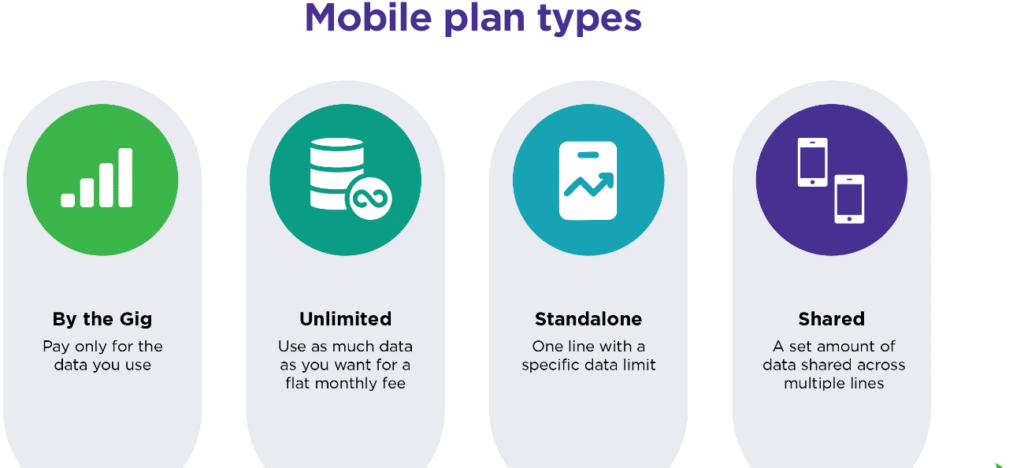
Mobile services increasingly support households rather than individual users. Family plans and shared services allow multiple users to combine services under one account while reducing overall costs.
Shared data allowances, combined billing, and multi-line discounts create opportunities for savings while simplifying account management.
Families often benefit from having flexible solutions because usage patterns differ between individuals. Some users consume large amounts of data while others require minimal services.
Modern family solutions allow households to distribute resources more efficiently while maintaining individual flexibility.
This approach not only improves affordability but also creates simpler billing experiences and better financial management.
Mobile Services Beyond Calls and Texts
Modern mobile solutions extend far beyond traditional communication. Consumers increasingly expect additional services that improve convenience and enhance digital lifestyles.
Many plans now include features such as international connectivity options, roaming services, data sharing, security tools, entertainment benefits, and account management apps.
Self-service mobile applications have become particularly important because they allow users to monitor usage, adjust plans, pay bills, and manage services instantly.
Convenience has become a major competitive factor because customers expect greater control over their accounts without requiring lengthy customer support interactions.
As technology evolves, mobile services continue expanding beyond connectivity into broader digital ecosystems.
Sustainability and Smarter Technology Choices

Consumers are becoming increasingly aware of sustainability when purchasing technology products and services.
Modern mobile solutions support sustainability in several ways. Longer device lifecycles encourage consumers to keep phones for extended periods rather than upgrading unnecessarily. Flexible plans also reduce waste by focusing on services rather than hardware replacement cycles.
Refurbished devices, digital billing systems, and reduced packaging have also contributed to more environmentally conscious mobile ecosystems.
Consumers increasingly recognize that better technology decisions can reduce both financial costs and environmental impact.
Sustainability is becoming an important consideration because customers want solutions that align with both personal budgets and responsible consumption habits.
How Consumers Can Choose Better Mobile Solutions
Selecting the right mobile solution requires understanding personal needs rather than simply choosing the cheapest or most heavily advertised option.
Consumers should evaluate several factors before selecting services:
Coverage quality remains essential because poor connectivity reduces value regardless of pricing.
Monthly data requirements should reflect actual usage rather than assumptions.
Contract flexibility becomes important for users who want the ability to change services easily.
Additional features such as international usage, family sharing, or rewards programs may create added value depending on individual needs.
Reviewing existing expenses can also reveal unnecessary spending. Many consumers discover they are paying for outdated plans that no longer match their usage patterns.
Making informed decisions helps consumers maximize both savings and overall satisfaction.
The Future of Mobile Connectivity
Mobile technology continues evolving rapidly. Faster networks, increased automation, smarter devices, and improved digital services are reshaping consumer expectations.
Future mobile solutions will likely become even more personalized, allowing consumers to customize services according to changing lifestyles and usage patterns.
Artificial intelligence, connected devices, and expanding digital ecosystems will further increase the importance of reliable connectivity.
Consumers can expect mobile services to become more flexible, more efficient, and more integrated into everyday life.
As competition increases, providers will continue focusing on delivering stronger value, better pricing, and improved customer experiences.
FAQ’s
10 Innovative Tech & Software Tools That Make Work Easier
Technology has quietly become the gentle wind that moves modern work forward. Like a river…

10 Innovative Tech & Software Tools That Save Time and Money
Technology has quietly become part of almost every moment in our lives. From the first…

The Ultimate Digital Marketing Blueprint for Business Growth in 2026
The digital world moves like a flowing river. Every year, new platforms appear, customer expectations…

10 Powerful AI & Automation Tools That Save Time Every Day
This is where AI & Automation begins to make a meaningful difference. Instead of replacing…
10 Powerful Tools & Tutorials That Can Transform Your Daily Workflow
Every day brings a fresh opportunity to accomplish something meaningful, yet many of us find…
Best Tech & Software for Students, Professionals, and Creators
Technology has become one of the strongest driving forces behind education, business, and creativity. In…