
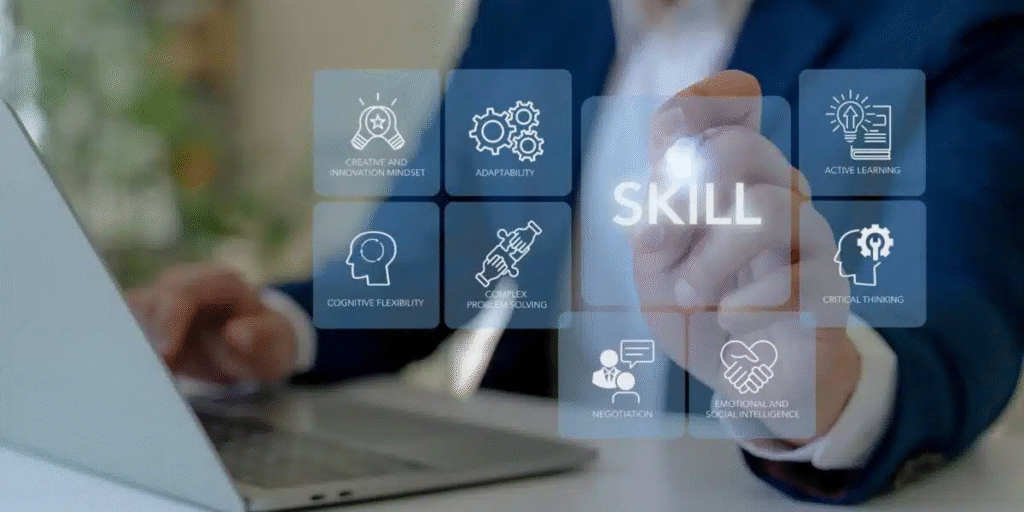
Let’s be completely honest with ourselves: life feels like it’s moving faster than our brains were ever designed to handle. Every time we look at our phones or check the news, there’s a new update, a new system, or a new way of doing things that we’re supposed to magically understand.
By the time we hit 2026, the old idea of “learning a new skill” has completely changed. It used to be something you did if you were a student fresh out of college, or if you were trying to claw your way up the corporate ladder. Now, it feels like a basic survival mechanism for everyday human beings who don’t want to feel completely left behind by a world that refuses to hit the pause button.
That’s exactly why finding the Best Tools for learning and growth matters more than ever. The right tools can help people adapt faster, learn smarter, and stay confident in a constantly evolving digital world.
Learning today looks very different from what it did a decade ago. People no longer need to sit in a classroom for months to gain valuable knowledge. Modern tools and tutorials have made learning more flexible, accessible, and practical. A person can improve writing skills during a lunch break, learn graphic design in the evening, or practice coding on a smartphone while commuting. The ability to learn anytime and anywhere has completely changed how skills are built.
How Digital Tools Are Transforming Learning
Digital tools have become one of the strongest forces behind modern education and skill development. These tools do more than provide information. They create structured learning experiences, offer instant feedback, and make difficult subjects easier to understand. Instead of struggling through confusing concepts alone, learners can now use smart platforms designed to guide them step by step.
In 2026, digital tools are smarter, faster, and more personalized than ever before. Many platforms now adapt to a learner’s progress and provide customized recommendations. If someone struggles with a concept, the tool can offer extra practice or simplified explanations. This level of personalization helps learners progress more efficiently. It reduces frustration and builds confidence, especially for beginners.
The biggest advantage of modern tools is accessibility. Whether someone lives in a major city or a small town, access to high-quality learning resources is now possible with an internet connection. This has created new opportunities for millions of people worldwide. Skill development is no longer restricted by geography, financial limitations, or traditional educational systems.
Writing Tools and Communication Skills
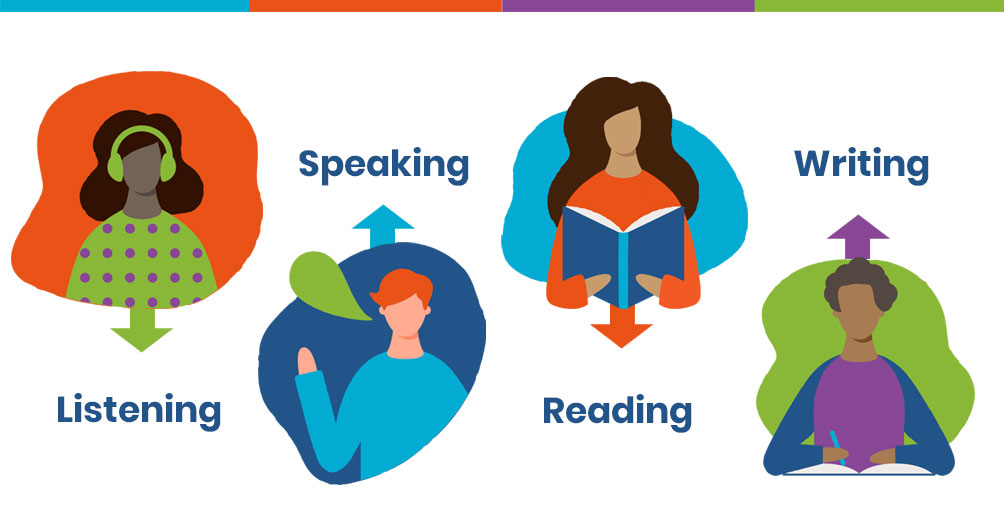
Strong communication remains one of the most valuable skills in every industry. Whether a person works in business, marketing, education, customer service, or freelancing, the ability to communicate clearly creates opportunities. Writing is especially important because digital communication dominates modern workplaces. Emails, reports, social media posts, proposals, and content creation all require strong writing ability.
Writing tools have become highly advanced in 2026. They help users improve grammar, sentence structure, readability, and clarity. More importantly, these tools help learners understand mistakes and improve over time. Instead of simply correcting errors, many tools explain why a change improves the content. This transforms editing into an active learning process.
Tutorials focused on writing also play a major role in skill development. Good writing tutorials teach more than grammar rules. They help people understand tone, audience, persuasion, storytelling, and structure. These elements are what turn average writing into effective communication. The more people practice with guidance, the more naturally strong writing becomes part of their daily workflow.
Design Tools and Creative Skill Growth
Visual communication has become essential in the digital era. Businesses, creators, and professionals all rely on visual content to capture attention and deliver messages effectively. This has increased the demand for design skills across multiple industries. In 2026, even people outside creative professions often need to create presentations, marketing materials, social media graphics, and branded visuals.
Modern design tools have made creative work much more approachable. In the past, graphic design often required expensive software and years of practice. Today, tools with intuitive interfaces, templates, and smart design suggestions allow beginners to create professional-quality visuals quickly. These tools lower the entry barrier while still helping users learn important design principles.
Tutorials are essential for creative growth because design is both technical and artistic. Watching experienced designers explain composition, spacing, typography, and color balance helps beginners understand why certain visuals work better than others. With regular practice, users gradually develop a stronger eye for design and improve their creative decision-making.
Coding and Technical Skills in a Digital Economy

Technical skills continue to grow in value as businesses become increasingly digital. Coding is no longer useful only for software developers. Professionals in finance, marketing, operations, and product management benefit from technical understanding. Knowing how systems work improves problem-solving and increases adaptability.
Coding tutorials remain one of the most powerful learning resources in 2026. They help learners understand programming logic through practical exercises and real-world projects. Instead of memorizing code, effective tutorials teach problem-solving. This approach builds deeper understanding and long-term skill retention.
Learning technical skills also develops patience and resilience. Coding often involves trial and error. Errors, bugs, and failed solutions are normal parts of the process. Tutorials help learners understand that mistakes are valuable learning opportunities.
Productivity Tools and Better Learning Habits
Learning a skill requires more than motivation. It requires consistency, discipline, and strong habits. Many people start enthusiastically but struggle to maintain momentum. Productivity tools help solve this problem by improving focus, organization, and time management.
In 2026, productivity tools are helping learners structure their growth more effectively. They allow users to track goals, manage schedules, organize notes, and build routines. This creates a clear system for progress. Instead of relying on motivation alone, learners develop habits that support long-term improvement.
Tutorials related to productivity are equally valuable because they teach strategies for managing distractions and maintaining focus. Modern life is full of interruptions, from social media notifications to endless digital distractions. Productivity tutorials help people create better systems for deep work and intentional learning.
Small improvements in productivity often create major long-term benefits. A learner who studies consistently for twenty minutes daily may achieve more over time than someone who studies intensely but inconsistently. Sustainable habits often matter more than short bursts of motivation.
The Role of AI in Skill Improvement
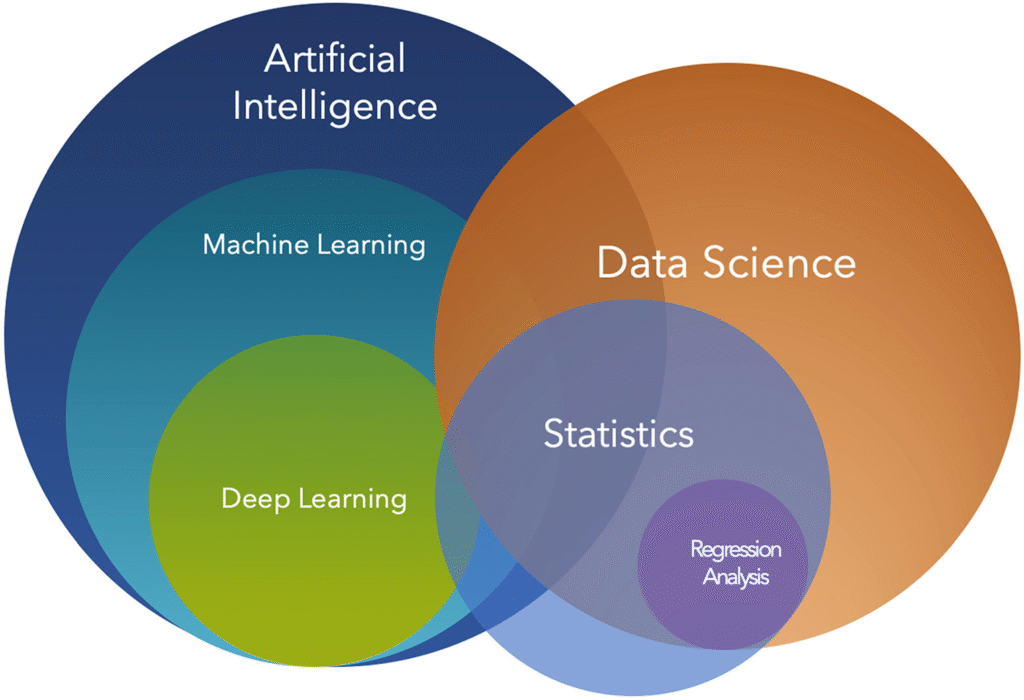
Artificial intelligence has become one of the most influential learning tools in 2026. AI-powered systems are transforming education by making learning more interactive and personalized. Instead of passively consuming information, learners can engage in dynamic conversations, ask questions, and receive immediate explanations.
AI tools can simplify difficult concepts, generate examples, create practice exercises, and provide instant feedback. This makes learning more efficient and responsive. A learner who gets stuck no longer has to wait for an instructor or spend hours searching for answers. Guidance is available instantly.
What makes AI especially powerful is adaptability. AI can respond to different learning styles and knowledge levels. A beginner may need simplified explanations, while an advanced learner may want deeper analysis. AI tools can adjust accordingly, making education more personalized than traditional one-size-fits-all methods.
However, AI works best when used as a learning assistant rather than a replacement for effort. Real skill development still requires practice, critical thinking, and application. AI can accelerate learning, but mastery comes from active engagement.
Why Tutorials Matter More Than Ever
Tools are valuable, but tutorials give those tools purpose. Without guidance, even powerful software can feel overwhelming. Tutorials bridge the gap between access and understanding. They show learners how to use tools effectively and apply knowledge in practical situations.
In 2026, tutorials are becoming more engaging and efficient. Video lessons, live sessions, interactive guides, and practical demonstrations help learners understand complex concepts quickly. Visual learning is especially effective for many people because it combines explanation with demonstration.
One major advantage of tutorials is self-paced learning. People can pause, rewind, and revisit lessons whenever needed. This removes the pressure of keeping up with a fixed classroom pace. Learners gain control over their progress, which improves confidence and retention.
Good tutorials focus on application rather than theory alone. They help learners solve real problems and build practical experience. This practical approach makes knowledge more useful and memorable.
FAQ’s
1. What are the best tools for skill improvement in 2026?
AI tools, writing assistants, design software, coding platforms, and productivity apps.
2. Why are tutorials important for learning?
Tutorials simplify complex topics into easy step-by-step lessons.
3. Can beginners use these tools?
Yes, most modern tools are beginner-friendly and easy to learn.
4. How long does it take to improve a skill?
It depends on practice, consistency, and learning methods.
5. Are free tools and tutorials available online?
Yes, many high-quality free resources are available online.
How to Get a Personal Loan in India
few years ago, I found myself in a position where I needed a significant amount…

Profitable Business Ideas for Students to Earn Money in 2026
I still remember sitting on my twin-sized college bed during my second semester, opening my…

How to Invest in Fixed Deposits in 2026
When I first started earning and saving money, the investment world felt completely overwhelming to…

The Best Stock Market Investment Tips for Beginners in 2026
When I first stepped into the stock market back in 2021, I was convinced I’d…

The Best Apps for Exam Preparation in India
When I first started preparing for competitive exams in India, my study table was a…
How to Start an E-commerce Business in India in 2026
When I took the plunge into online selling in India back in early 2024, my…