
The Digital Season: Cultivating Business Growth Through AI and Automation
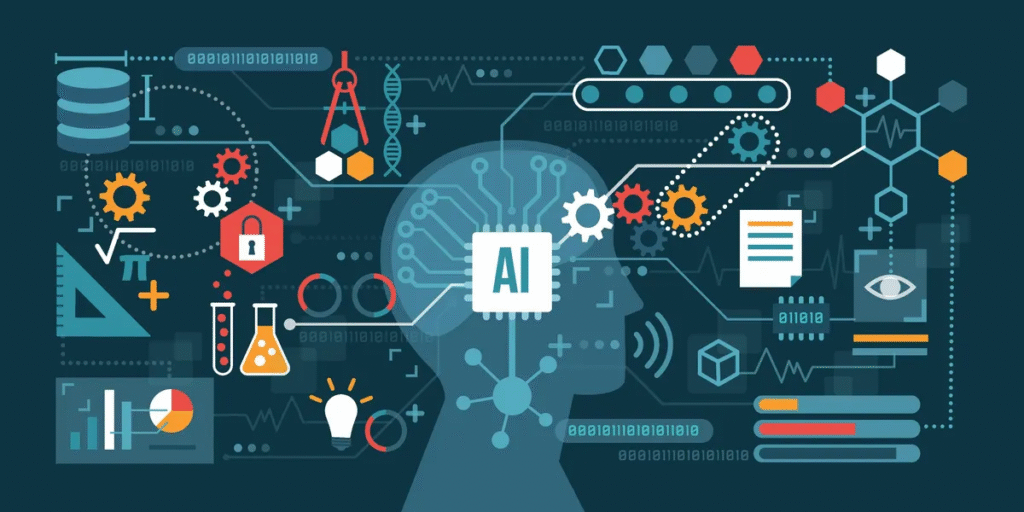
We live in a world that rarely hits the pause button. If you step back and look at the modern marketplace, change doesn’t just happen; it sweeps through like a sudden shift in seasons. Not too long ago, running a business meant relying entirely on manual sweat, paper trails, and human memory. Today, we are witnessing a quiet but massive migration toward something much faster, more intuitive, and deeply interconnected. At the very center of this evolution are two forces that used to belong to the realms of science fiction: artificial intelligence and automation.
Let’s be honest for a moment. For a long time, these words felt cold, distant, and frankly, a bit intimidating. They sounded like tools reserved only for massive tech giants with endless budgets. But the landscape has shifted. Today, these technologies have become practical, everyday solutions that small brick-and-mortar shops, growing startups, and seasoned enterprises alike can use to breathe easier, work smarter, and protect their most valuable resource: human time.
This transformation is fundamentally reshaping how we work, communicate, and look at competition. Whether it’s how we handle a frustrated customer at midnight, how we predict next month’s sales, or how we manage a messy inventory, AI and automation are acting as a new kind of modern root system—quietly supporting the trunk and branches of our organizations so they can reach toward higher light.
The River and the Mind: Demystifying AI and Automation
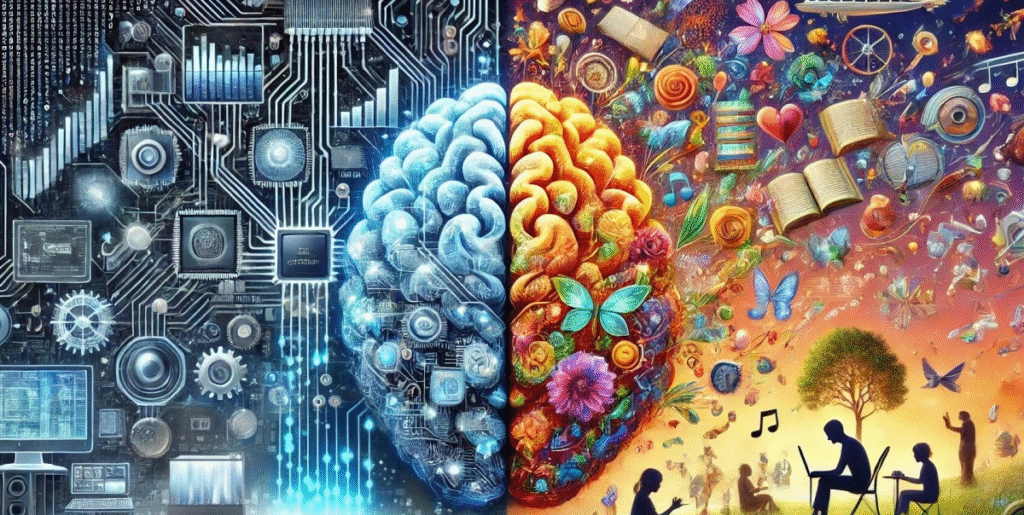
To truly understand how to use these tools, we have to look past the buzzwords and understand what they actually do on a human level. They are often lumped together into the same bucket, but they are distinct partners, much like the soil and the rain.
- Automation is about consistency and rhythm. It is the technology that takes over the predictable, repetitive, and often soul-crushing tasks that drain human energy. Think of things like sending out confirmation emails, updating a spreadsheet, or scheduling social media posts. It is a river flowing smoothly through a well-carved channel, handling the routine without needing constant human intervention.
- Artificial Intelligence (AI), on the other hand, is about adaptation and pattern-seeking. It doesn’t just follow a straight track; it learns from data, recognizes nuances, makes calculated predictions, and handles complex language. If automation is the steady flow of the river, AI is the mind of the navigator guiding the boat—interpreting the weather, reading the currents, and adjusting the sails.
When you fuse these two forces together, something incredible happens. You don’t just get a faster machine; you create an ecosystem that operates with both speed and intelligence.
The Human Space: Why Intelligent Tools Matter
Human beings are naturally creative, empathetic, and strategic creatures. We thrive when we are solving complex riddles, building deep relationships, and dreaming up new ideas. Unfortunately, the modern office environment often buries people under a mountain of mundane paperwork. When an employee spends four hours a day manually entering data or copy-pasting tracking numbers, their creative pilot light begins to flicker out.
This is the real heartbreak of inefficient business operations—the waste of human potential. AI and automation step into this gap not to push humans out, but to clear away the weeds.
“We don’t need humans to act like robots; we need robots to handle the robotic work so humans can finally have the mental space to think, feel, and create like humans.”
Imagine the collective sigh of relief in a busy department when the tedious, repetitive tasks are suddenly handled by a background system. The energy changes. People stop feeling like cogs in a machine and start focusing on strategy, authentic customer connection, and true problem-solving. Productivity rises naturally, not because people are being pushed to work harder, but because the unnecessary friction has been removed from their day.
Clearing the Canopy: Better Decisions Through Data
Every single day, a business breathes in data. Every click, every purchase, every casual comment on social media leaves a footprint. But for a human mind, trying to make sense of thousands of data points can feel like standing in the middle of a dense, dark forest, unable to see the horizon because of the thick canopy overhead.
AI gives us a higher vantage point. It acts like climbing to a mountain peak, offering a clear, panoramic view of the entire landscape.
An AI system can sift through massive mountains of information in a fraction of a second, spotting trends that our eyes would miss. It can quietly whisper to a business owner: “Look closely here—customers who buy this product in April usually look for this specific solution by July.”
| Decision Aspect | The Traditional Human Way | The AI-Assisted Way |
| Market Analysis | Relying on gut feelings and old spreadsheets | Real-time pattern recognition across global data |
| Inventory Planning | Guesswork based on last year’s leftover stock | Predictive forecasting based on current buying behavior |
| Problem Solving | Reactive (fixing things after they break) | Proactive (identifying vulnerabilities before they disrupt) |
This shift from a reactive mindset to a proactive one changes everything. Instead of constantly putting out fires, leaders can anticipate where the sparks will drop. It blends the beautifully messy, intuitive nature of human judgment with the sharp, unblinking clarity of machine analytics.
The Digital Handshake: Keeping the Human Touch at Scale


There is an old, comforting feeling about walking into a local neighborhood shop where the owner knows your name, remembers your preferences, and genuinely cares about your experience. As businesses grow, keeping that warm, deeply personalized feeling alive becomes incredibly difficult. It’s hard to scale a heartbeat.
Strangely enough, AI is helping businesses return to that high-touch standard of care.
Think about an AI-driven chatbot or a smart support system. It doesn’t sleep, it doesn’t have bad days, and it doesn’t get tired of answering the same question a hundred times. When a customer reaches out with a midnight panic, the system is there to provide an instant, helpful response.
Furthermore, personalization tools can tailor recommendations to an individual’s specific journey. When a brand remembers what you value and shows you exactly what you need without making you dig for it, it feels less like a cold transaction and more like a helpful relationship. Customers appreciate convenience, but more than that, they appreciate feeling understood.
Managing the Friction: Fear, Trust, and the Human Element
Every great transition in human history has come with a wave of anxiety, and the rise of AI is no exception. When people look at smart machines, their minds naturally wander to a place of fear: Will I be replaced? Is my experience still valuable?
This is a heavy, valid human emotion that leaders cannot afford to ignore. If you introduce technology into a workplace without talking about the human heart behind it, you will breed resentment and resistance.
The honest truth is that AI is a tool, not a savior, and certainly not a complete replacement for human soul. A machine can analyze a resume with flawless precision, but it cannot feel the warmth of a candidate’s passion during an interview. An algorithm can optimize a marketing campaign’s budget, but it cannot understand the deep, emotional nuances of a shared human story.
       [ The Balanced Business Architecture ]

            MACHINES                 HUMANS
         ┌────────────┐          ┌────────────┐
         │   Speed    │          │ Creativity │
         │ Precision  │   ────   │  Empathy   │
         │ Big Data   │          │  Judgment  │
         └────────────┘          └────────────┘
               │                       │
               └───────────┬───────────┘
                           ▼
               Sustainable, Smart Growth
The businesses that will truly thrive in the coming years are those that intentionally marry the speed of the machine with the empathy of the human. We have to view this shift as a journey of elevation. It takes time, patience, and a willingness to learn.
If you are a business owner standing at the edge of this digital frontier, you don’t have to change everything overnight. You don’t have to tear down your whole forest to build something new. Start small. Plant a single seed of automation in your most frustrating, bottlenecked daily task. Watch it grow, notice the time it saves you, and use that extra time to sit down, look your customers in the eye, and do the real, deep human work that no machine will ever replicate.
FAQ’s
1. What is AI in business?
AI helps businesses analyze data, make decisions, and improve operations.
2. What does automation do?
Automation handles repetitive tasks with minimal human effort.
3. How do AI and automation improve productivity?
They save time, reduce errors, and speed up workflows.
4. Can small businesses use AI?
Yes, AI tools can help businesses of all sizes grow efficiently.
5. Why are AI and automation important?
They boost efficiency, reduce costs, and support business growth.
How to Get a Personal Loan in India
few years ago, I found myself in a position where I needed a significant amount…

Profitable Business Ideas for Students to Earn Money in 2026
I still remember sitting on my twin-sized college bed during my second semester, opening my…

How to Invest in Fixed Deposits in 2026
When I first started earning and saving money, the investment world felt completely overwhelming to…

The Best Stock Market Investment Tips for Beginners in 2026
When I first stepped into the stock market back in 2021, I was convinced I’d…

The Best Apps for Exam Preparation in India
When I first started preparing for competitive exams in India, my study table was a…

How to Start an E-commerce Business in India in 2026
When I took the plunge into online selling in India back in early 2024, my…