

Making money online sounds easy when you see people talking about it on social media. But once you actually start looking for opportunities, it can be hard to know what is real and what is just a promise.
The good news is that there are genuine ways to earn online. You can write for websites, manage social media accounts, teach students, sell digital products, or offer a skill as a freelancer. You do not have to try all of these options. Starting with one thing and getting comfortable with it is usually a much better approach.
If you are completely new to online earning, these ideas can help you understand where to begin.
1. Try Freelancing

Freelancing is a good place to start if you already have a skill that someone else might be willing to pay for. You work on a project or task for a client instead of joining the company as a regular employee.
There is a wide range of freelance work available. Some jobs need advanced skills, while others are easier for beginners to learn.
Freelance Skills You Can Learn
Some common options are:
- Writing and proofreading
- Graphic design
- Video editing
- SEO
- Social media management
- Website work
- Virtual assistance
- Translation
- Basic data-related work
Start With One Skill
A common mistake is trying to learn five or six skills at the same time. It is easier to pick one, practise it and create a few examples of your work.
For instance, if you want to become a content writer, write two or three sample articles. They do not have to be for a real client. They simply need to show what you can do.
Your First Goal
Do not worry too much about earning a large amount immediately. Your first goal can simply be finding a genuine client, completing the work properly and learning from the experience.
2. Earn Through Content Writing

If you naturally enjoy writing, content writing may be worth considering. Many websites need fresh articles, product descriptions, website pages and social media content.
You can write about subjects you already know instead of starting with a completely unfamiliar topic.
What Can a Beginner Write?
There are plenty of possibilities:
- Blog posts
- Product descriptions
- Website pages
- How-to articles
- FAQs
- Social media captions
- Simple SEO content
- Email newsletters
Build a Small Writing Portfolio
You do not need a huge portfolio when you are starting out.
Write a few good samples and keep them together in an easy-to-share format. Choose different topics if you want to show that you can adapt your writing style.
One Useful Tip
Read your article once after finishing it. You will often find sentences that sound awkward or repetitive. Making those small changes can improve your writing more than simply trying to use complicated words.
3. Consider Online Tutoring

Teaching does not always have to happen inside a classroom. If you are confident in a particular subject, you may be able to teach students online.
This could be school subjects, languages, basic computer skills or another area where you have good knowledge.
What Do You Need?
The requirements depend on the type of tutoring you choose, but basic things can include:
- A good understanding of the subject
- A phone, tablet or computer
- Reliable internet
- A quiet place for lessons
- Clear communication
Make Lessons Comfortable
Online classes can become tiring if they are too long or poorly organised. Keep your explanations simple and give students enough time to ask questions.
Start With What You Know
You do not need to teach a subject simply because it is popular. Choosing something you genuinely understand will make preparing lessons much easier.
4. Manage Social Media Accounts

Social media is important for many businesses, but business owners often do not have enough time to create posts every day.
That is where social media management can become a useful online skill.
What Does the Work Involve?
Depending on the client, you might be asked to:
- Plan posts
- Write captions
- Create simple graphics
- Schedule content
- Reply to comments
- Check basic performance numbers
- Suggest new content ideas
Create Samples Before Looking for Clients
If you have no previous experience, make a few sample posts for a fictional café, clothing store or other business.
This gives you something to show when someone asks about your experience.
Keep Your Ideas Practical
A business usually needs content that people can actually understand and engage with. You do not need to make every post complicated or overly creative.
5. Sell Digital Products
Digital products are another option if you enjoy creating useful resources. Unlike physical products, they can be delivered online after purchase.
The type of product you create depends on your skills and the audience you want to reach.
Some Simple Ideas
You could create:
- Printable planners
- Study notes or templates
- Resume templates
- Digital journals
- Worksheets
- Budget templates
- Social media templates
- Checklists
Solve a Small Problem
Think about something people regularly struggle with.
For example, a student might want a simple study planner, while someone looking for a job might want an easy-to-edit resume template.
Make It Easy to Use
A digital product does not have to contain dozens of pages. If it saves someone time or makes a task easier, even a simple resource can be useful.
6. Start a Blog

Blogging is not usually a quick-money option. It takes time to write articles, get them discovered and build regular visitors.
Still, it can become a source of income if you are willing to keep working on it.
Choose a Topic You Can Stick With
Think about subjects you can comfortably write about for months. It could be food, education, technology, travel, home ideas, personal finance or another area you enjoy.
Writing one article about everything under the sun can make a new blog feel unfocused.
Ways a Blog Can Make Money
Once a blog has an audience, possible income sources include:
- Advertising
- Affiliate links
- Sponsored articles
- Digital products
- Services
Be Patient
A new blog may not get many visitors at first. That does not necessarily mean it is failing. Building search traffic and an audience can take considerable time.
7. Explore Affiliate Marketing
Affiliate marketing is based on recommending products or services. When someone makes an eligible purchase through your affiliate link, you may receive a commission.
It sounds straightforward, but earning consistently usually requires an audience that trusts your recommendations.
A Simple Example
Suppose you run a website about study tips. You could write an article about useful study equipment and include relevant affiliate links where appropriate.
The article should still be useful even if the reader does not buy anything.
Do Not Recommend Everything
It is tempting to add affiliate links everywhere once you join a program. That can make your content feel more like an advertisement.
Trust Matters
Recommend things that actually fit the topic. Be clear when a link is an affiliate link and follow the rules of the program you are using.
8. Create Videos

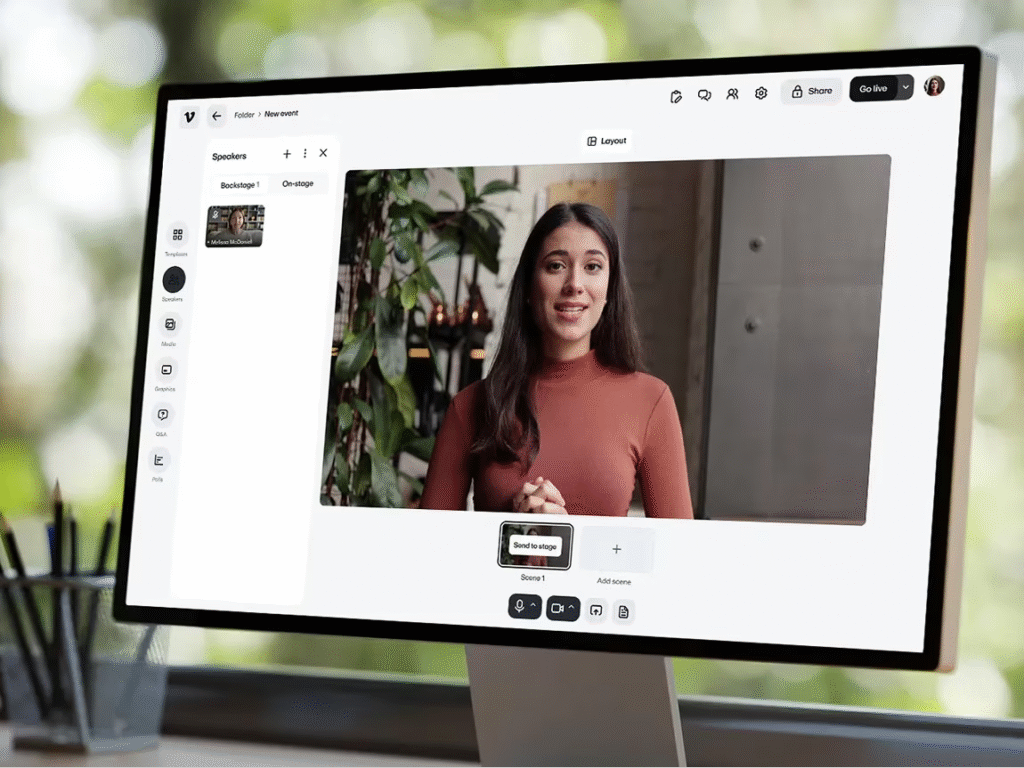
You do not need a professional studio to start making videos. A smartphone can be enough for basic content.
The bigger challenge is finding a topic people want to watch and creating videos consistently.
Pick a Subject You Enjoy
You could make videos about:
- Cooking
- Study tips
- Technology
- Crafts
- Education
- Travel
- Hobbies
- Everyday useful ideas
You do not necessarily need to show your face either. Depending on the topic, screen recordings, voiceovers or demonstrations may work.
Improve as You Go
Your first video probably will not look as good as one you make six months later. That is normal.
Focus on the Basics
Clear sound, useful information and a simple structure are more important when you are starting than expensive cameras or fancy equipment.
9. Work as a Virtual Assistant

Virtual assistants help people or businesses with different online tasks. The work can be quite varied, which is useful if you enjoy organising things.
Tasks May Include
A client might need help with:
- Spreadsheet updates
- File organisation
- Calendar management
- Online research
- Scheduling
- Basic email tasks
- Data entry
- Social media assistance
Useful Skills
Being organised and communicating clearly can make a big difference. You should also be comfortable with basic online tools such as documents, spreadsheets and email.
Keep Track of Your Work
When working with clients, keep your tasks organised and make sure you understand deadlines before starting.
10. Offer Your Skills Directly
There is another option that beginners sometimes overlook. You can approach genuine businesses or individuals directly if you have a useful service to offer.
For example, a small business might need someone to write blog posts. A local shop might need help creating social media content. A creator might need a video editor.
Start Small
You do not need ten clients at once. One small project can give you experience and help you understand what clients actually expect.
Build Your Reputation
Do the work you agreed to do, communicate if there is a problem and respect deadlines. Small things like these can make it easier to get repeat work.
Which Online Earning Method Should You Choose?

There is no single option that works for everyone. Your interests and existing skills should have some influence on your choice.
If You Enjoy Writing
Look into content writing, blogging, proofreading or social media content.
If You Like Creative Work
Graphic design, video editing and digital products could be worth exploring.
If You Enjoy Teaching
Online tutoring or educational content may suit you.
If You Are Good With Computers
Virtual assistance, website work, SEO and other digital services may be options.
Be Careful With Online Earning Scams
Unfortunately, the internet also has plenty of fake job offers. If someone promises a large amount of money for almost no work, take a step back and investigate before doing anything.
Common Warning Signs
Be particularly careful when a supposed employer:
- Guarantees unusually high earnings
- Asks you to pay a large fee before starting
- Pressures you to make a quick decision
- Requests passwords or OTPs
- Asks for unnecessary sensitive information
- Gives very little information about the actual work
- Promises that you will become rich quickly
Check Before You Commit
Look for information about the company or platform independently. Understand what the job involves, how payment works and whether there are any costs.
Protect Your Accounts
Never share passwords, OTPs, PINs or other security information with someone simply because they say they are offering you online work.