
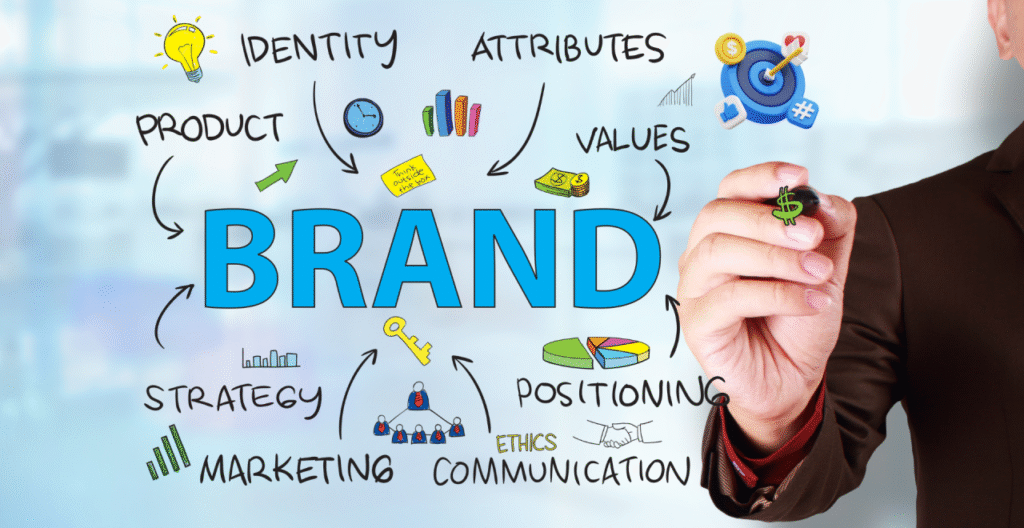
Building a business isn’t just about making something great—it’s about making sure the right people actually find out you exist. If no one understands what you sell or why they should trust you over the alternative, even the best product will just sit on the shelf. Best Marketing brings people through the door, while branding determines what they feel once they get inside. You don’t need a massive budget or a dedicated marketing team to pull this off; a clear message, consistent presentation, and genuine care for your customers will do far more for a small business than expensive, flashy ad campaigns ever could.
1. Deeply Understand Your Audience and Define Your Core Message

Before throwing money at ads or stressing over social media algorithms, step back and ask who you are actually trying to reach. Trying to appeal to everyone usually ends up appealing to no one. Think about what your ideal customer deals with every day—what problems keep them up at night, where they hang out online, and how they make buying decisions. A brand selling backpack travel gear needs an entirely different voice and platform strategy than a consultancy pitching high-end corporate services.
Once you know who you are talking to, nail down a clear, honest brand message. If a first-time visitor lands on your page and can’t figure out what you do within five seconds, you’re losing business. Skip the fluffy corporate jargon and state plainly what your product is, who it’s for, and how it makes their life easier. Back that up with a clean, consistent visual identity—sticking to two or three brand colors, legible fonts, and a cohesive tone across your website, packaging, and social profiles—so people recognize your business the moment it pops up on their screen.
+------------------------+------------------------------------+---------------------------------------+
| Channel                | Primary Focus                      | Best Practice                         |
+------------------------+------------------------------------+---------------------------------------+
| Website & SEO          | Conversions & long-term organic    | Fast loading, mobile-first design,    |
|                        | search traffic                     | plain messaging, clear call-to-action.|
+------------------------+------------------------------------+---------------------------------------+
| Social Media           | Audience engagement & brand        | Focus on 1–2 channels; prioritize     |
|                        | personality                        | useful tips over hard sales pitches.  |
+------------------------+------------------------------------+---------------------------------------+
| Content Marketing      | Building trust & search authority  | Create step-by-step guides, FAQs,     |
| (Blogs/Videos)         |                                    | and genuine problem-solving media.    |
+------------------------+------------------------------------+---------------------------------------+
2. Build a Frictionless Online Presence and Publish Helpful Content

Your website functions as your digital storefront, and first impressions matter. If pages take forever to load, buttons don’t work on mobile screens, or contact details are buried three menus deep, potential customers will simply click away to a competitor. Focus on making navigation seamless and intuitive. Lay out your offerings clearly, display pricing transparently where it makes sense, showcase real customer reviews, and ensure your site runs smoothly on every device.
To bring organic traffic to that website, leverage useful content and basic Search Engine Optimization (SEO). Instead of pitching your products non-stop, answer the real questions your customers are asking online. A skincare brand might write guides on fixing dry winter skin, while an accountant might break down simple tax deductions for freelancers. Optimize page titles, organize content with clear headings, write descriptive image alt text, and ensure fast load times. SEO is a long-term game that requires patience, but consistently publishing helpful resources builds trust and brings in compounding web traffic over time.
Smart Content Distribution
- Focus heavily on the one or two social platforms where your target customers actually spend their time rather than stretching yourself thin everywhere.
- Mix up your feed by alternating product updates with quick educational tips, behind-the-scenes glimpses, and real customer stories.
- Turn your most common customer support questions directly into blog posts, video walk-throughs, or downloadable cheat sheets.
3. Leverage Social Proof, Smart Offers, and Customer Care


Word of mouth remains the single most effective Best marketing tool in existence. People naturally doubt sales copy, but they pay attention when another customer shares a good experience. Once someone buys from you or finishes a service, politely ask for an honest review. Feature those quotes front and center on your site. If someone leaves a negative review, don’t ignore it or argue—respond calmly, take responsibility, and offer a practical fix. The way you handle a misstep often reveals more about your brand integrity than a five-star rating ever could.
When structuring promotions or special deals, make sure they deliver real value without cheapening your brand. Running constant site-wide discounts trains customers to wait for a sale, whereas targeted perks—like a first-order discount, a loyalty reward for repeat buyers, or a free downloadable guide—give people a genuine reason to take action. Pair those offers with great customer service. Fast response times, thoughtful packaging, and following up on unresolved issues turn one-time buyers into loyal advocates who actively market your business for you.
4. Measure What Matters and Stay Consistent

Not every Best marketing experiment will work, and that is completely normal. The key is tracking simple metrics—website visits, inquiry rates, conversion rates, and repeat purchases—so you know what is actually driving revenue versus what is just vanity engagement. You don’t need expensive enterprise software to do this; a simple spreadsheet or basic web analytics tool is plenty to spot trends and refine your strategy over time.
Building a recognizable, trusted brand doesn’t happen after a couple of posts or a single ad run. It comes from showing up consistently, delivering on your promises week after week, and tweaking your approach as you learn more about your audience. Keep your message clear, treat every customer with care, and give your efforts room to grow organically.
Final Thoughts
Large enterprises don’t hold a monopoly on effective marketing. Small businesses can build just as strong an identity—and often a much more authentic one—simply by knowing who they serve, putting out helpful content, keeping their website easy to navigate, and staying in regular touch with their audience.
You don’t need to roll out every single strategy on day one. Pick two or three methods that fit your current budget and match where your customers spend their time, then build from there as your business picks up speed. At the end of the day, straightforward communication, steady effort, and genuine customer care will get your brand noticed—and give people a clear reason to come back.