
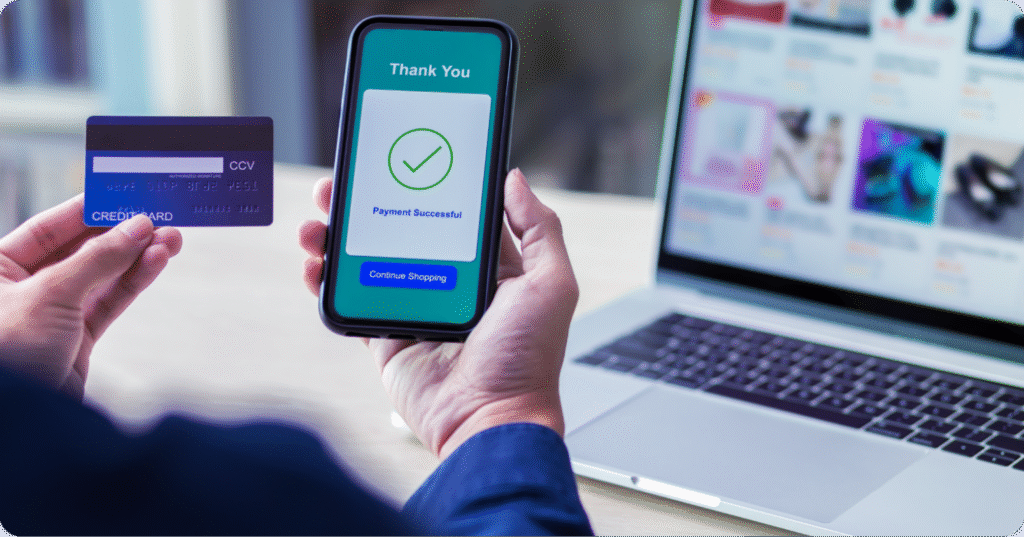
Remember when paying for something meant checking your wallet first? You would count the notes, search for change, and sometimes wait while the shopkeeper looked for smaller denominations. That routine has changed for many people. Today, a Digital Payments can often do the job in a few seconds.
You might scan a QR code while buying vegetables, pay a restaurant bill after dinner, recharge your phone from your sofa, or send money to a family member who lives in another city. There is no need to handle cash for each of these transactions. The Digital Payments happens electronically, and a notification usually confirms it almost immediately.
That is the convenience offered by Digital Payments.
Digital payment methods have become a normal part of shopping, banking, bill payments, and money transfers. They are useful, but they also require some awareness. A Digital Payments takes only a few taps, so it is easy to act quickly without checking the details properly.
Understanding the different Digital Payments options and knowing a few basic safety habits can make Digital Payments much easier to use with confidence.
What Are Digital Payments?
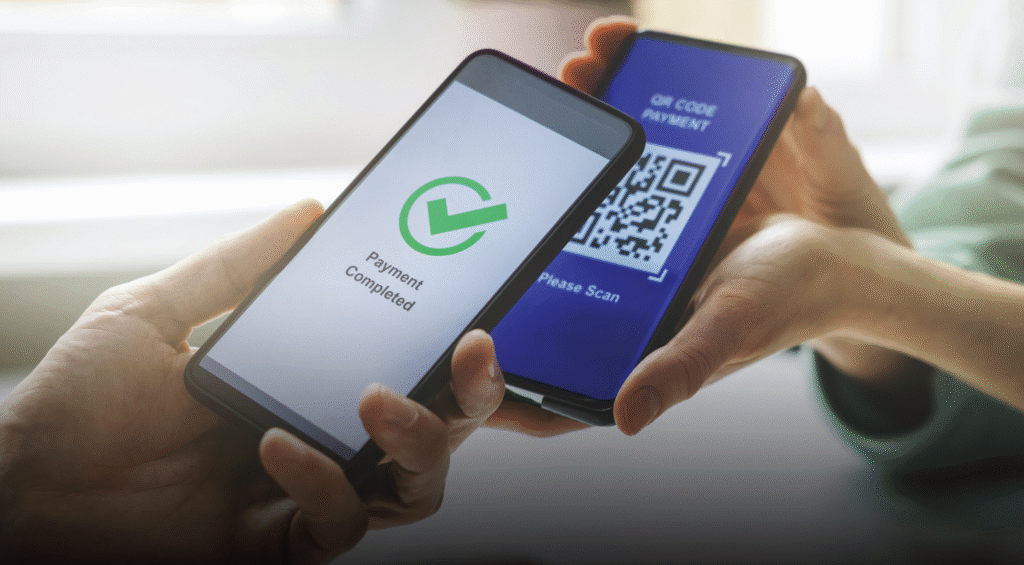
A digital payment is simply a payment made electronically instead of using physical cash. Money moves through a bank account, card network, payment application, digital wallet, or another electronic system.
The process can look different depending on the payment method.
Suppose you are buying something from a small shop. The shopkeeper shows you a QR code, you scan it with a payment app, enter the amount, and approve the transaction. The money is transferred electronically, and you receive a confirmation.
Online shopping works in a similar way, although the payment may be completed with a debit card, credit card, UPI, net banking, or another option offered by the website.
So, digital payments are not one particular technology. They are a collection of different ways to pay without exchanging physical notes and coins.
Why Are Digital Payments So Popular?
Convenience is probably the first thing that comes to mind.
People do not always carry cash, and even when they do, it may not be enough for an unexpected purchase. A smartphone or card can provide another way to complete the payment.
Digital payments are also useful because they fit naturally into online services. When ordering food, booking tickets, paying a bill, or shopping online, an electronic payment can be completed without visiting a bank or store.
There is another small benefit that is easy to overlook: transaction records.
Instead of trying to remember where you spent your cash, you can often open your banking or payment application and check previous transactions. This can be helpful when reviewing monthly expenses or trying to understand where your money is going.
For shop owners and other small businesses, accepting digital payments can also make things more convenient for customers who prefer not to carry cash.
Different Ways to Make Digital Payments
Not every payment needs to be made in the same way. The right option depends on what you are buying, where you are paying, and which services you use.
UPI Payments
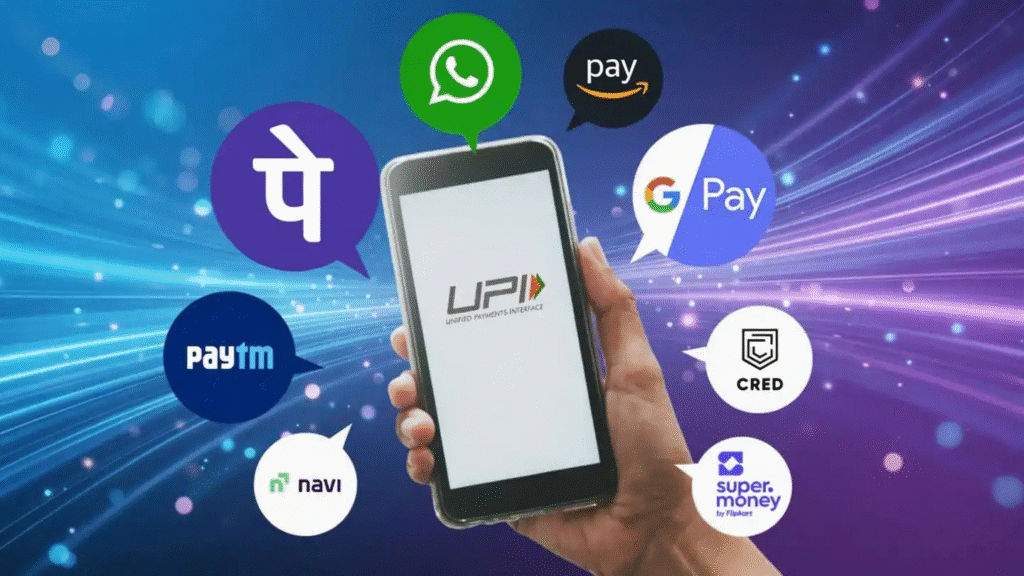
UPI, or Unified Payments Interface, is one of the familiar digital payment methods used in India.
It allows eligible bank accounts to send and receive money through supported payment applications. Depending on the service, you may be able to make a payment using a UPI ID, mobile number, or QR code.
QR payments are particularly common for everyday purchases. A customer can scan the code displayed by a shop, check the payment details, enter the required information, and approve the transaction.
UPI can also be used for sending money to another person, paying bills, making online purchases, and handling other eligible transactions.
Its popularity comes partly from the fact that small payments can be made without handling cash or manually entering lengthy bank details every time.
Debit Cards
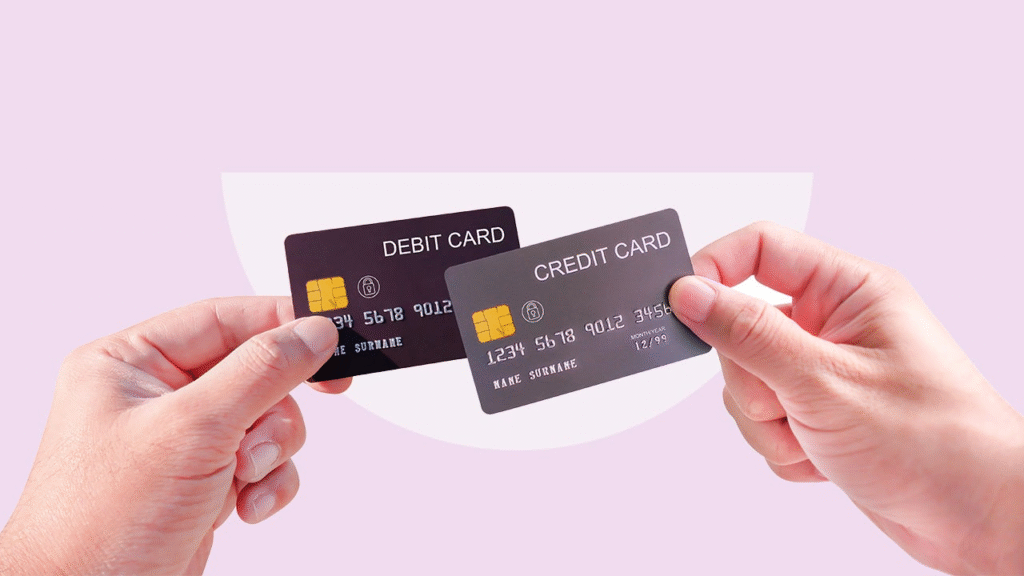
A debit card is connected to a bank account. When you use it for an eligible purchase, the amount is generally taken from the available funds in that account.
Debit cards can be used at physical stores as well as on websites and mobile applications that accept card payments.
They can be convenient for people who prefer paying directly from their bank account. However, card details should be protected carefully, particularly when shopping online.
Credit Cards
Credit cards allow users to make purchases using a credit facility provided by the card issuer.
They are commonly accepted for online shopping, travel bookings, restaurant payments, subscriptions, and many other purchases.
Credit cards can offer useful features depending on the issuer and card, but users should keep track of their spending and payment deadlines. A convenient payment method still needs responsible use.
Digital Wallets
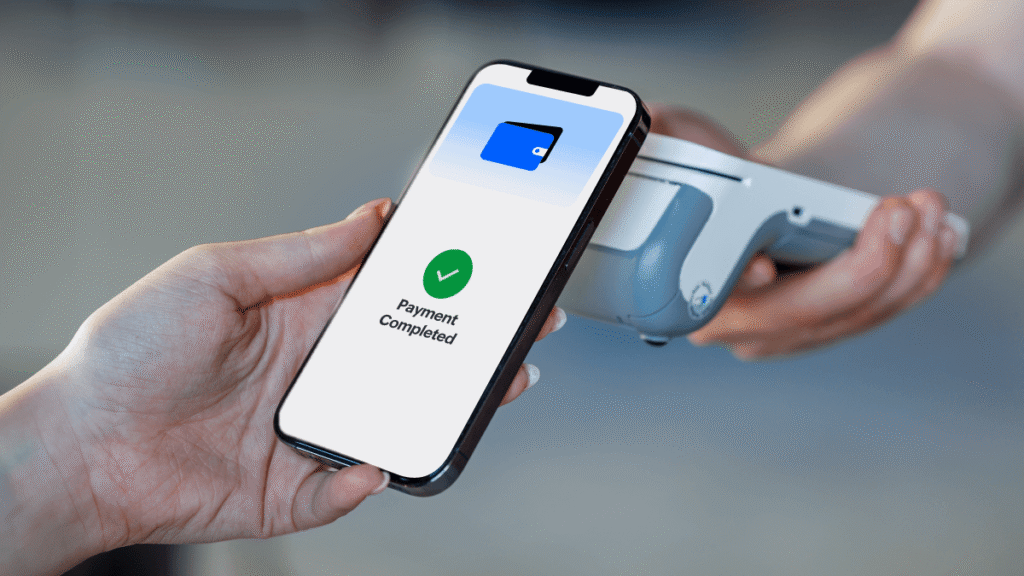
Digital wallets are another way to make electronic payments. Depending on the service, a wallet may allow users to store money or payment information and use it for supported purchases and services.
Wallets can be useful for things such as mobile recharges, bill payments, shopping, and other transactions supported by the provider.
The features are not identical across all wallet services, so it is worth checking what a particular wallet actually offers before using it regularly.
Internet Banking
Internet banking allows customers to access banking services through a bank’s online platform.
Instead of visiting a branch for every routine task, users may be able to check their balance, view transactions, transfer money, pay bills, and manage certain banking services online.
It is particularly useful when you need to handle a banking task rather than simply make a quick purchase.
Mobile Banking
Mobile banking apps bring many banking functions directly to a smartphone.
Depending on the bank, an app may allow you to view account information, transfer funds, pay bills, check statements, manage cards, and perform other banking activities.
Because these applications are connected to financial accounts, keeping your phone protected and using the genuine banking application is important.
Benefits of Digital Payments
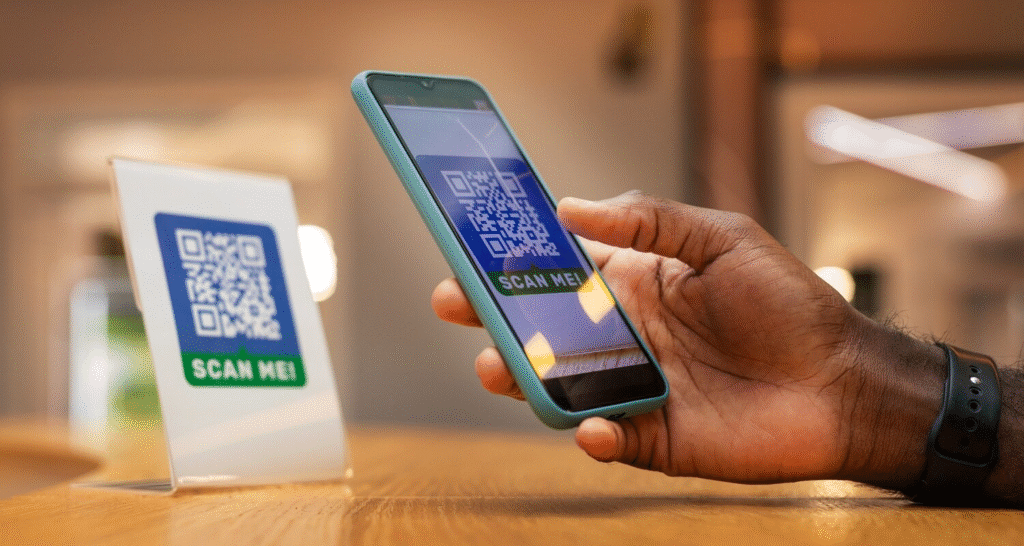
Digital payments have changed many ordinary financial activities. Their benefits are not limited to speed.
Easy for Everyday Shopping
You can leave home without a wallet full of cash and still have a way to pay for many purchases.
A phone can be enough for a quick payment at a store, café, or other participating business.
This is especially convenient when the purchase is unexpected or when you do not have the exact amount in cash.
Faster Digital Payments
Nobody particularly enjoys standing around looking for change.
Electronic payments can make many transactions quicker. Once the payment details have been checked and the transaction is approved, the process can be completed without counting notes or waiting for change.
The actual time can vary depending on the payment service, internet connection, and bank.
Digital PaymentsTransaction Records
One useful feature of electronic payments is the record they leave behind.
You can usually check previous transactions through your bank or payment application. This can help when reviewing expenses, checking a previous purchase, or confirming whether a payment was completed.
For people trying to manage a monthly budget, these records can be quite useful.
Convenient for Online Purchases
Buying something online would be difficult without electronic payment methods.
Whether you are purchasing clothes, booking a ticket, paying for a subscription, or ordering food, digital payment options allow the transaction to happen without a physical cash exchange.
Useful for Businesses
Customers have different payment preferences. Some carry cash, while others prefer using their phone or card.
By accepting suitable digital payment methods, businesses can provide customers with another convenient way to pay.
Electronic transaction records can also make it easier for a business to review incoming payments, although proper accounting and record keeping are still necessary.
How to Make Digital Payments Safer
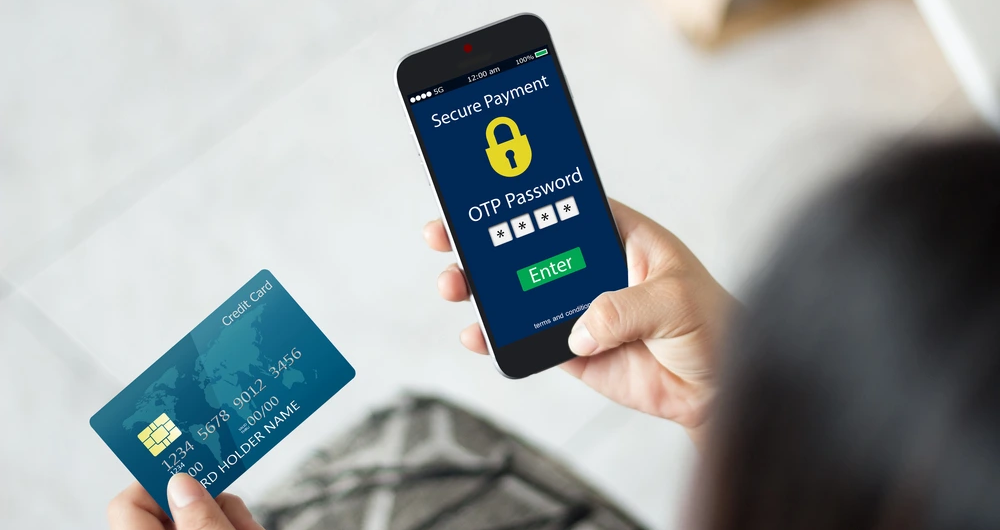
A fast payment is useful only when you know exactly where your money is going.
The good news is that many safety precautions are simple. They mostly come down to slowing down and checking what you are doing.
Keep Your PIN and OTP Private
Your UPI PIN, card PIN, ATM PIN, and one-time passwords should not be shared with other people.
A caller claiming to be from a bank or payment service does not need your confidential PIN just to “help” with a transaction.
If someone asks you to reveal an OTP or PIN, stop and verify the situation through an official channel.
Check the Name and Amount
Before approving a payment, take a moment to check the recipient and amount shown on your screen.
This matters even more when scanning a QR code. Do not assume that every QR code you see is meant for the person or business you intend to pay.
A quick check before approving the transaction can prevent an avoidable mistake.
Download Genuine Applications
Banking and payment applications should come from trusted sources.
Avoid installing an application simply because somebody sends you an unfamiliar download link. If you need a banking app, find it through the bank’s official website or a trusted app store.
The same caution applies to online banking websites. Check that you are using the genuine website rather than a look-alike page.
Do Not Trust Unexpected Links
A message may claim that your account needs verification, a parcel is waiting, a refund is available, or you have received a special offer.
Do not click automatically.
If the message appears to concern your bank, shopping account, or another service, open the official application yourself and check the information there.
Protect Your Phone
Your phone may contain banking apps, saved payment information, emails, and personal data.
Use a secure screen lock and keep the operating system and important applications updated. If your phone is lost or stolen, contact the relevant bank or payment provider and take the recommended security steps.
Digital Payment Scams You Should Know About
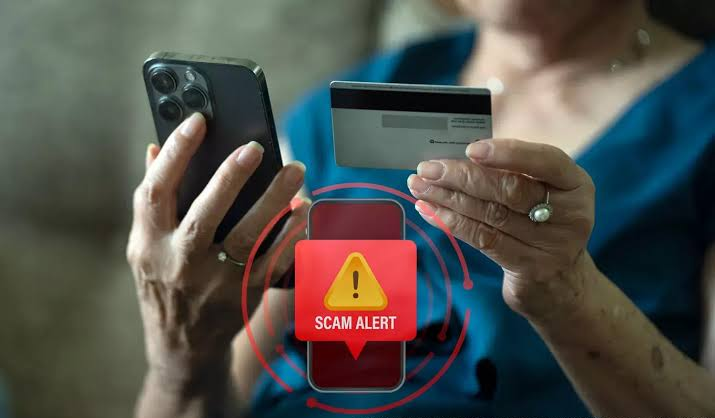
Scams involving payments often depend on creating urgency.
A caller may say that your account will be blocked unless you act immediately. Another person may pretend to be a customer-service representative and ask you to install an application or provide sensitive information.
Fake refunds and cashback offers are another common type of trick. A message may promise that money is waiting for you, but following the instructions could lead to an unwanted transaction or expose your information.
Payment requests deserve particular attention too. Someone may tell you that you need to approve a request to receive money. Before approving anything, read the screen carefully and make sure you understand what you are authorizing.
When money is involved, there is nothing wrong with taking an extra minute to verify the situation.
Digital Payments for Small Businesses
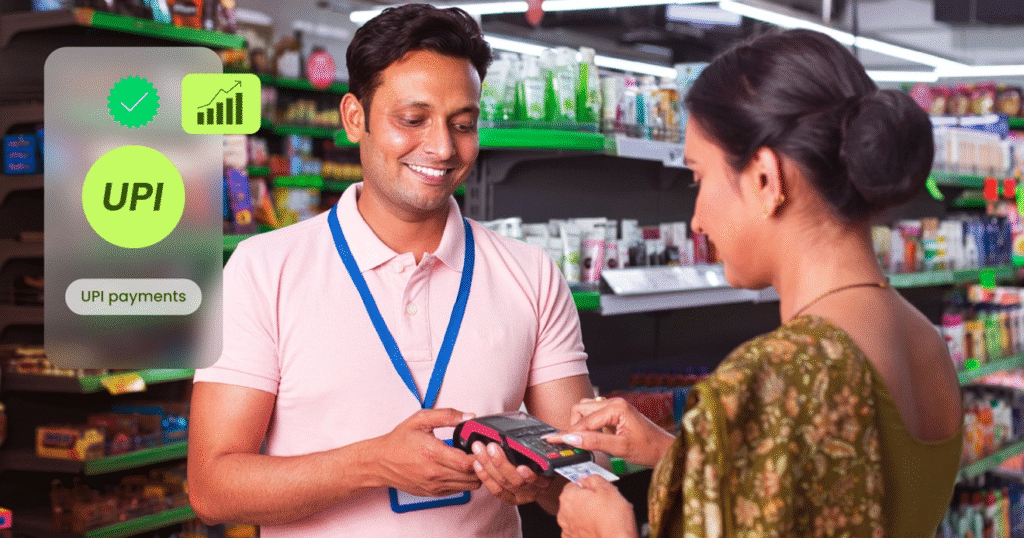
Digital payments have become useful for businesses of all sizes, including small local shops.
A QR code placed near a counter can give customers a convenient way to pay. This can be particularly helpful when someone does not have enough cash available.
Businesses can also benefit from electronic transaction records. Instead of relying only on physical cash records, owners can review payments received through their banking or payment system.
There is one important point, though: a payment screenshot is not the same thing as confirmed receipt of money.
If a customer shows a screenshot saying a payment was made, the business should check its own account or payment application before treating the transaction as complete.
What If a Digital Payment Fails?
Not every transaction goes through perfectly.
Sometimes a payment may fail because of a technical issue, connectivity problem, bank-side delay, or another reason. A transaction may also appear as pending for some time.
If this happens, do not immediately make the same payment again.
First, check your bank account and transaction history. You want to know whether the amount was deducted before trying another transaction.
If the problem continues, contact the bank or payment service through its official support channel.
Keep information such as the transaction reference number, amount, date, and recipient details nearby. These details can help customer support understand what happened.
And remember: genuine support staff should not need your confidential PIN or OTP to investigate an ordinary payment issue.
Using Digital Payments for Personal Money Management
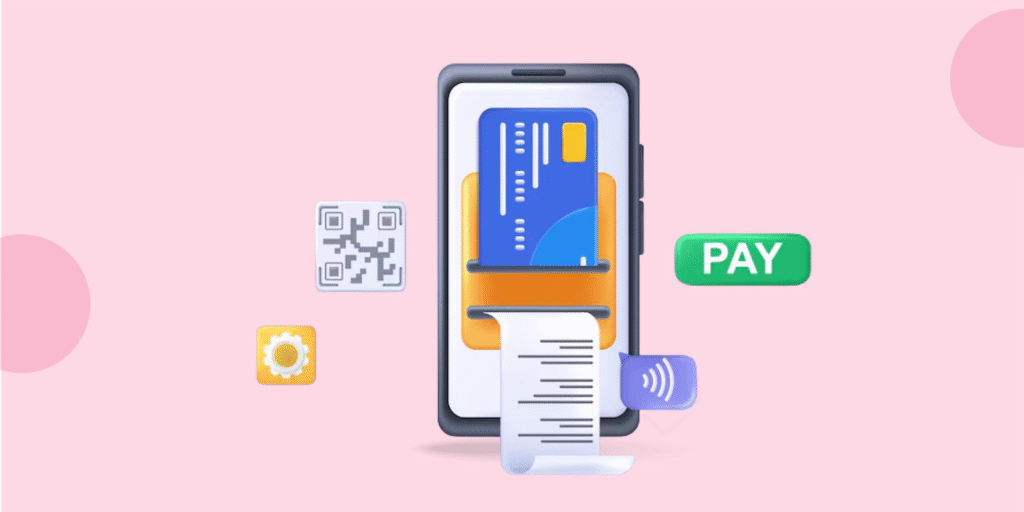
There is a financial advantage to having transactions recorded digitally: it becomes easier to look back at your spending.
At the end of the month, you can review transactions and see how much went toward groceries, travel, shopping, subscriptions, bills, or other expenses.
This does not automatically create a budget, of course. You still need to decide how much you want to spend and where you can cut back.
There is also a small psychological difference between handing over cash and tapping a phone. Digital payments can feel almost effortless, which is convenient but can also make frequent small purchases easy to overlook.
Checking your transaction history regularly can help keep spending visible.
How to Choose a Digital Payment Method
You do not need to use every payment method available.
Think about what you actually need.
For small everyday purchases, UPI or a card may be convenient. For certain bank transfers, internet banking may be more suitable. Online stores may provide several choices, allowing you to select the method you already trust and understand.
Security should always be part of the decision. Look for established payment services, protect your account credentials, and avoid making transactions when something about the request seems suspicious.
It is also worth keeping an alternative payment option available. If your preferred payment app is temporarily unavailable or your internet connection stops working, having another option can save you from an awkward situation.
Simple Habits That Can Make Digital Payments Easier
You do not need complicated rules to use digital payments responsibly. A few everyday habits can go a long way.
Check the recipient before sending money. Read the amount before approving a transaction. Keep your PINs and passwords private. Ignore unexpected requests for confidential information.
When a message creates pressure by saying “act now,” take a step back instead.
Also, check your bank and payment notifications regularly. If you notice a transaction you do not recognize, report it through the appropriate official channel rather than waiting.
Most importantly, remember that convenience should never replace attention. A payment may take only a few seconds, but checking the details takes only a few seconds too.
Final Thoughts
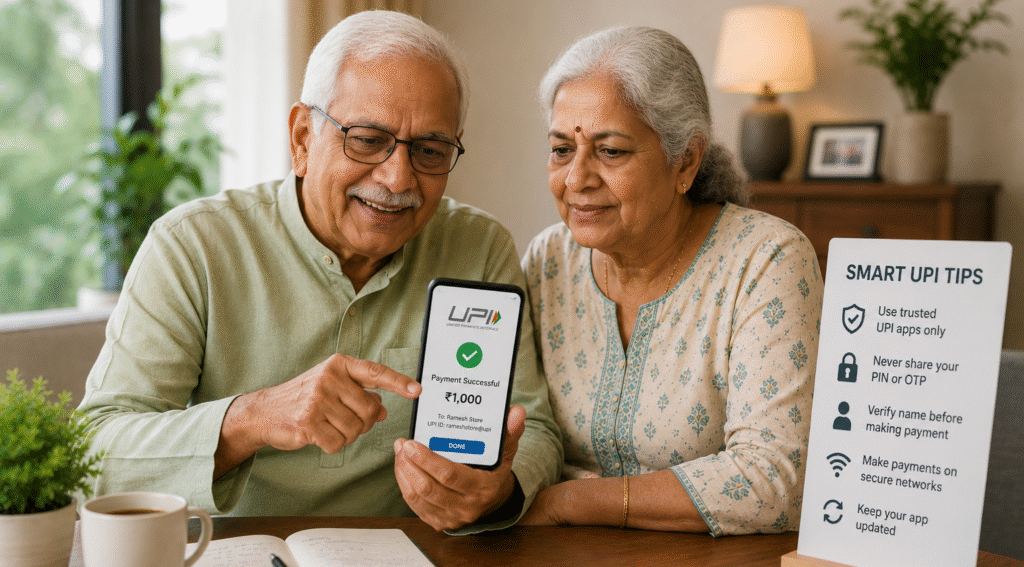
Digital payments have made everyday money transfers much simpler. A phone can now be used to pay at a local shop, settle a bill, send money to another person, or complete an online purchase without reaching for cash.
UPI, debit cards, credit cards, digital wallets, internet banking, and mobile banking each have their own place. What works best depends on the type of transaction and the user’s preferences.
The important part is using these options thoughtfully. Check payment details before approving a transaction, keep sensitive information private, use genuine applications, and be suspicious of unexpected requests.
Digital payments are designed to make life easier. With a little attention to security, they can remain a convenient part of everyday financial life.