

A credit card can be a useful part of everyday money management, but it can also be confusing when you are using one for the first time. You may see terms such as credit limit, billing cycle, minimum payment, annual fee, and interest rate and wonder what they actually mean.
The basic idea is fairly simple. A credit card allows you to borrow money from the card issuer when you make a purchase. You then repay that amount later. If you understand how the repayment system works and keep track of your spending, a credit card can be easier to manage.
The difficult part is knowing which card makes sense for you. Different cards are designed for different spending habits. Some offer rewards on shopping, some focus on travel, while others may have features related to fuel, dining, or everyday purchases.
Before applying for a card, it is worth understanding the basics.
What Is a Credit Card?

A credit card is a payment card issued by a bank or financial institution. The issuer gives you a predetermined credit limit, which is the maximum amount you can generally borrow through the card at one time.
For example, suppose your credit limit is ₹50,000. You can make eligible purchases up to that limit, provided you have enough available credit.
Unlike a debit card, the money does not normally come directly from your bank account when you make the purchase. You are using a line of credit provided by the card issuer.
You later receive a statement showing your transactions and the amount you need to repay.
How Does a Credit Card Work?
Using a credit card usually follows a simple cycle.
You make purchases during the billing period. The card issuer records those transactions and prepares a statement at the end of the billing cycle. The statement shows the total amount due and the payment due date.
You then make a payment according to the card’s terms.
For example, imagine you use your card for groceries, online shopping, and a restaurant during the month. Those transactions are added to your statement. If your total spending is ₹8,000, the statement may show ₹8,000 as the total amount due.
If you pay the required amount by the due date, your account remains in good standing. Depending on the card’s terms, paying the full statement balance may also help you avoid interest on eligible purchases.
This is why understanding the billing cycle is important before using a credit card regularly.
What Is a Credit Limit?
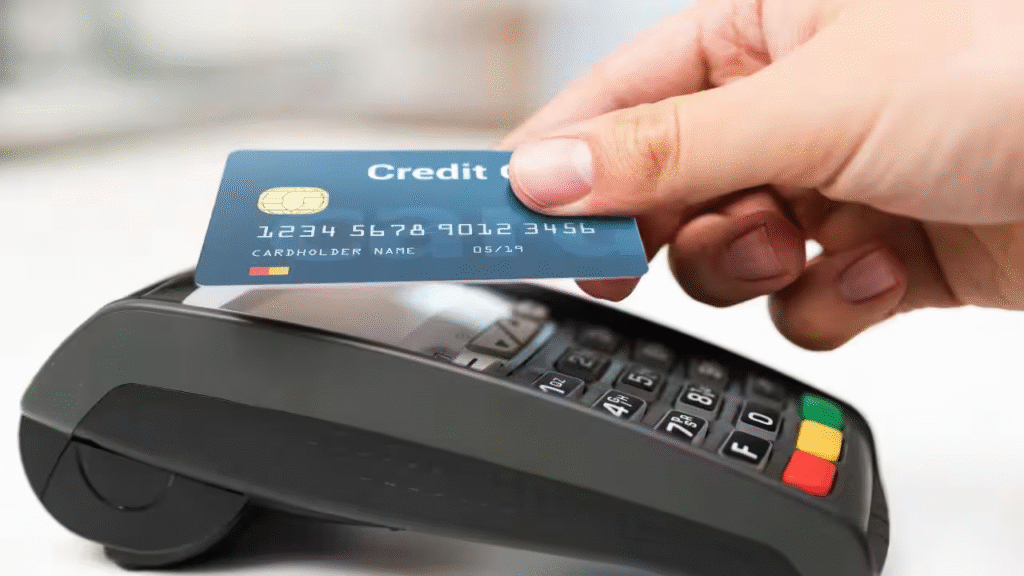
A credit limit is the maximum amount of credit available to you on your card.
The limit can differ from one person to another. The issuer may consider factors such as income, credit history, existing obligations, and its own eligibility criteria when deciding the limit.
Suppose your card has a ₹30,000 limit and you have already spent ₹10,000. You would generally have ₹20,000 of available credit remaining, subject to pending transactions and the issuer’s rules.
A higher limit does not mean you should spend more. Your spending should still be based on what you can comfortably repay.
What Is a Billing Cycle?
A billing cycle is the period during which your card transactions are collected before the statement is generated.
The exact dates depend on the card issuer. Once the billing cycle ends, the issuer prepares your statement.
The statement may include:
- Total amount due
- Minimum amount due
- Payment due date
- Individual transactions
- Applicable fees or charges
- Interest, if applicable
- Available credit or related account information
Checking your statement regularly can help you notice unfamiliar transactions and keep track of your spending.
Total Amount Due vs Minimum Amount Due

This is one of the most important things beginners should understand.
The total amount due is the amount shown on your statement that you are expected to pay according to the billing terms.
The minimum amount due is the smaller amount specified by the card issuer that must be paid by the due date to keep the account from becoming overdue, subject to the card’s terms.
Paying only the minimum amount can leave a balance unpaid. Depending on the card’s terms and the type of transaction, interest and other charges may apply to the outstanding balance.
For this reason, simply seeing a small minimum payment on the statement does not mean the rest of the balance can be ignored.
If you are able to pay the full statement balance, doing so can make credit card management much simpler.
What Is a Credit Card Interest Rate?
If you do not repay certain outstanding amounts as required under the card’s terms, interest may be charged.
Credit card interest rates can be relatively high compared with some other forms of borrowing, so it is important to understand the card’s pricing before applying.
The exact interest rate, calculation method, grace period, and applicable conditions vary between cards and issuers.
Do not choose a credit card only because it offers attractive rewards. A card with excellent rewards may still become expensive if you regularly carry an unpaid balance.
Types of Credit Cards
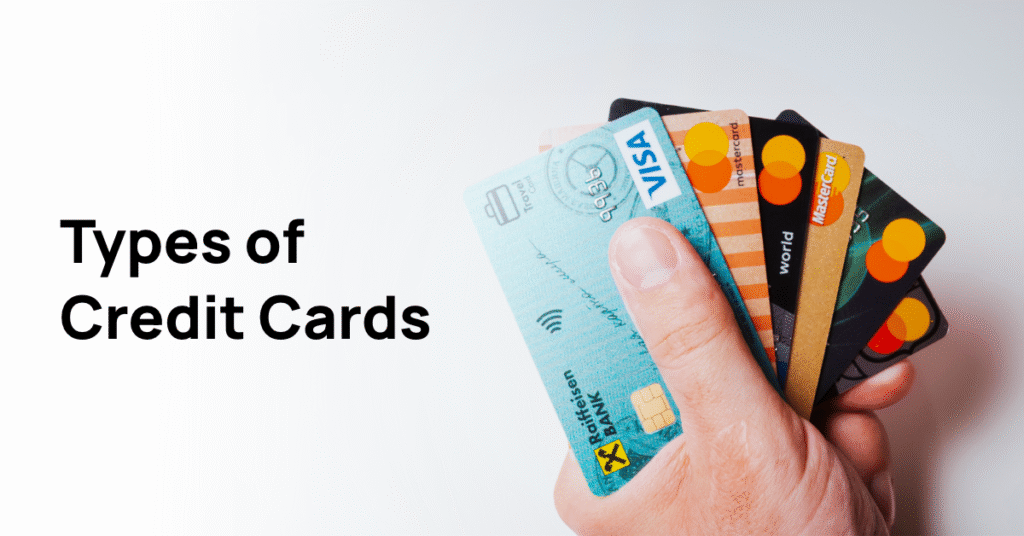
There are many different types of credit cards available. The right category depends on how you normally spend money.
Cashback Credit Cards
Cashback cards return a portion of eligible spending as cashback or a similar benefit.
These cards may appeal to people who frequently use their card for everyday purchases. However, the cashback rate can differ by category, transaction type, and card terms.
Before applying, check whether the cashback applies to the purchases you actually make.
Travel Credit Cards
Travel-focused cards may offer benefits related to flights, hotels, travel bookings, airport services, or reward points.
These can be useful for people who travel regularly. Some cards may also have annual fees or specific conditions attached to travel benefits.
Read the terms carefully rather than assuming every travel purchase receives the same reward.
Fuel Credit Cards
Fuel-oriented cards may provide benefits on eligible fuel transactions.
If you regularly spend on fuel, this type of card may be worth considering. Check the applicable fuel surcharge conditions, reward limits, and exclusions before making a decision.
Rewards Credit Cards
Rewards cards allow you to earn points or other benefits on eligible transactions.
The value of the rewards depends on how they can be redeemed. Some points may be useful for shopping or vouchers, while others may be connected to travel or partner programs.
A large number of reward points does not automatically mean the card is valuable. Always check how easily you can actually use them.
Secured Credit Cards
A secured credit card may be backed by a fixed deposit or another form of security, depending on the issuer and product.
Such cards can be considered by people who have limited credit history or are looking for a way to start building a credit profile, subject to the issuer’s eligibility requirements.
How to Choose a Credit Card

Choosing a card becomes easier when you start with your own spending habits instead of looking at rewards first.
1. Look at Your Regular Expenses
Think about where your money normally goes.
Do you spend more on groceries, online purchases, travel, fuel, dining, subscriptions, or utility bills?
A card is more useful when its benefits match your regular spending.
There is little point in choosing a card with strong travel rewards if you rarely travel.
2. Check the Annual Fee
Some credit cards have an annual or renewal fee, while others may not.
A card with a fee is not necessarily unsuitable, but you should understand what you are receiving in return.
Look at the rewards, discounts, benefits, and conditions and consider whether they are relevant to your spending.
3. Read the Interest and Charges
Do not focus only on the headline reward offer.
Check the interest rate and other charges mentioned in the card’s terms. These may include late payment charges, cash withdrawal charges, foreign transaction fees, or other applicable costs.
Knowing these details before applying can prevent unpleasant surprises later.
4. Understand the Reward Rules
Rewards often come with conditions.
There may be monthly limits, spending requirements, excluded transactions, expiry rules, or different reward rates for different categories.
Read the terms so you know exactly how the reward system works.
5. Check the Credit Limit Carefully
A credit limit should support your spending needs without encouraging unnecessary borrowing.
Remember that the available limit belongs to the credit facility, not to your personal income.
Using a card responsibly means spending within your repayment ability.
6. Look at Extra Benefits
Some cards offer additional features such as discounts, purchase protection, travel-related benefits, lounge access, or partner offers.
These features can be useful, but only if they match your actual lifestyle.
Do not pay a high annual fee for benefits you are unlikely to use.
Credit Cards and Credit Scores
Your credit card usage can be part of your credit history.
Making payments on time and managing credit responsibly can help maintain a positive credit profile. On the other hand, missed payments and excessive borrowing can negatively affect your credit history.
Your credit score is influenced by multiple factors, so one card or one transaction does not tell the entire story.
If you use a credit card, keeping track of payment dates and outstanding balances is a good financial habit.
Common Credit Card Mistakes Beginners Make

Many credit card problems happen because people focus on the convenience of spending and forget about repayment.
Here are some common mistakes to avoid:
- Spending more simply because a credit limit is available.
- Paying only the minimum amount without understanding the consequences.
- Missing the payment due date.
- Ignoring annual fees and other charges.
- Taking cash advances without checking the cost.
- Applying for several cards without considering the overall impact.
- Chasing rewards while spending money unnecessarily.
- Not checking monthly statements.
- Sharing card details or security information with others.
- Assuming every transaction earns the same rewards.
A credit card should make payments more convenient, not become a reason to spend beyond your means.
Credit Card Safety Tips

Online payments have made credit cards convenient, but security is still important.
Never share your PIN, CVV, OTP, password, or other confidential card information with another person. Banks and legitimate financial institutions generally have specific security procedures and should not require you to disclose confidential authentication information through suspicious calls or messages.
Check transaction alerts and review your statement regularly. If you notice a transaction you do not recognize, contact the card issuer through its official customer-service channel.
When shopping online, use trusted websites and avoid entering card information on suspicious pages.
It is also a good idea to keep your contact information updated with your card issuer so that important account alerts reach you.
Should You Have More Than One Credit Card?
Having multiple credit cards is not automatically good or bad. It depends on your financial situation and how well you can manage them.
Some people use different cards for different spending categories. For example, one card may be used for everyday purchases while another may provide travel-related benefits.
However, multiple cards also mean multiple statements, payment dates, fees, and terms to remember.
If managing one card is already difficult, adding more cards may create unnecessary complications.
How to Use a Credit Card Responsibly

Responsible credit card use starts with spending only what you can reasonably repay.
Before making a large purchase, think about whether you could afford it without relying on future income that is uncertain.
Set reminders for payment dates and check your statements every month.
If your card offers rewards, use them as an added benefit rather than as a reason to spend more.
It can also help to keep a simple record of your card purchases. This makes it easier to understand where your money is going and reduces the chance of being surprised when the statement arrives.
Frequently Asked Questions

How to Get a Personal Loan in India
few years ago, I found myself in a position where I needed a significant amount…

Profitable Business Ideas for Students to Earn Money in 2026
I still remember sitting on my twin-sized college bed during my second semester, opening my…
How to Invest in Fixed Deposits in 2026
When I first started earning and saving money, the investment world felt completely overwhelming to…
The Best Stock Market Investment Tips for Beginners in 2026
When I first stepped into the stock market back in 2021, I was convinced I’d…

The Best Apps for Exam Preparation in India
When I first started preparing for competitive exams in India, my study table was a…

How to Start an E-commerce Business in India in 2026
When I took the plunge into online selling in India back in early 2024, my…