

I used to think a Productivity day was a day when I stayed busy from morning to evening.
If I was answering messages, working on documents, checking files, writing something and moving from one task to another, I felt that I had done a lot. But when I stopped at the end of the day and looked back, sometimes there was not much I could point to and say, “Yes, this is actually finished.”
That made me realise that being busy and being Productivity are two different things.
There are days when I finish only a few things, but they are the things that actually needed my attention. Those days usually feel better than the ones where I spend hours jumping between small tasks.
I have started looking at time management in the same way. I don’t think a good routine has to tell me what I should be doing every single minute. Something unexpected will always come up. A task may take longer, a message may need a reply, or I may simply have less energy than I expected.
For me, a useful routine is one that leaves some room for all of that.
Productivity Start With the Important Work

When I have several things to do, the easiest task is often the most tempting one.
I can reply to a message quickly. I can rename a file. I can check something that will take only two minutes. These things feel satisfying because they are finished quickly.
The problem is that the bigger task is still sitting there.
So now, before getting lost in small jobs, I try to look at what actually needs to be finished.
If an article has to be submitted, a presentation needs to be completed, or someone is waiting for a particular piece of work, that should probably come first.
It is not always the most enjoyable task, but finishing it makes the rest of the day easier.
Don’t Fill Your Productivity List With Everything
I have never understood the point of making a Productivity to-do list so long that finishing it is almost impossible.
A long list can look organised when you first write it. Later, it can have the opposite effect. You keep looking at all the unfinished things and start feeling that you are behind.
I prefer writing down the things that genuinely matter that day.
Maybe there are three important Productivity tasks. Maybe there are five. It depends on the day.
Smaller things can be added later if there is time.
I think it is much more useful to finish four meaningful Productivity tasks than to cross off fifteen tiny things just so the list looks impressive.
Stop Moving From One Task to Another

Productivity is probably one of the easiest ways to lose time without noticing.
I can start writing something, see a notification, answer it, open another file, remember another task and then return to my original work.
Technically, I was working the whole time.
But my attention was going everywhere.
The problem is that returning to a task is not always as easy as it sounds. I may have to reread what I wrote or remember what I was planning to do next.
Whenever possible, I prefer staying with one task for a while.
It doesn’t have to be a two-hour session. Sometimes even half an hour of proper attention is enough to make noticeable progress.
Put Your Phone Somewhere You Cannot Keep Checking It
I don’t think the phone itself is the problem. I use mine for work, communication and plenty of normal everyday things.
The problem starts when I check it without even thinking.
One message comes in. I check it. Then I see another notification. Maybe I open an app for a minute. Then I notice something else.
By the time I return to the work in front of me, I have lost the flow.
When I have something that needs concentration, I find it easier to put the phone a little away from my workspace.
I also turn off notifications that I don’t need during work.
If something is genuinely important, I will see it later. I don’t need every small notification to interrupt whatever I am doing.
Don’t Turn Productivity Into Another Complicated Job

Sometimes I see productivity advice that includes so many apps and systems that I start wondering how anyone has time left to work.
There are Productivity task managers, habit trackers, digital planners, timers, calendars and different methods for organising all of them.
They can be useful. But they are not compulsory.
For a normal working day, I can manage quite a lot with a simple list.
I mainly need to know what I have to finish, what comes first and what can wait.
If I spend twenty minutes deciding which app I should use to plan a thirty-minute task, something has gone wrong.
The planning should make the work easier.
Use Your Better Hours for Difficult Work
I have noticed that some work feels much easier at certain times of the day.
When my mind is fresh, writing, planning or learning something new feels more manageable. Later, I may be happy doing things that don’t require as much thinking.
So I wouldn’t put every kind of work into the same part of my day.
If something needs concentration, I would rather handle it when I know I can sit with it properly.
Checking messages, organising files or doing other routine work can usually happen later.
There is no reason to expect the same level of focus from myself all day long.
Don’t Plan Every Minute

A timetable can look very nice until the first thing goes wrong.
Maybe I think something will take thirty minutes and it takes an hour. Maybe I have to stop for a phone call. Maybe I need to find some information before I can continue.
If my entire day is planned minute by minute, one delay can disturb everything that comes after it.
I would rather leave a little space between tasks.
That space is not wasted.
It gives me somewhere to put the extra time when something doesn’t go according to plan.
A routine should help me manage my day, not make me panic every time I fall ten minutes behind.
Take a Break When You Are No Longer Concentrating
Sometimes I know I should be working, but I am not really getting anything done.
I am sitting in front of the screen, reading the same thing again, making small mistakes or staring at a blank document.
At that point, forcing myself to continue is usually not very useful.
I would rather get up for a few minutes.
I can drink water, walk around the room, stretch or simply stop looking at the screen.
The break doesn’t have to be long.
The only thing I try to avoid is opening social media “for a minute” because that can easily become a much longer break than I planned.
Keep Your Workspace Easy to Work In
I don’t think a desk needs to look perfect.
Still, I have noticed that too much mess can make starting work feel harder. When papers are mixed together, files are difficult to find and there are ten unnecessary tabs open, my attention gets pulled in different directions.
I prefer keeping the things I need close by and moving everything else out of the way.
The computer needs the same treatment.
If I save files with names that actually make sense and keep them in the right folders, I don’t have to waste time searching for them later.
A little organisation is useful. Spending half the day organising is not.
Start Before You Feel Completely Ready

Waiting for the perfect mood to work is something I would avoid.
There are days when starting feels easy. There are other days when I would rather keep doing something else.
On those days, I don’t try to think about the whole task.
If I need to write something, I open the document.
Then I put down the heading.
Then I write a few lines.
That is enough to get started.
Once the blank page is no longer blank, the task usually feels less intimidating.
I don’t always need motivation first. Sometimes starting is what creates the motivation to continue.
Make Large Tasks Less Scary
A Productivity task like “finish the project” can feel much bigger than it really is.
The Productivity problem is that it doesn’t tell me what to do.
I would rather break it into smaller pieces.
For example:
- Find the information I need
- Decide what the structure should look like
- Complete the first section
- Work through the remaining sections
- Read everything again
- Make the final corrections
Now I don’t have to carry the entire project in my head.
I only have to think about the next part.
Productivity makes a surprisingly big difference when the work feels overwhelming.
Don’t Let Social Media Decide When You Take a Break
Social media is easy to open when work gets slightly boring.
I might think I will check something quickly and then come straight back. Sometimes that works. Sometimes it doesn’t.
One post leads to another, and suddenly I am still holding the phone while wondering why I opened the app in the first place.
I don’t think I need to stop using social media.
I just prefer deciding when to use it rather than letting boredom make the decision for me.
If I have something important to finish, I would rather complete that first and then take some time to scroll without feeling that I am avoiding work.
Look at Where Your Time Is Actually Going
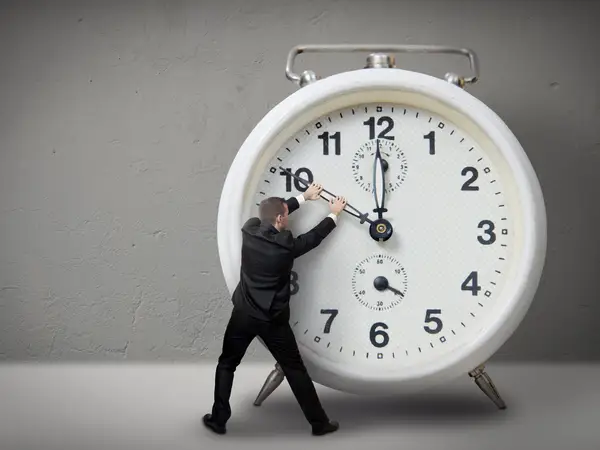
Sometimes I feel like I have not had enough time during the day.
When that happens, I think it is worth looking at what I actually spent the time doing.
Not in a strict way. Just honestly.
Maybe I checked my phone too often. Maybe I spent too long looking for a file. Maybe I kept restarting a task instead of finishing it.
Small things don’t feel important when they happen once.
But if they happen ten times during the Productivity day, they start taking up a noticeable amount of time.
Finding those little gaps can be more useful than trying to wake up an hour earlier just to create more working time.
Give Tomorrow a Small Head Start
Before finishing work, I like knowing what I will probably start with the next day.
It doesn’t need to be a detailed plan.
I might look at what is unfinished, keep a document open or write one small note about what needs to happen next.
That is usually enough.
The next day starts differently when I already know where to begin.
Instead of spending the first part of the morning trying to remember what I was doing yesterday, I can get into the work more quickly.
Don’t Treat Rest Like Lost Time
There is a point Productivity where working longer doesn’t mean getting more done.
When I am tired, I take longer to understand things. I make silly mistakes. Sometimes I read the same sentence several times and still don’t remember it.
That is usually a sign that I need a break, not another cup of Productivity motivation.
Sleep matters too.
If I regularly stay up late trying to finish everything, the next day can become harder because I am starting it already tired.
Getting enough rest is not separate from productivity. It affects how well I can actually work.
A Productivity Routine I Could Actually Follow

If I had to keep my daily Productivity routine simple, it would probably look something like this.
I would begin by checking what needs to be finished.
Then I would choose the task that matters most and work on it before getting caught up in small things.
During focused work, I would keep unnecessary notifications away.
After finishing something that requires concentration, I could move to easier work or take a short break.
Before ending the day, I would look at what is left and decide what needs to come first tomorrow.
Nothing fancy.
Just a Productivity routine that I can actually follow on a normal day.
A Few Productivity Habits I Would Leave Behind
Productivity are some things I would try not to make part of my normal workday.
I wouldn’t start the Productivity morning by scrolling through social media before deciding what I need to do.
I wouldn’t create a huge Productivity list just because it looks organised.
I wouldn’t keep five tasks open because I was afraid I might forget one.
And I wouldn’t keep working late simply because I didn’t finish everything on my list.
There will always be something left.
That Productivity doesn’t automatically mean the day was unproductive.
Final Thoughts on Productivity
I don’t think the goal of productivity should be to fill every hour with something.
There are Productivity days when a lot gets done, and there are days when things move more slowly. That is going to happen no matter how good the routine is.
What matters more to me is knowing what deserves my attention and not allowing every little thing to pull me away from it.
I would rather finish the important work and have some energy left than spend the entire day being busy and end it wondering where the time went.
A shorter Productivity list helps. Keeping the phone away helps. Taking breaks helps. So does simply starting a task instead of waiting until I feel completely ready.
None of these Productivity things are complicated.
And I don’t think they need to be.
A productivity routine should make everyday work feel a little easier to handle. It should give me some direction without making me feel like I am failing whenever the day changes.
For me, that is a much more useful way to think about productivity: do the work that matters, give it your attention, and leave enough room in the day to still be a person when the work is over.
Frequently Asked Questions
1. What are some simple ways to improve productivity?
Start with the most important task, keep your daily list manageable, reduce distractions and give one task your full attention.
2. How can I stay focused while working?
Keep unnecessary notifications off, put your phone away when possible and avoid switching between different tasks too often.
3. Is multitasking good for productivity?
Constantly switching between tasks can make it harder to concentrate. Working on one task at a time can make it easier to finish important work.
4. How can I manage my time better?
Set realistic priorities, leave some free time between tasks and avoid planning every minute of your day. A little flexibility can make your routine easier to follow.
5. What should I do when I have too much work?
Write everything down, decide what actually needs to be completed first and then work through one task at a time. You do not have to finish everything at once.

How to Get a Personal Loan in India
few years ago, I found myself in a position where I needed a significant amount…

Profitable Business Ideas for Students to Earn Money in 2026
I still remember sitting on my twin-sized college bed during my second semester, opening my…

How to Invest in Fixed Deposits in 2026
When I first started earning and saving money, the investment world felt completely overwhelming to…
The Best Stock Market Investment Tips for Beginners in 2026
When I first stepped into the stock market back in 2021, I was convinced I’d…
The Best Apps for Exam Preparation in India
When I first started preparing for competitive exams in India, my study table was a…

How to Start an E-commerce Business in India in 2026
When I took the plunge into online selling in India back in early 2024, my…