

The business world continues to evolve rapidly, and 2026 is shaping up to be more competitive and technology-driven than ever before. Companies and professionals are constantly searching for ways to improve efficiency, increase profits, and stay ahead in changing markets. At the same time, productivity has become one of the most valuable skills for entrepreneurs, employees, and business leaders alike.
Success in modern business is no longer only about working harder. It is about working smarter, adapting quickly, and managing time effectively. Businesses that focus on productivity are more likely to grow sustainably because they reduce wasted effort and improve performance across all areas.
Whether you run a small business, work as a freelancer, manage a team, or plan to start a company in 2026, understanding productivity and business strategies is essential for long-term success.
Focus on Clear Business Goals
One of the biggest reasons businesses struggle is the lack of clear direction. Without goals, teams lose focus and productivity decreases. Successful businesses in 2026 are expected to prioritize clear, measurable objectives.
Setting specific goals helps businesses track progress and make better decisions. Instead of vague targets like “grow the business,” successful entrepreneurs define precise goals such as increasing revenue by a certain percentage or improving customer retention rates.
Clear goals also improve team motivation because employees understand what they are working toward. When everyone shares the same vision, productivity naturally increases.
Breaking large goals into smaller tasks makes them easier to manage and less overwhelming. This approach helps businesses maintain steady progress over time.
Prioritize Time Management
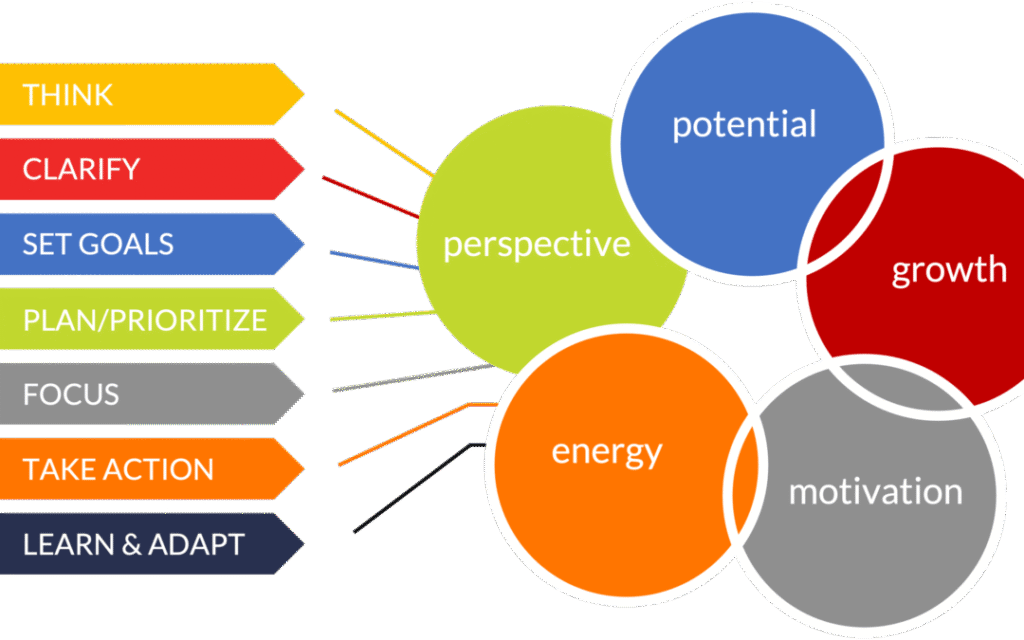
Time is one of the most valuable resources in business. Poor time management often leads to missed opportunities, unfinished projects, and unnecessary stress.
In 2026, productivity will depend heavily on how effectively people manage their schedules. Successful professionals understand the importance of planning their days carefully.
Using task lists, calendars, and scheduling tools can significantly improve organization. Prioritizing important tasks before less critical activities helps maintain focus and efficiency.
Avoiding multitasking is another important productivity tip. While many people believe multitasking saves time, it often reduces concentration and increases mistakes. Focusing on one task at a time usually produces better results.
Embrace Technology and Automation
Technology continues to transform the way businesses operate. Automation tools, artificial intelligence, and digital systems are helping companies complete tasks faster and more accurately.
Businesses that adapt to modern technology are likely to gain a competitive advantage in 2026. Automation can reduce repetitive manual work, allowing teams to focus on more important responsibilities.
For example, businesses can automate email marketing, scheduling, customer support, invoicing, and data management. This not only saves time but also improves overall productivity.
However, technology should support productivity rather than create distractions. Choosing the right tools and systems is essential for maintaining efficiency.
Improve Communication Within Teams
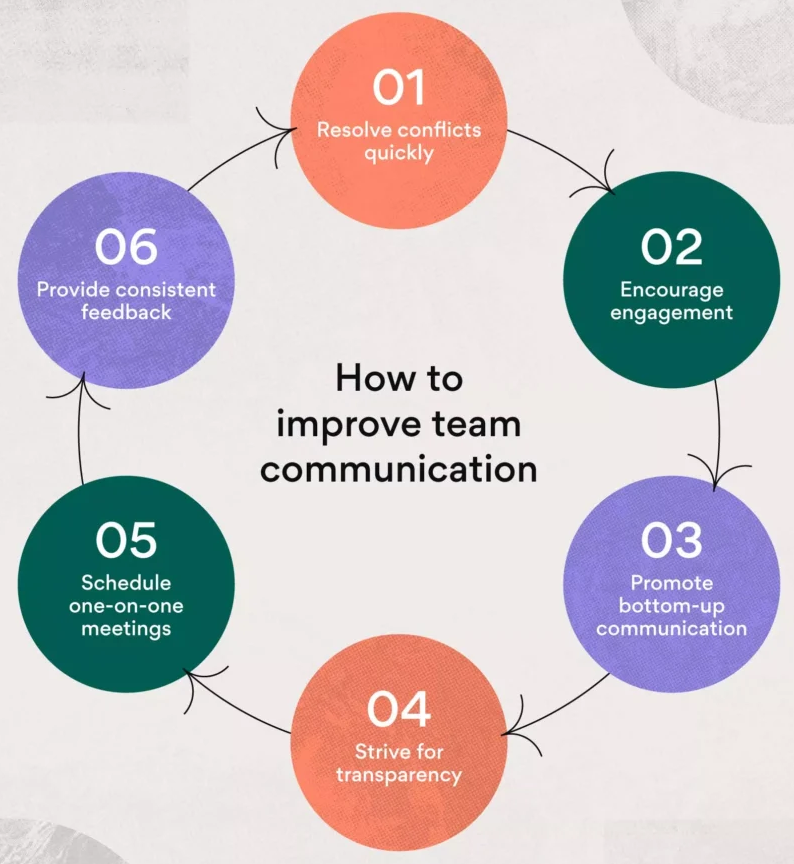
Strong communication is one of the foundations of successful businesses. Poor communication often causes confusion, delays, and misunderstandings that reduce productivity.
In modern workplaces, especially remote and hybrid environments, communication has become even more important. Teams need clear systems for sharing information, assigning tasks, and solving problems quickly.
Regular meetings, clear instructions, and open feedback help create a productive work environment. Employees should feel comfortable asking questions and sharing ideas.
Listening is equally important. Business leaders who actively listen to employees often identify problems earlier and improve team morale.
Build Consistent Daily Habits
Productivity is not built through occasional motivation. It comes from consistent daily habits. Small actions repeated every day create long-term business success.
Successful entrepreneurs often follow routines that help them stay organized and focused. This may include planning tasks each morning, reviewing goals regularly, or setting specific work hours.
Healthy habits also influence productivity. Proper sleep, exercise, and breaks improve concentration and energy levels. Businesses are increasingly recognizing that employee well-being directly affects performance.
Consistency is especially important during challenging periods. Businesses that maintain discipline during difficult times are more likely to succeed in the long run.
Learn to Delegate Effectively
Many business owners struggle because they try to do everything themselves. While hard work is important, attempting to handle every task often leads to burnout and lower productivity.
Delegation allows businesses to operate more efficiently. Assigning tasks to capable team members frees up time for leadership, strategy, and growth-focused activities.
Effective delegation requires trust and clear communication. Employees need proper guidance and expectations to complete tasks successfully.
Delegating does not mean losing control. It means focusing your energy where it creates the most value.
Stay Adaptable in a Changing Market

The business environment changes constantly due to technology, customer behavior, and economic conditions. Companies that resist change often fall behind competitors.
Adaptability is one of the most valuable business skills for 2026. Successful businesses monitor trends, listen to customer feedback, and adjust strategies when necessary.
This does not mean following every trend blindly. Instead, it means staying informed and making smart decisions based on market needs.
Flexible businesses recover faster from setbacks and take advantage of new opportunities more effectively.
Focus on Customer Experience
Customers play the biggest role in business success. Even the best products or services struggle without positive customer experiences.
Businesses that prioritize customer satisfaction often build stronger reputations and long-term loyalty. In 2026, customer expectations will continue to rise, especially in online markets.
Responding quickly to inquiries, solving problems professionally, and maintaining product quality are essential practices. Businesses that genuinely care about customers often receive more referrals and repeat sales.
Listening to customer feedback also helps improve products and services over time.
Avoid Burnout and Overworking
Many people associate business success with constant work and long hours. However, overworking often decreases productivity rather than improving it.
Burnout affects focus, creativity, and decision-making. Businesses that encourage balance and proper rest usually perform better over time.
Taking breaks, setting boundaries, and maintaining personal time are important for long-term productivity. Successful professionals understand that sustainable performance matters more than temporary overwork.
Mental health and productivity are closely connected. A healthy mind leads to better business decisions and stronger leadership.

Continue Learning and Improving Skills
Business and productivity strategies evolve constantly. Professionals who stop learning often struggle to remain competitive.
Continuous learning is essential for growth in 2026. This may involve reading books, taking online courses, attending workshops, or learning from industry experts.
Improving skills such as leadership, communication, digital marketing, and financial management increases business opportunities.
Learning also builds confidence. The more knowledge and experience you gain, the better prepared you become for challenges and opportunities.
Use Data to Make Better Decisions
Modern businesses have access to more data than ever before. Successful companies use this information to improve productivity and make smarter decisions.
Tracking sales, customer behavior, website performance, and employee productivity helps identify strengths and weaknesses.
Data-driven decisions reduce guesswork and improve efficiency. Instead of relying entirely on assumptions, businesses can make informed choices based on real information.
However, data should support strategy, not replace human judgment entirely.
Develop Strong Leadership Skills
Leadership directly affects business productivity and workplace culture. Strong leaders motivate teams, solve problems effectively, and create positive work environments.
Good leadership involves communication, responsibility, decision-making, and emotional intelligence. Employees are more productive when they feel respected and supported by leadership.
In 2026, leadership will become even more important as workplaces continue adapting to digital and remote work environments.
Successful leaders focus not only on results but also on helping their teams grow and improve.
F&Q

How to Get a Personal Loan in India
few years ago, I found myself in a position where I needed a significant amount…

Profitable Business Ideas for Students to Earn Money in 2026
I still remember sitting on my twin-sized college bed during my second semester, opening my…

How to Invest in Fixed Deposits in 2026
When I first started earning and saving money, the investment world felt completely overwhelming to…

The Best Stock Market Investment Tips for Beginners in 2026
When I first stepped into the stock market back in 2021, I was convinced I’d…

The Best Apps for Exam Preparation in India
When I first started preparing for competitive exams in India, my study table was a…

How to Start an E-commerce Business in India in 2026
When I took the plunge into online selling in India back in early 2024, my…