

In today’s fast-paced world, productivity is more important than ever. Businesses and individuals alike are constantly searching for ways to work smarter, streamline tasks, and achieve better results in less time. Artificial Intelligence (AI) and automation have emerged as powerful solutions to meet these demands. These technologies are transforming how we approach work, enabling us to handle repetitive tasks efficiently and focus on higher-value activities.
This article explores essential AI and automation tools that can significantly boost productivity. Whether you’re a business leader looking to optimize operations or a professional seeking personal efficiency, understanding and leveraging these tools can provide a competitive edge.
Why AI and Automation Matter for Productivity
Before diving into specific tools, it’s important to understand why AI and automation are game changers for productivity.
- Reducing Manual Work: AI-powered automation takes over repetitive, time-consuming tasks such as data entry, scheduling, and customer service. This frees up human resources to focus on strategic, creative, or complex work.
- Increasing Accuracy: Automation minimizes human error, especially in tasks that involve data processing or calculations, ensuring higher quality outcomes.
- Speeding Up Processes: AI can analyze large volumes of data and make decisions faster than humans, accelerating workflows and reducing delays.
- Enhancing Decision-Making: Many AI tools provide insights based on data patterns and trends, helping individuals and businesses make informed decisions quickly.
- Enabling Scalability: Automated processes can handle growing workloads without proportional increases in staff, making scaling operations more efficient.
With these benefits in mind, let’s explore some of the most effective AI and automation tools available today.
1. AI-Powered Project Management Tools
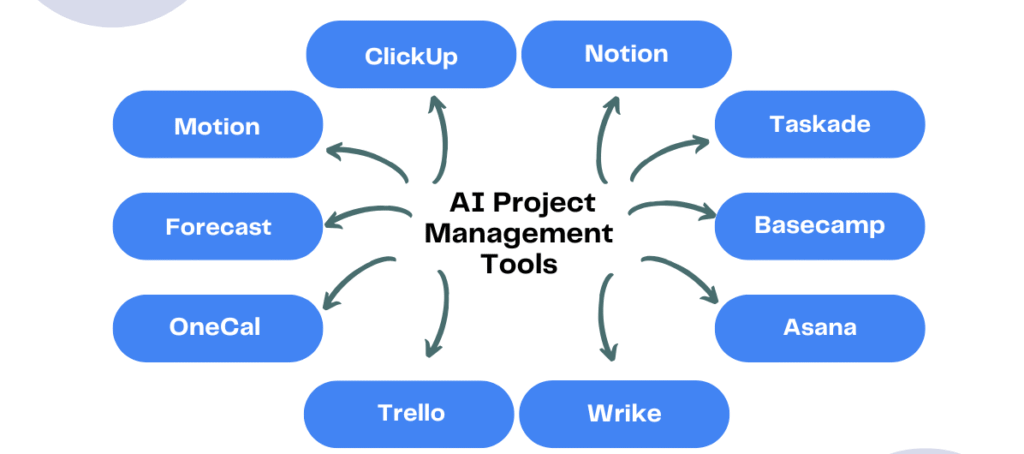
Managing projects efficiently requires organization, collaboration, and timely follow-ups. AI-enhanced project management software can automate task assignments, track progress, and predict potential bottlenecks.
- Monday.com and Asana use AI to prioritize tasks and suggest deadlines based on team performance.
- ClickUp offers automation features that trigger actions such as status updates or notifications without manual input.
These tools reduce administrative overhead and ensure projects stay on track, which is critical for productivity.
2. Automated Scheduling Assistants
Scheduling meetings and appointments can consume a significant portion of the workday. AI-driven scheduling assistants simplify this by coordinating calendars, suggesting optimal times, and sending invites automatically.
- Calendly and x.ai analyze everyone’s availability and preferences to find meeting slots without back-and-forth emails.
- These tools also integrate with video conferencing platforms like Zoom, making the setup seamless.
Automated scheduling saves time and avoids conflicts, especially for teams working across different time zones.
3. AI Writing and Content Generation Tools
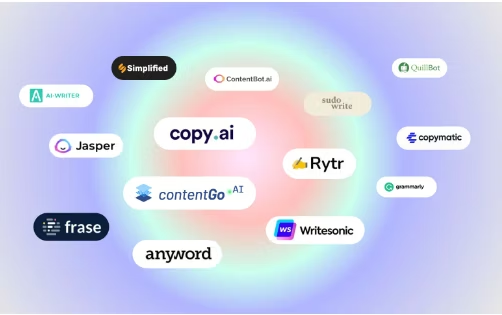
Creating high-quality content requires creativity and time. AI writing assistants can help by generating drafts, suggesting improvements, and automating routine writing tasks.
- Grammarly is a popular AI tool that not only corrects grammar and spelling but also offers style and clarity suggestions.
- Jasper.ai (formerly Jarvis) can create marketing copy, blog posts, and social media content based on user inputs.
- QuillBot helps with paraphrasing, summarizing, and rewriting text, making content creation more efficient.
These tools reduce writer’s block and improve the speed and quality of writing projects.
4. Customer Service Automation
Customer service is vital but often involves repetitive inquiries that can overwhelm human agents. AI-powered chatbots and virtual assistants can handle routine questions, freeing up support teams to focus on complex issues.
- Zendesk Answer Bot and Intercom provide automated responses and route tickets intelligently.
- Drift offers conversational marketing bots that qualify leads and schedule meetings automatically.
Automated customer service improves response times and customer satisfaction while reducing operational costs.
5. Data Analysis and Visualization Tools
Data is a key asset, but analyzing it manually is time-consuming and prone to errors. AI-driven data analysis tools can process large datasets quickly, identify patterns, and generate actionable insights.
- Tableau and Power BI combine automation with AI to create interactive dashboards and predictive analytics.
- Google Analytics uses machine learning to highlight important website trends and anomalies automatically.
These tools help decision-makers focus on interpreting results rather than gathering and cleaning data, accelerating the decision-making process.
6. Email Management and Automation
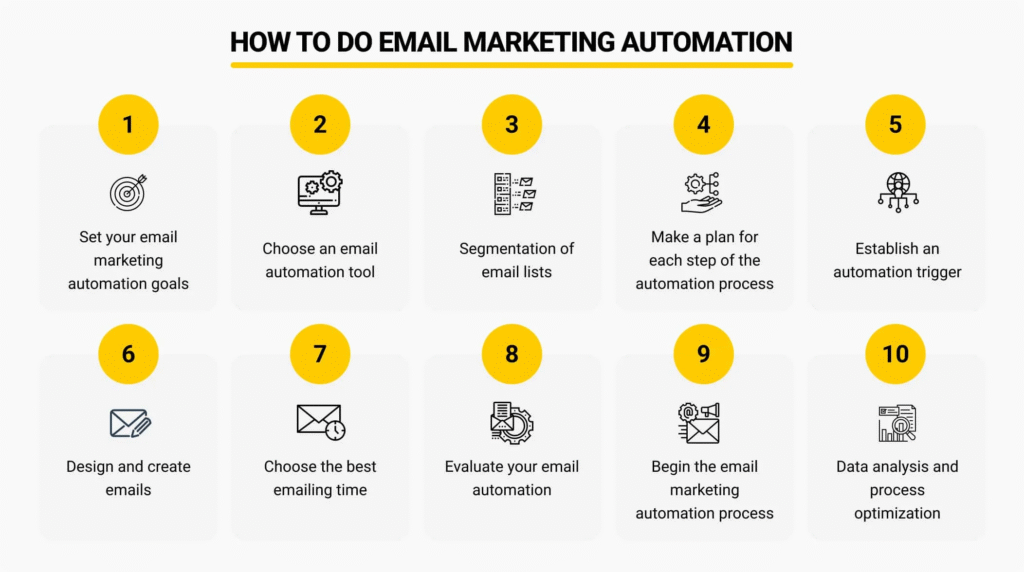
Emails can be a major distraction and time sink. AI-powered email management tools sort, prioritize, and even draft responses to help users maintain inbox zero and stay focused.
- Superhuman uses AI to prioritize important emails and suggest quick replies.
- Boomerang offers scheduling and follow-up reminders, while its AI assistant can help craft better emails.
- Mailchimp automates email marketing campaigns based on user behavior and preferences.
Automated email management reduces time spent on routine correspondence and enhances communication effectiveness.
7. Workflow Automation Platforms
Platforms that connect different applications and automate workflows can greatly enhance productivity by reducing manual data transfer and repetitive tasks.
- Zapier and Integromat (Make) allow users to create custom workflows that link apps like Gmail, Slack, Google Sheets, and more.
- These platforms can automate tasks such as saving email attachments, posting updates to social media, or syncing customer data between systems.
Workflow automation platforms enable teams to focus on creative and strategic work instead of administrative tasks.
8. Time Tracking and Productivity Monitoring

Understanding how time is spent is crucial for improving productivity. AI-powered time tracking tools provide insights into work habits and suggest ways to optimize focus.
- Toggl Track and RescueTime automatically track time spent on various activities and generate detailed reports.
- AI algorithms identify distractions and recommend breaks to maintain optimal productivity levels.
Time tracking tools help individuals and teams identify inefficiencies and make data-driven improvements.
9. Virtual Collaboration and Communication Tools
Remote work and distributed teams require effective communication and collaboration tools. AI features in these platforms improve meeting efficiency and project coordination.
- Microsoft Teams and Slack offer AI-powered message prioritization, automated reminders, and transcription services.
- Otter.ai provides real-time meeting transcriptions, making documentation easier and more accurate.
These tools reduce communication friction and ensure teams stay aligned and productive.
How to Choose the Right AI and Automation Tools
With so many options available, selecting the right tools can feel overwhelming. Here are some tips to guide your decision:
- Identify Pain Points: Analyze which tasks consume the most time or cause the most errors in your workflow.
- Set Clear Goals: Define what you want to achieve with automation, such as saving time, improving accuracy, or enhancing collaboration.
- Evaluate Ease of Use: Choose tools that integrate smoothly with your existing systems and are user-friendly to minimize disruption.
- Consider Scalability: Pick solutions that can grow with your needs and handle increasing complexity or volume.
- Test and Iterate: Many tools offer free trials; use these to assess the impact on your productivity before committing.
Conclusion
AI and automation tools are no longer futuristic concepts; they are essential components of modern productivity. By automating repetitive tasks, providing valuable insights, and enhancing collaboration, these technologies empower individuals and organizations to achieve more in less time.
From project management and scheduling to writing, customer service, and data analysis, adopting the right AI and automation tools can transform your workflow. The key is to choose tools that align with your specific needs and learning to use them effectively.
Embracing AI and automation is not about replacing human effort but augmenting it—enabling you to focus on creativity, strategy, and innovation. As these technologies continue to evolve, they will play an even greater role in shaping productive, efficient, and successful work environments.
Start exploring these tools today and unlock your full productivity potential.
FAQ’s
How to Get a Personal Loan in India
few years ago, I found myself in a position where I needed a significant amount…

Profitable Business Ideas for Students to Earn Money in 2026
I still remember sitting on my twin-sized college bed during my second semester, opening my…

How to Invest in Fixed Deposits in 2026
When I first started earning and saving money, the investment world felt completely overwhelming to…

The Best Stock Market Investment Tips for Beginners in 2026
When I first stepped into the stock market back in 2021, I was convinced I’d…

The Best Apps for Exam Preparation in India
When I first started preparing for competitive exams in India, my study table was a…

How to Start an E-commerce Business in India in 2026
When I took the plunge into online selling in India back in early 2024, my…