

In today’s fast-paced business environment, maximizing productivity is more crucial than ever. As we move through 2024, businesses face new challenges and opportunities driven by technological advances, changing workforce dynamics, and evolving customer expectations. To stay competitive and achieve sustainable growth, companies must focus on strategies that enhance productivity across all levels.
This comprehensive guide will explore practical and effective ways to maximize productivity in your business in 2024. From leveraging technology and optimizing workflows to fostering a productive culture and supporting employee well-being, these insights will help you unlock your business’s full potential.
1. Embrace Digital Transformation
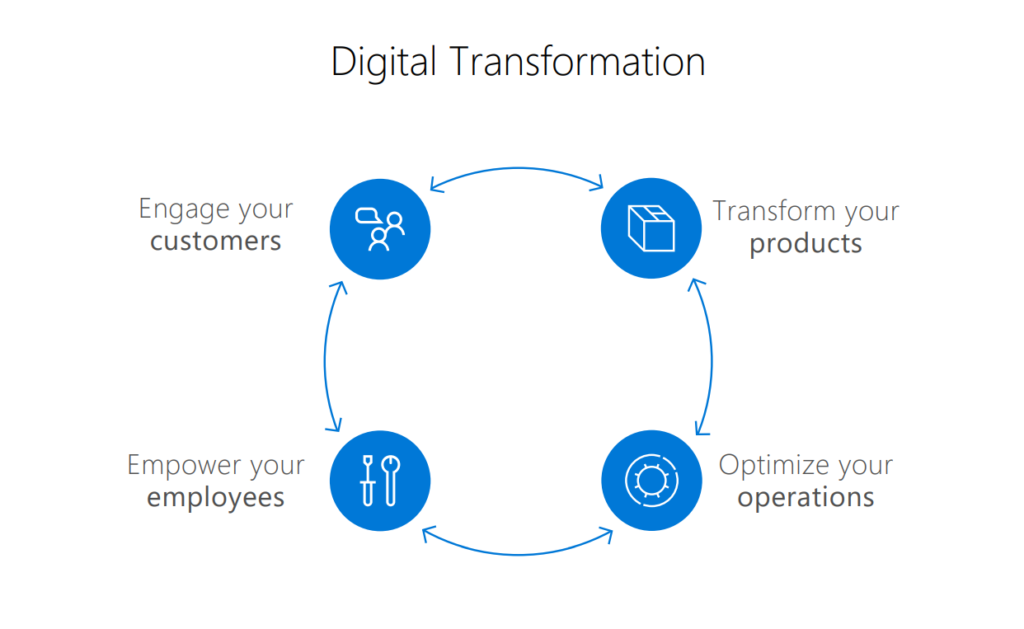
One of the most significant drivers of productivity in 2024 is digital transformation. Integrating modern technology into your business processes can streamline operations, reduce manual tasks, and improve decision-making.
- Automation: Implementing automation tools for repetitive tasks such as invoicing, customer support, and inventory management frees up employee time for more strategic work.
- Cloud Computing: Cloud-based platforms enable real-time collaboration, remote access, and scalable resources, which enhance flexibility and efficiency.
- Data Analytics: Using analytics tools allows businesses to gather insights on customer behavior, sales trends, and operational performance, enabling better-informed decisions.
- Artificial Intelligence: AI-powered applications can optimize supply chains, personalize marketing, and improve customer service.
Investing in the right technology tailored to your business needs is essential for boosting productivity while reducing errors and operational costs.
2. Optimize Workflow and Processes
Efficient workflows are the backbone of a productive business. Evaluate your current processes regularly to identify bottlenecks and areas for improvement.
- Process Mapping: Document your workflows to visualize each step and identify redundancies or delays.
- Lean Principles: Apply lean management techniques to eliminate waste and focus on value-adding activities.
- Standard Operating Procedures (SOPs): Develop clear SOPs to ensure consistency and reduce confusion among team members.
- Project Management Tools: Use tools like Asana, Trello, or Monday.com to track progress, assign tasks, and manage deadlines.
Streamlining workflows not only speeds up operations but also improves quality and employee satisfaction by reducing frustration.
3. Foster a Culture of Productivity

A productive business culture starts with leadership and permeates through every employee. Creating an environment where productivity is valued and supported leads to better outcomes.
- Clear Goals: Set specific, measurable, attainable, relevant, and time-bound (SMART) goals for teams and individuals.
- Open Communication: Encourage transparency and regular feedback to address issues promptly and maintain alignment.
- Recognition and Rewards: Acknowledge employee achievements to motivate continued high performance.
- Empowerment: Give employees autonomy and authority to make decisions within their roles, fostering ownership and accountability.
When employees feel supported and engaged, they are more likely to contribute effectively and innovate.
4. Prioritize Employee Well-being
Productivity is closely linked to employee well-being. Overworked or stressed employees are less efficient and more prone to errors.
- Work-Life Balance: Encourage flexible working hours and remote work options to help employees manage personal and professional responsibilities.
- Mental Health Support: Provide access to counseling services, stress management resources, and mental health days.
- Physical Health Initiatives: Promote regular breaks, ergonomic workspaces, and wellness programs to maintain physical health.
- Training and Development: Invest in skill-building opportunities that boost confidence and job satisfaction.
Supporting your workforce holistically creates a positive environment where productivity can thrive sustainably.
5. Leverage Remote and Hybrid Work Models
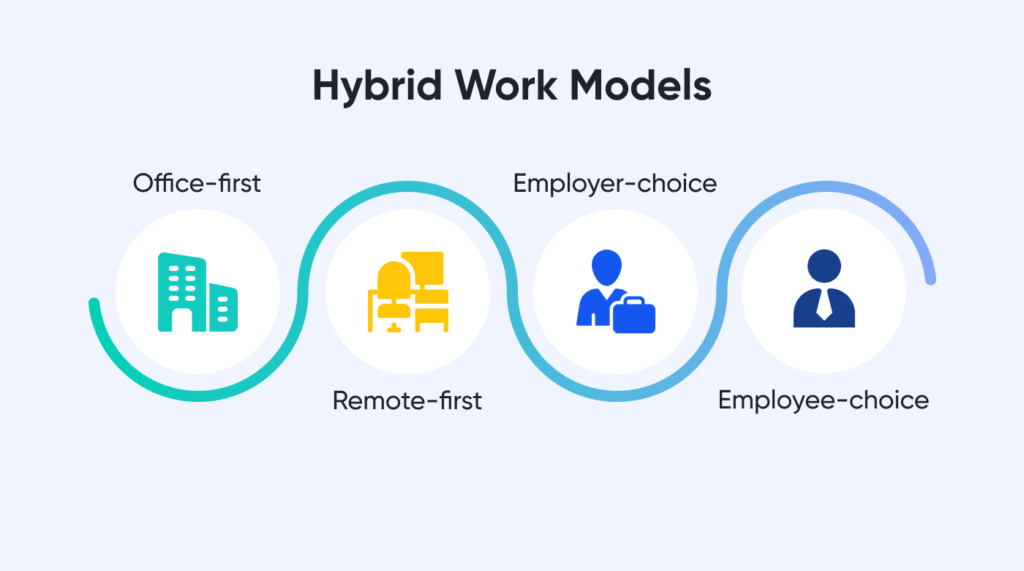
The pandemic accelerated the adoption of remote and hybrid work models, which remain relevant in 2024. These models can enhance productivity if managed correctly.
- Set Clear Expectations: Define working hours, communication protocols, and performance criteria.
- Use Collaboration Tools: Platforms like Zoom, Slack, and Microsoft Teams facilitate virtual meetings and teamwork.
- Maintain Regular Check-ins: Managers should schedule frequent one-on-one and team meetings to monitor progress and address concerns.
- Encourage Social Connection: Virtual coffee breaks or team-building activities help maintain morale and reduce isolation.
When implemented thoughtfully, remote and hybrid work arrangements offer flexibility that can increase employee satisfaction and productivity.
6. Invest in Continuous Learning
The business landscape is constantly evolving, making lifelong learning essential for maintaining productivity.
- Training Programs: Offer regular training on new tools, industry trends, and soft skills.
- Mentorship: Establish mentorship programs to develop talent and share knowledge.
- Encourage Curiosity: Promote a culture where employees are encouraged to seek new information and experiment with ideas.
- Access to Resources: Provide subscriptions to online courses, webinars, and industry publications.
A well-informed and skilled workforce is better equipped to adapt and perform efficiently.
7. Implement Effective Time Management Techniques

Time management is a critical component of productivity. Equip your team with techniques to manage their time effectively.
- Prioritization: Use methods like the Eisenhower Matrix to focus on urgent and important tasks.
- Time Blocking: Allocate specific time slots for different activities to reduce multitasking and distractions.
- Pomodoro Technique: Encourage working in focused intervals with short breaks to maintain concentration.
- Limit Meetings: Streamline meetings to essential participants and strict agendas to respect time.
Teaching employees to manage their time well results in higher output and less burnout.
8. Utilize Outsourcing and Delegation
Recognizing that you cannot do everything in-house is vital for maximizing productivity.
- Outsource Non-Core Tasks: Functions like payroll, IT support, or content creation can be outsourced to specialists.
- Delegate Appropriately: Assign tasks to team members based on their strengths and workload.
- Focus on Core Competencies: Allow leadership and key employees to concentrate on strategic initiatives.
Effective outsourcing and delegation free up resources and improve overall efficiency.
9. Measure and Analyze Performance
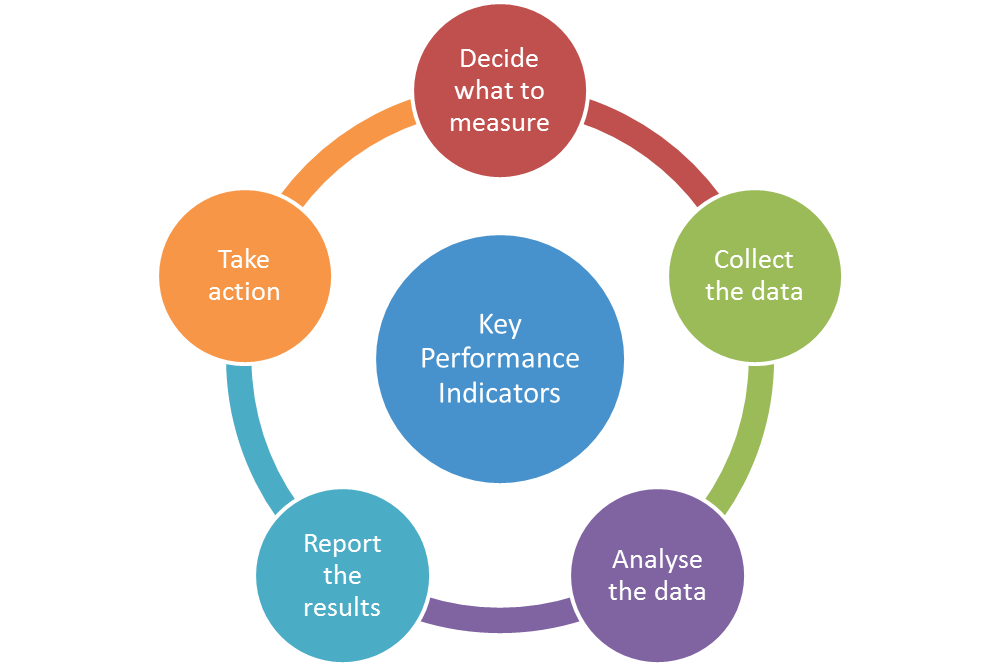
To sustain productivity improvements, businesses must track and analyze performance regularly.
- Key Performance Indicators (KPIs): Define KPIs that align with business goals such as sales targets, customer satisfaction, or production rates.
- Real-Time Dashboards: Use software that provides instant insights into business metrics.
- Regular Reviews: Conduct performance reviews to discuss progress, challenges, and opportunities for growth.
- Data-Driven Decisions: Use analytics to identify trends and make informed adjustments.
Consistent measurement ensures that productivity efforts are on track and continuously refined.
10. Foster Innovation and Adaptability
Innovation drives productivity by introducing new ways of working and solving problems.
- Encourage Idea Sharing: Create channels for employees to propose improvements and innovations.
- Pilot Projects: Test new ideas on a small scale before wider implementation.
- Stay Agile: Be ready to pivot strategies based on market changes or internal feedback.
- Invest in Research and Development: Dedicate resources to exploring new technologies and methods.
A culture that embraces innovation and adaptability stays ahead of the curve and maintains high productivity levels.
Conclusion
Maximizing productivity in your business in 2024 requires a holistic and proactive approach. Embracing digital transformation, optimizing workflows, nurturing a supportive culture, and prioritizing employee well-being are all essential components. Additionally, adapting to modern work models, investing in continuous learning, managing time effectively, and fostering innovation will help your business thrive in an ever-changing landscape.
By integrating these strategies, you can unlock your team’s full potential, enhance operational efficiency, and drive sustainable growth. The key is to remain flexible, listen to your employees, and leverage technology smartly. With dedication and thoughtful implementation, 2024 can be your most productive year yet.
FAQ’a
How to Get a Personal Loan in India
few years ago, I found myself in a position where I needed a significant amount…

Profitable Business Ideas for Students to Earn Money in 2026
I still remember sitting on my twin-sized college bed during my second semester, opening my…

How to Invest in Fixed Deposits in 2026
When I first started earning and saving money, the investment world felt completely overwhelming to…

The Best Stock Market Investment Tips for Beginners in 2026
When I first stepped into the stock market back in 2021, I was convinced I’d…

The Best Apps for Exam Preparation in India
When I first started preparing for competitive exams in India, my study table was a…

How to Start an E-commerce Business in India in 2026
When I took the plunge into online selling in India back in early 2024, my…