

Running a successful business today requires more than simply offering great products or services. Companies and professionals must also learn how to work efficiently, manage time effectively, and create systems that support continuous growth. Business productivity has become one of the most important factors that separates companies that struggle from those that expand consistently.
Growth and efficiency are closely connected. When productivity improves, businesses can achieve better results with fewer resources, lower operational costs, and stronger overall performance. At the same time, growth strategies help organizations expand their customer base, increase revenue, and create long-term sustainability.
The challenge many businesses face is balancing these two goals. Focusing only on growth can create chaos, while focusing only on efficiency can slow innovation. The most successful businesses combine both approaches to create systems that support sustainable success.
Understanding the Relationship Between Business Growth and Productivity
Business growth and productivity are often viewed as separate concepts, but they influence each other significantly. Productivity allows businesses to maximize available resources, while growth creates opportunities for expansion and increased profitability.
A productive business completes tasks faster, reduces unnecessary expenses, improves communication, and increases output. These improvements create a stronger foundation for growth because resources are being used effectively.
Without productivity, rapid growth can create operational problems. Similarly, high productivity without growth strategies can limit business potential. Combining both creates stronger and more sustainable results.
Creating Clear Goals and Strategic Direction
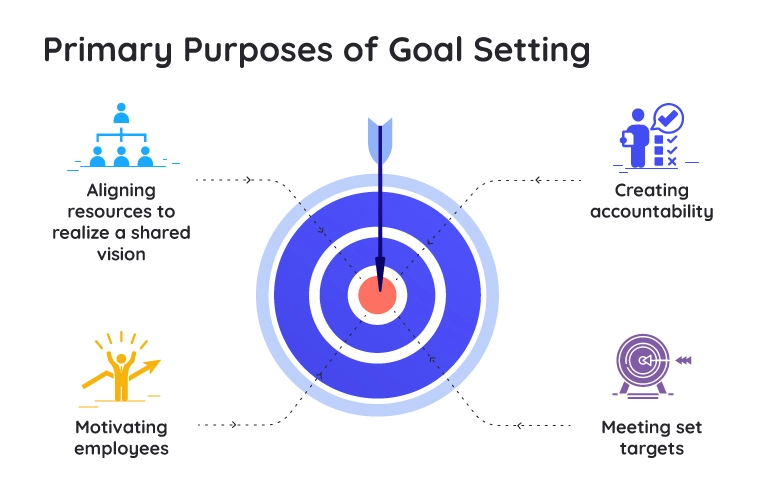
Many businesses experience slow growth because they lack clear objectives. Teams work hard but often focus on activities that do not contribute directly to long-term success.
Setting clear goals creates direction. Businesses should establish measurable objectives that align with both growth and productivity targets. These goals provide employees with a better understanding of priorities and expected outcomes.
Clear objectives also improve decision-making. When businesses know exactly what they want to achieve, it becomes easier to allocate resources, prioritize projects, and measure progress.
Strategic planning should not be overly complicated. Even simple, clearly defined goals often produce better results than complex strategies without execution.
Improving Time Management Across Teams
Time is one of the most valuable resources within any business. Poor time management often leads to missed opportunities, delayed projects, and lower productivity.
Improving time management begins with identifying activities that consume unnecessary resources. Meetings without clear objectives, repetitive tasks, and constant interruptions often reduce efficiency significantly.
Businesses that prioritize time management create better workflows and stronger operational systems. Teams become more focused, deadlines become easier to achieve, and productivity naturally increases.
Effective scheduling also helps employees maintain better concentration. Structured workflows reduce confusion and allow individuals to focus on high-value tasks.
Building Efficient Systems and Processes
Growth becomes difficult when businesses rely entirely on manual work and inconsistent processes. Efficient systems allow organizations to scale operations without increasing complexity.
Standardized workflows create consistency. Employees understand expectations, tasks become easier to complete, and mistakes occur less frequently.
Automation also plays an important role in improving efficiency. Repetitive activities such as reporting, scheduling, customer communication, and data management can often be simplified through automation.
Efficient processes reduce wasted effort while allowing teams to focus on activities that generate higher value.
Prioritizing High-Impact Activities
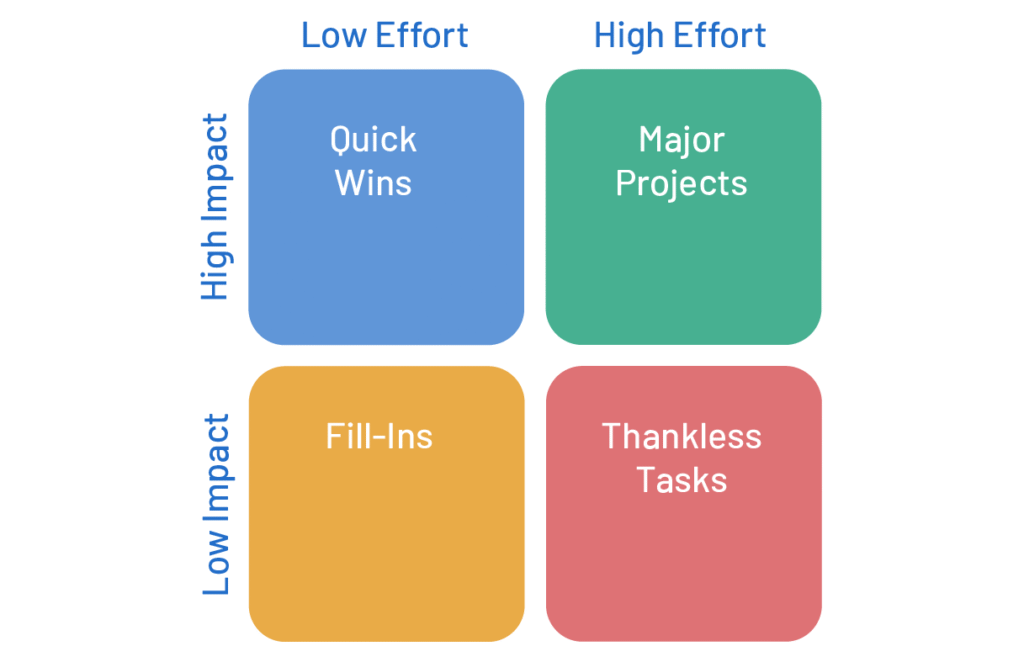
Not every task contributes equally to business success. Some activities generate substantial results, while others create minimal impact despite consuming significant resources.
Businesses that improve productivity often focus heavily on prioritization. Identifying high-impact activities allows teams to spend more time on work that directly supports growth objectives.
This approach requires continuous evaluation. Businesses should regularly analyze which activities generate revenue, improve customer satisfaction, or create measurable progress.
Eliminating unnecessary work creates additional capacity for strategic activities that support expansion and long-term success.
Strengthening Communication Within the Organization
Communication problems are one of the largest causes of inefficiency in many organizations. Misunderstandings, unclear instructions, and poor collaboration often create delays and reduce productivity.
Strong communication creates alignment. Employees understand goals more clearly, teams collaborate more effectively, and projects move faster.
Transparency also supports productivity. When information flows efficiently between departments, businesses avoid duplication and improve decision-making.
Organizations that encourage open communication often experience stronger teamwork and higher overall performance.
Leveraging Technology for Better Productivity
Modern businesses have access to tools that significantly improve efficiency. Technology allows companies to manage projects, analyze data, automate tasks, and improve communication.
The goal is not simply adopting more technology but using technology strategically.
Businesses should focus on tools that solve real problems. Systems that simplify operations often create greater productivity improvements than complex platforms with unnecessary features.
Technology also improves scalability. As businesses grow, digital systems make it easier to manage larger workloads without dramatically increasing operational complexity.
Developing a Productivity-Focused Culture

Productivity is not created only through tools and processes. Company culture also influences how efficiently teams perform.
Organizations that encourage accountability, continuous improvement, and collaboration often experience stronger results.
Employees perform better when they understand how their work contributes to larger business goals. Recognition, feedback, and clear expectations help maintain motivation and improve performance.
A productivity-focused culture encourages individuals to look for improvements rather than simply completing assigned tasks.
Businesses that invest in employee development often benefit from stronger innovation, higher engagement, and improved efficiency.
Using Data to Support Better Decisions
Businesses that rely entirely on assumptions often struggle to optimize performance. Data provides valuable insights that improve decision-making and productivity.
Measuring performance helps identify strengths and weaknesses. Businesses can evaluate productivity levels, customer behavior, operational efficiency, and growth opportunities.
Data-driven decisions reduce uncertainty. Instead of guessing which strategies will work, businesses can focus on approaches supported by measurable results.
Regular analysis also supports continuous improvement because organizations can identify changing trends and adjust strategies accordingly.
Managing Growth Without Losing Efficiency
Growth creates opportunities, but it also creates challenges. Expanding too quickly without proper systems can reduce productivity and create operational problems.
Sustainable growth requires preparation. Businesses must ensure that processes, teams, and resources can support expansion before scaling aggressively.
Maintaining efficiency during growth often requires ongoing adjustments. Systems that worked for smaller operations may need modification as businesses expand.
Organizations that scale gradually while maintaining strong operational control often experience more stable long-term success.
Adapting to Changing Business Environments
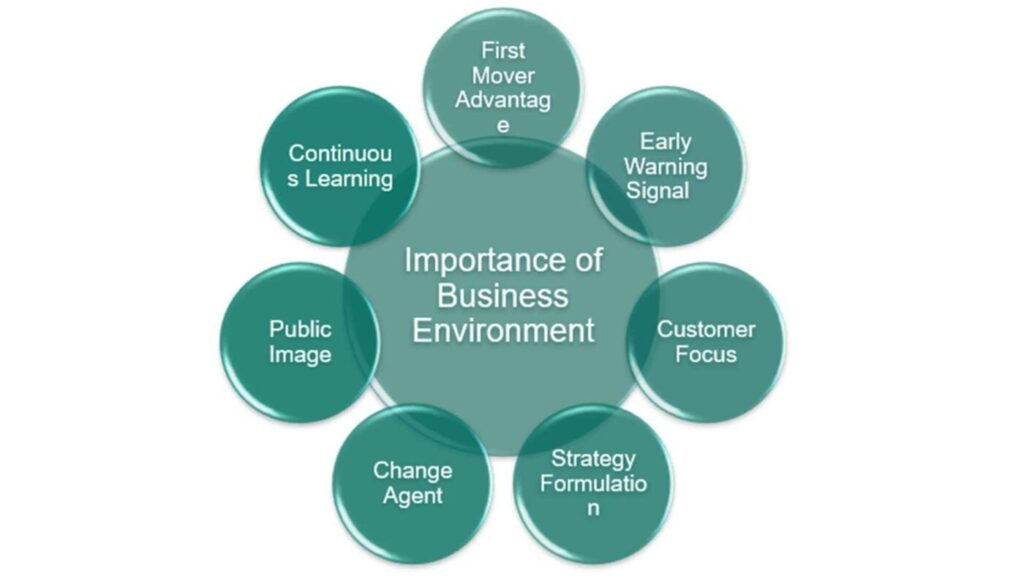
Markets continue changing rapidly due to technology, consumer behavior, competition, and economic conditions.
Businesses that remain flexible often perform better because they can adapt quickly when conditions change.
Adaptability supports both productivity and growth. Teams become better prepared to handle challenges while businesses identify new opportunities faster.
Continuous learning and experimentation help organizations remain competitive while improving operational performance.
Companies that resist change often struggle because outdated systems eventually reduce efficiency and limit growth potential.
FAQ’s
1. Why are business productivity strategies important?
They help improve efficiency, reduce costs, and increase growth.
2. How can productivity improve business growth?
Higher productivity allows businesses to achieve more with fewer resources.
3. What is the biggest productivity challenge for businesses?
Poor time management and inefficient processes.
4. How can businesses become more efficient?
By improving workflows, using technology, and prioritizing important tasks.
5. Can small businesses benefit from productivity strategies?
Yes, productivity strategies help businesses of all sizes grow faster.
How to Get a Personal Loan in India
few years ago, I found myself in a position where I needed a significant amount…

Profitable Business Ideas for Students to Earn Money in 2026
I still remember sitting on my twin-sized college bed during my second semester, opening my…

How to Invest in Fixed Deposits in 2026
When I first started earning and saving money, the investment world felt completely overwhelming to…

The Best Stock Market Investment Tips for Beginners in 2026
When I first stepped into the stock market back in 2021, I was convinced I’d…

The Best Apps for Exam Preparation in India
When I first started preparing for competitive exams in India, my study table was a…

How to Start an E-commerce Business in India in 2026
When I took the plunge into online selling in India back in early 2024, my…