

The landscape of professional and creative work is evolving at an unprecedented pace. Advancements in automated workflows, artificial intelligence, and specialized software mean that the skills required to stay competitive cannot remain stagnant. Upskilling is no longer a periodic career checkpoint; it is a continuous necessity.
To build valuable expertise, relying solely on random internet searches or unstructured videos is highly inefficient. Mastering a high-income skill requires the right ecosystem—a combination of industry-standard tools and high-quality, structured tutorials.
Technical Skills: Software and Data Architecture
The backbone of modern business relies on cloud infrastructure, data analysis, and intelligent software automation. For individuals looking to build deep technical expertise, specific ecosystems dominate the professional landscape.
Cloud Computing and Infrastructure Management
The ability to manage scalable cloud environments remains one of the most profitable technical skill sets globally. The standard platforms for enterprise systems are Amazon Web Services (AWS) and Microsoft Azure.
- The Primary Tool: AWS Management Console / Azure Portal. For infrastructure automation, Terraform has become the essential industry tool, allowing developers to write code that automatically configures cloud resources.
- Expert-Recommended Tutorials: For foundational learning, the AWS Certified Cloud Practitioner and AZ-900 Microsoft Azure Fundamentals tracks on Pluralsight are highly structured. Pluralsight is uniquely valuable because it utilizes isolated cloud sandboxes. This means you can practice configuring actual virtual servers and networks in a risk-free, simulated environment without risking unexpected financial charges on a personal credit card.
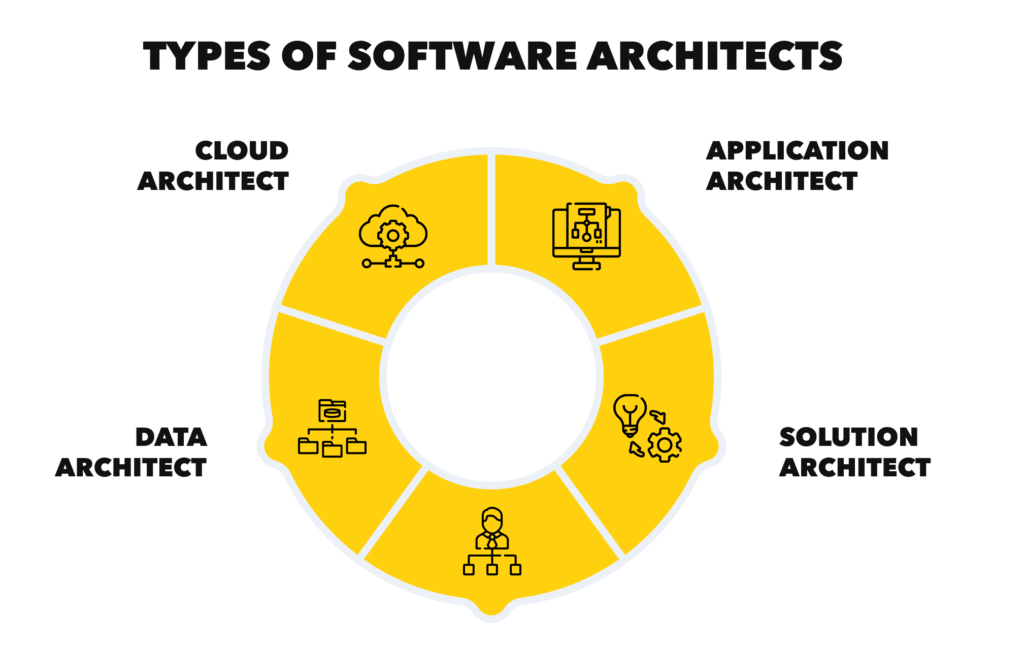
Advanced Development and AI Architecture
Standard programming has shifted heavily toward system integration, type-safe development, and working alongside AI-assisted environments.
- The Primary Tools: Visual Studio Code remains the undisputed environment for writing code, enhanced by GitHub Copilot for contextual logic generation. On the frontend, developers are heavily shifting to TanStack Query for seamless data caching and ShadCN combined with Tailwind CSS for rapid user interface construction. For connecting large language models to external data sources, learning the Model Context Protocol (MCP) is becoming a critical asset.
- Expert-Recommended Tutorials: For modern full-stack web development, the documentation and structured paths provided directly by TanStack and ShadCN offer the cleanest blueprints. For deep software engineering and machine learning principles, Coursera’s partnerships with institutions like Stanford University—specifically their Machine Learning Specialization—provide rigorous, mathematically sound foundations that go far beyond surface-level coding syntax.
Creative Skills: Interface Design and Visual Communication
As digital interfaces become increasingly complex, the demand for sophisticated visual assets, motion design, and intuitive user experiences is at an all-time high. Creative professionals must master tools that bridge the gap between imagination and functional production code.
Product Design and Prototyping
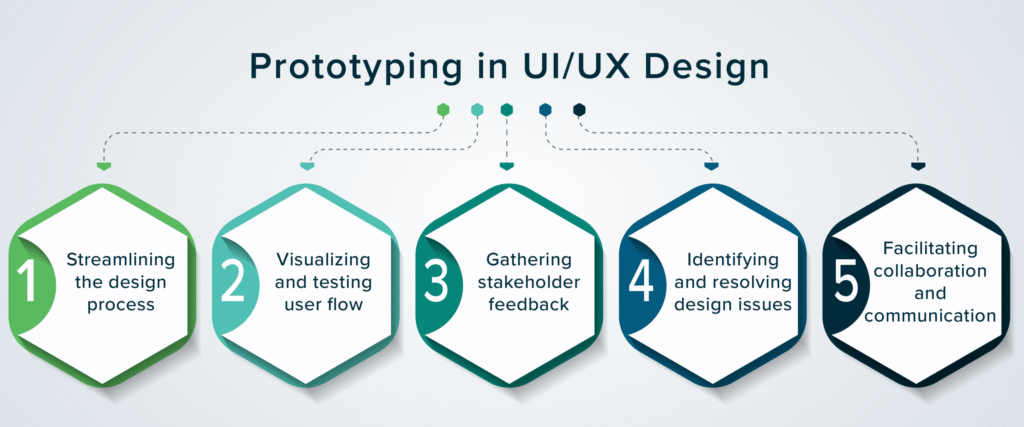
Modern user experience (UX) and user interface (UI) design have moved entirely away from static layouts. Interfaces must be dynamic, collaborative, and deeply researched.
- The Primary Tools: Figma is the definitive workspace for interface design, allowing real-time collaboration between designers and engineers. To translate these design layouts into live, interactive websites without writing manual frontend code, Framer has become an incredibly powerful tool for designers looking to ship high-end portfolios and landing pages independently. For collecting quantitative data on how users interact with prototypes, Maze acts as the primary tool for user testing.
- Expert-Recommended Tutorials: Rather than browsing generic design videos, look to Skillshare’s project-based tracks. Look specifically for UI/UX bootcamps taught by active product design leads. These tutorials force you to create actual wireframes, conduct mock user interviews through Maze, and build components in Figma. The hands-on project portfolio you build during these classes is far more valuable than a generic completion certificate.
3D Visuals and Dynamic Motion Design

Flat, two-dimensional design is increasingly being replaced by spatial, tactile imagery and micro-interactions that make websites feel responsive and alive.
- The Primary Tools: Spline has democratized 3D design by allowing creators to build interactive 3D elements entirely inside a web browser without the steep hardware and learning curves of traditional software. For motion, Adobe After Effects combined with the Lottie file framework allows animators to export lightweight, high-performance animations that load instantly on mobile applications and websites.
- Expert-Recommended Tutorials: The official learning hubs for Spline and LottieFiles offer some of the highest-quality, free guided paths available. They provide step-by-step documentation on how to build interactive assets, trigger animations based on user scrolling behaviors, and cleanly embed the final results into web projects.
Strategy and Leadership: Managing Modern Workflows
Hard technical and creative skills lose their impact if they are not backed by elite organization, data literacy, and clear communication. Building skills in operational management ensures projects are delivered on time and within scope.
Project Frameworks and Workflow Automation
Modern project management requires moving away from messy spreadsheets and chaotic email threads into organized, transparent digital ecosystems.
Expert-Recommended Tutorials: The Google Project Management Professional Certificate hosted on Coursera is the industry benchmark for learning these methodologies. This curriculum takes three to six months to complete and teaches structural competencies like scope management, managing sprint retrospectives, and agile life cycles. It translates theoretical corporate organization into practical skills that can save companies immense amounts of wasted time.
The Primary Tools: Notion serves as the ultimate corporate knowledge hub for documentation, project briefs, and research tracking. For complex, multi-layered software and product deployment timelines, GitLab and traditional agile tracking boards are standard.
A Structured Framework for Skill Acquisition
Having access to these world-class tools and structured tutorials is only half the battle. The final hurdle is implementing a personal framework that ensures you actually retain the information and build genuine capability.
To maximize your learning efficiency, apply the following operational cycle:
- Deconstruct the Skill: Break the field down into its smallest components. If you are learning cloud computing, do not try to master the entire ecosystem at once. Focus entirely on understanding virtual private networks first, then move to database management, and then to cloud security.
- The 80/20 Practice Ratio: Spend twenty percent of your allocated time reading documentation or watching highly rated tutorials. Spend the remaining eighty percent of your time building, breaking, and fixing projects. True cognitive retention happens when you run into errors and force yourself to find the solutions independently.
- Build a Public Artifact: The absolute proof of skill mastery is a tangible project. Whether it is a functioning full-stack application hosted on GitHub, a fully tested interactive prototype on Figma, or a published case study, a public portfolio acts as an undeniable resume that proves your competence to the professional world.
FAQ’s
1. Why are skill-building tools important?
They help you learn faster, practice effectively, and improve your knowledge consistently.
2. Which online platforms are best for learning new skills?
Popular options include online courses, video tutorials, educational websites, and interactive learning apps.
3. How do I choose the right learning tool?
Select tools based on your goals, skill level, budget, and preferred learning style.
4. Are free tutorials effective for skill development?
Yes, many free tutorials provide valuable knowledge and practical guidance for beginners and professionals alike.
5. How often should I practice a new skill?
Regular practice, even for a short time each day, leads to steady improvement and better results.
How to Get a Personal Loan in India
few years ago, I found myself in a position where I needed a significant amount…

Profitable Business Ideas for Students to Earn Money in 2026
I still remember sitting on my twin-sized college bed during my second semester, opening my…

How to Invest in Fixed Deposits in 2026
When I first started earning and saving money, the investment world felt completely overwhelming to…

The Best Stock Market Investment Tips for Beginners in 2026
When I first stepped into the stock market back in 2021, I was convinced I’d…

The Best Apps for Exam Preparation in India
When I first started preparing for competitive exams in India, my study table was a…

How to Start an E-commerce Business in India in 2026
When I took the plunge into online selling in India back in early 2024, my…