

Money Management has a funny way of disappearing.
At the beginning of the month, everything seems under control. I know roughly how much money I have, what bills need to be paid, and what I want to save. Then a few days pass. There is some shopping, a meal outside, an online order, a payment I had forgotten about, and suddenly I start wondering where so much of the money went.
I think this is where money management becomes important.
For me, managing money is not about becoming extremely strict with every rupee. I still want to buy things I like, go out sometimes, and spend money without feeling guilty about every small purchase. The difference is that I want to know whether I can actually afford those things.
I have also realised that saying “I will save whatever is left” does not work very well. Usually, by the time the month is ending, there is not much left to save.
A better approach is to understand your own spending Money Management habits first. Once you know where your money normally goes, making a budget and setting financial goals becomes much easier.
1. First, Find Out Where Your Money Goes

Before trying to save more money, I think it is worth spending a little time watching your own spending.
You do not have to start with a complicated financial app. For a month, simply write down your expenses somewhere you will remember to check.
It can be something as small as a cup of coffee, a quick snack, an auto ride, an online order or a subscription renewal. Individually, these expenses may not look important.
But when I look at several small expenses together, the picture can be quite different.
This is one of those habits that sounds boring but can actually teach you a lot about your money. You may discover that you are spending more on food outside, shopping, travel or subscriptions than you had imagined.
And once you know that, you can decide what you actually want to change.
2. Make a Money Management Budget Around Your Real Life
I do not think a useful budget should look perfect.
If you make a plan that leaves no room for normal spending, you may follow it for a few days and then give up completely. Real life includes birthdays, travel, family expenses, unexpected purchases and days when you simply want to enjoy yourself.
So instead of asking, “How can I spend as little as possible?”, I would ask, “How much can I comfortably spend after taking care of the important things?”
Start with your income.
Then think about rent or household expenses, bills, food, travel, loan payments and other things that have to be paid. After that, decide what amount can reasonably go toward savings and personal spending.
The numbers will be different for everyone. There is no single budget that works for every person.
3. Save Before the Money Gets Used Somewhere Else For Money Management

This is one Money Management habit I would definitely recommend.
If I tell myself that I will save at the end of the month, there are too many opportunities to spend the money before then.
Something always comes up.
That is why putting some money aside soon after receiving income can make saving feel much easier. It does not have to be a huge amount. Even a small regular amount is better than waiting for the “perfect” month when you suddenly have lots of money left over.
You can keep your savings separate from your everyday spending money. Seeing less money available in the account you normally use can also make you think twice before buying something unnecessary.
4. Build an Emergency Fund Slowly For Money Management

I used to think an emergency fund was something you built only after you started earning a lot.
Actually, I think starting small makes more sense.
Unexpected expenses do not wait until you are financially prepared. A medical expense, urgent travel, a repair or a temporary loss of income can happen at an inconvenient time.
Having some money kept aside for situations like these can make things less stressful.
You do not need to Money Management a huge amount immediately. Start with an amount that does not disturb your necessary expenses and add to it whenever you can.
The main idea is to keep this Money Management for actual emergencies instead of using it for ordinary shopping or entertainment.
5. Think Twice Before Using a Credit Card
A credit card can make buying things very easy.
That is useful sometimes, but it can also make it easier to spend more than planned because the money does not leave your account immediately.
Whenever I think about buying something with credit, I would rather ask myself one simple question:
If I had to pay for this from my bank account today, would I still buy it?
If the answer is no, maybe the purchase can wait.
It is also important to know your payment due dates and understand the charges that may apply if you do not pay as required. Credit should not be treated as extra income.
Having a credit limit does not mean you have that much money to spend.
6. Give Yourself a Little Time Before Buying Things

Online shopping has made impulse buying much easier.
You see something interesting, add it to the cart and suddenly you are checking out. Sometimes the item is genuinely useful. Other times, I think we simply like the idea of owning it at that moment.
One small habit that can help is waiting.
If I am not sure about something, I can leave it in the cart and come back later. Sometimes, after a day or two, I do not feel the same need to buy it.
Before ordering, I also like to think about whether I already have something similar.
A discount is not really saving money if you did not need the product in the first place.
7. Learn to Tell the Difference Between a Need and a Want For Money Management
Money Management does not mean you should never buy things you want.
Of course, we all spend money on things that are not necessities. There is nothing wrong with that.
The problem is when wants start taking money away from things that actually matter.
Money Management example, buying something because you need it is different from buying it simply because it is on sale. Ordering food because you are genuinely unable to cook is different from ordering it every other day without thinking about the cost.
I find that asking myself “Do I need this right now?” creates a small pause before spending.
Sometimes that pause is enough.
8. Stop Using Other People’s Lifestyle as Your Financial Standard
Money Management has become much harder because of social media.
Every day, we see people travelling, shopping, eating at expensive restaurants, changing phones and buying new clothes.
It can make normal life look boring.
But we only see a small part of someone else’s life. We do not know their income, savings, family responsibilities, loans or debts.
So I do not think someone else’s spending should decide what my financial life should look like.
If I am comfortable with my expenses and slowly building savings, that is more useful to me than trying to match somebody else’s lifestyle.
9. Keep Separate Money for Important Goals


I think Money Management becomes easier when the money has a purpose.
“I need to save more” is a good thought, but it is quite vague.
“I want to save for an emergency fund” or “I want to have enough money for a course next year” gives the saving a reason.
You can have different goals depending on your situation.
Maybe you are saving for education, a vehicle, travel, a future home, a family expense or simply more financial security.
Once you have a goal, break it into smaller amounts. A large target can feel difficult, but a monthly amount feels much more manageable.
10. Plan for Expenses That You Know Are Coming
Some expenses are not really unexpected. We just forget to prepare for them.
Festivals, annual insurance payments, college fees, travel, repairs, birthdays and yearly subscriptions can all require extra money.
If you know something is coming a few months from now, there is no reason to wait until the last moment.
For example, if I know I will need a certain amount after several months, I can start keeping a little money aside every month.
When the expense finally arrives, it does not feel like such a shock.
11. Do Not Ignore Small Amounts
Sometimes we think financial planning only matters when we are dealing with large amounts of money.
I do not think that is true.
Small amounts can tell you a lot about your habits.
If you regularly spend money on things you do not really care about, those little expenses can add up. On the other hand, putting aside a small amount regularly can slowly create a useful saving habit.
The point is not that every small expense is bad. It is about knowing which small expenses are actually worth it to you.
12. Be Careful When Your Income Increases
Getting a salary increase or earning more money is obviously a good thing.
But it is easy for spending to increase at the same time.
A better phone, more shopping, more eating outside, more subscriptions—the extra money can disappear surprisingly quickly.
I think it is worth enjoying some of the increase, but not all of it has to become extra spending.
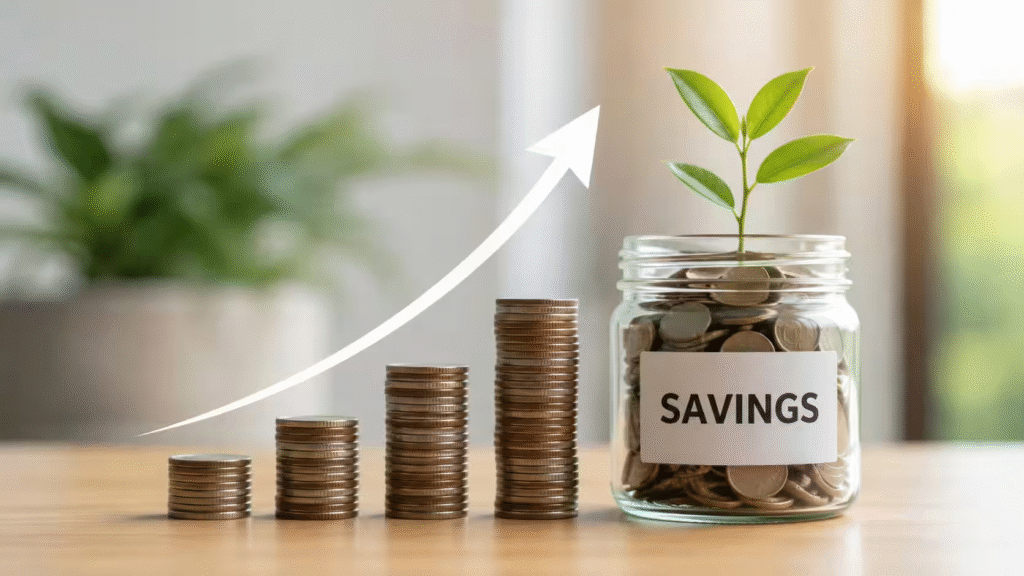
Even putting part of the additional income toward savings, debt repayment or an important financial goal can make a difference over time.
A Simple Money Management Routine I Would Follow
If managing money feels confusing, I would keep the routine very basic.
At the beginning of the month, I would first look at how much money is available. Then I would separate the important expenses from the amount I want to save.
After that, I would decide how much is reasonable for everyday spending.
During the month, I would keep an eye on the balance instead of spending without checking.
At the end of the month, I would look back at what actually happened.
Not everything will match the original plan. That is normal.
Maybe I spent more on travel. Maybe there was an unexpected bill. Maybe I saved less than I planned.
Instead of feeling bad about it, I would simply use that information for the next month.
That is probably the part of money management that gets overlooked. A budget is not an exam where you either pass or fail. It is something you adjust according to your real life.
Money Management Mistakes I Would Try to Avoid

There are a few habits that can make financial planning unnecessarily difficult.
Spending the entire income and hoping to save later is one of them.
Taking loans or using credit for things that are not really necessary can create another problem, especially when several payments start coming together.
I would also avoid making financial decisions because someone on social media says a particular lifestyle, product or investment is necessary.
Another mistake is being so afraid of money that you never spend anything on yourself. Saving is important, but money is also meant to support your life.
The goal is to find a balance where you can handle your responsibilities, enjoy some things and still prepare for the future.
Final Thoughts
I do not think good money management means becoming extremely strict with yourself.
For me, it makes more sense to know what I have, what I need to pay, what I want to save and what I can comfortably spend after that.
Some months will go exactly as planned. Other months will not. There may be an unexpected expense or a purchase that was not in the budget. That is simply part of life.
What matters is not having a perfect financial month every time. It is noticing your habits and making small improvements when something is not working.
If you are just starting, I would not try to change everything at once. Start by watching your spending. Then make a budget. Put a little money aside before you start spending. After that, work on bigger goals such as an emergency fund or future expenses.
Money management becomes much less confusing when you stop trying to make a perfect plan and start paying attention to your actual life.
Frequently Asked Questions

How to Get a Personal Loan in India
few years ago, I found myself in a position where I needed a significant amount…

Profitable Business Ideas for Students to Earn Money in 2026
I still remember sitting on my twin-sized college bed during my second semester, opening my…

How to Invest in Fixed Deposits in 2026
When I first started earning and saving money, the investment world felt completely overwhelming to…
The Best Stock Market Investment Tips for Beginners in 2026
When I first stepped into the stock market back in 2021, I was convinced I’d…
The Best Apps for Exam Preparation in India
When I first started preparing for competitive exams in India, my study table was a…

How to Start an E-commerce Business in India in 2026
When I took the plunge into online selling in India back in early 2024, my…