

In today’s fast-moving business world, productivity and time management have become essential skills for success. Whether you are an entrepreneur, manager, freelancer, or employee, the ability to manage time effectively can directly impact your performance, growth, and overall business results.
Many people work long hours but still struggle to complete important tasks. The problem is not always a lack of effort. In many cases, poor planning, distractions, and ineffective work habits reduce productivity. Understanding how to organize time and focus on priorities can help businesses operate more efficiently and reduce unnecessary stress.
This guide explores practical strategies, habits, and techniques that can improve business productivity and help you manage time more effectively.
Understanding Business Productivity
Business productivity refers to how efficiently tasks, resources, and time are used to achieve goals. A productive business completes important work with less wasted effort, energy, and time.
Productivity is not about staying busy all day. It is about focusing on meaningful tasks that create value and support growth. Businesses that improve productivity often experience better performance, stronger teamwork, higher profits, and improved customer satisfaction.
Productivity also affects personal well-being. When work is managed efficiently, stress levels decrease, and maintaining a healthy work-life balance becomes easier.
Why Time Management Matters in Business
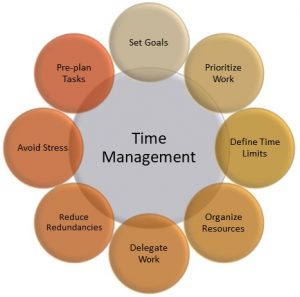
Time is one of the most valuable resources in business because it cannot be replaced once lost. Effective time management allows individuals and teams to focus on priorities, meet deadlines, and complete tasks more efficiently.
Poor time management often leads to missed opportunities, delayed projects, low-quality work, and employee burnout. Businesses that fail to manage time properly may struggle with productivity, customer satisfaction, and long-term growth.
Good time management helps create structure, improve decision-making, and reduce unnecessary pressure in the workplace.
Set Clear Business Goals
One of the first steps toward better productivity is setting clear and realistic goals. Without clear objectives, it becomes difficult to stay focused or measure progress.
Business goals should be specific, measurable, achievable, relevant, and time-based. This approach helps create direction and improves accountability.
For example, instead of setting a vague goal like “increase sales,” a better goal would be “increase monthly sales by 15 percent within six months.”
Breaking large goals into smaller tasks also makes projects easier to manage and reduces feelings of overwhelm.
Prioritize Important Tasks

Not every task has the same level of importance. One of the biggest productivity mistakes is spending too much time on low-value activities while ignoring high-priority work.
Using prioritization methods can help businesses focus on what truly matters. A simple technique is dividing tasks into categories such as urgent, important, and non-essential.
High-impact activities such as client communication, business planning, marketing, and revenue-generating tasks should receive more attention than minor administrative work.
Focusing on priorities improves efficiency and helps businesses achieve better results in less time.
Plan Your Day in Advance
Planning daily tasks in advance is a powerful time management habit. Starting the day without a clear plan often leads to confusion and wasted time.
Creating a daily schedule or to-do list helps organize responsibilities and maintain focus throughout the day. Many successful professionals plan their next day before finishing work each evening.
Time blocking is another effective strategy. This method involves assigning specific time periods for particular tasks such as meetings, emails, creative work, or planning sessions.
A structured schedule helps reduce distractions and increases productivity.

Avoid Multitasking
Many people believe multitasking improves efficiency, but in reality, it often reduces productivity and increases mistakes.
Switching between tasks constantly can reduce concentration and slow down progress. Focusing on one task at a time usually produces better results and improves work quality.
Single-tasking allows deeper focus, faster completion, and better decision-making. It also helps reduce mental fatigue throughout the workday.
Businesses that encourage focused work environments often experience higher productivity and employee satisfaction.
Eliminate Workplace Distractions
Distractions are one of the biggest obstacles to productivity. Social media notifications, unnecessary meetings, phone interruptions, and disorganized workspaces can waste valuable time.
Creating a distraction-free environment improves concentration and workflow. Turning off non-essential notifications, organizing work areas, and setting boundaries during focused work periods can make a significant difference.
Businesses should also evaluate whether meetings are truly necessary. Many meetings consume time without producing meaningful outcomes.
Reducing distractions helps teams stay focused and complete tasks more efficiently.
Use Productivity Tools and Technology

Technology can improve business productivity when used correctly. Many digital tools help businesses organize projects, manage communication, track progress, and automate repetitive tasks.
Project management platforms, calendar apps, note-taking software, and team collaboration tools can simplify daily operations and improve workflow.
Automation is especially useful for repetitive activities such as invoicing, scheduling, email marketing, and customer support. Automating routine tasks saves time and allows employees to focus on more important responsibilities.
However, businesses should avoid relying on too many tools at once, as this can create confusion instead of efficiency.
Learn to Delegate Tasks
Many business owners and managers struggle with delegation because they feel responsible for every detail. However, trying to handle everything alone often leads to stress and reduced productivity.
Delegation allows teams to work more effectively by distributing responsibilities according to individual strengths and skills.
Trusting employees with important tasks not only improves efficiency but also supports professional growth within the team.
Successful leaders focus on high-priority responsibilities while allowing others to manage supporting tasks.
Improve Communication in the Workplace
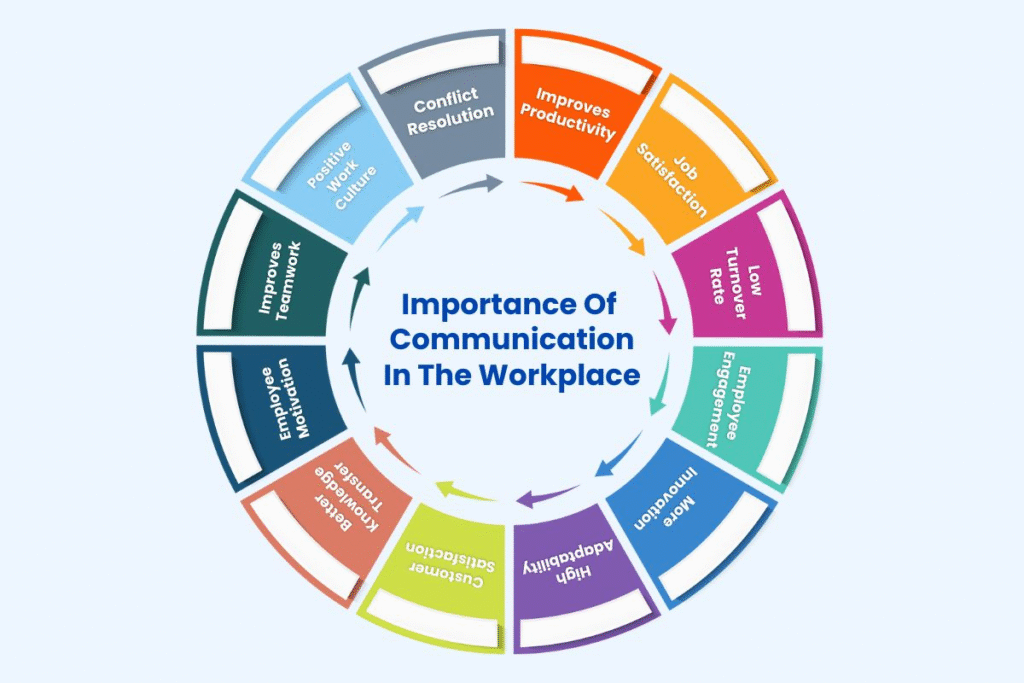
Clear communication is essential for productivity. Misunderstandings, unclear instructions, and poor communication often cause delays and errors.
Businesses should encourage transparent communication between team members, departments, and leadership. Providing clear expectations, deadlines, and feedback helps employees perform tasks more effectively.
Simple communication practices such as concise emails, organized meetings, and regular progress updates can improve teamwork and reduce confusion.
Strong communication creates smoother workflows and increases overall productivity.
Take Regular Breaks
Working continuously without breaks can reduce concentration and lead to burnout. Short breaks throughout the day help refresh the mind and improve focus.
Many productivity experts recommend techniques such as the Pomodoro Method, where individuals work for a set period and then take a short break.
Breaks improve energy levels, creativity, and mental clarity. Encouraging employees to rest when needed can actually improve long-term performance.
Balanced work habits support both productivity and well-being.
Maintain a Healthy Work-Life Balance
Productivity should not come at the expense of personal health and relationships. Overworking can lead to exhaustion, stress, and lower performance over time.
Maintaining a healthy work-life balance helps individuals stay motivated, focused, and mentally healthy. Setting clear work hours, taking vacations, and spending time with family and hobbies are important for long-term success.
Businesses that support employee well-being often experience better morale, lower turnover rates, and stronger productivity.
A balanced lifestyle creates sustainable performance.
Track Progress and Measure Results

Improving productivity requires regular evaluation. Businesses should monitor progress, analyze results, and identify areas for improvement.
Tracking key performance indicators such as completed tasks, project timelines, sales growth, and customer satisfaction helps measure effectiveness.
Reviewing performance regularly allows businesses to adjust strategies and improve efficiency over time.
Continuous improvement is an important part of long-term productivity success.
Build Consistent Habits
Productivity is not achieved through occasional effort. It develops through consistent daily habits and disciplined routines.
Simple habits such as waking up early, planning tasks, staying organized, and avoiding procrastination can create major improvements over time.
Consistency builds momentum and helps businesses maintain steady progress even during challenging periods.
Successful professionals often rely on strong routines to manage their time effectively and stay productive.
Conclusion
Business productivity and time management are essential for achieving growth, efficiency, and long-term success. In a competitive business environment, managing time wisely can improve performance, reduce stress, and create better opportunities for both individuals and organizations.
Effective productivity strategies include setting goals, prioritizing tasks, reducing distractions, using technology wisely, and maintaining healthy work habits. Businesses that focus on time management often operate more smoothly and achieve better results with fewer resources.
Improving productivity is not about working harder all the time. It is about working smarter, staying organized, and focusing on activities that create real value.
By developing strong productivity habits and time management skills, businesses and professionals can increase efficiency, improve work quality, and create a more balanced and successful professional life.
FAQ’s
How to Get a Personal Loan in India
few years ago, I found myself in a position where I needed a significant amount…

Profitable Business Ideas for Students to Earn Money in 2026
I still remember sitting on my twin-sized college bed during my second semester, opening my…

How to Invest in Fixed Deposits in 2026
When I first started earning and saving money, the investment world felt completely overwhelming to…

The Best Stock Market Investment Tips for Beginners in 2026
When I first stepped into the stock market back in 2021, I was convinced I’d…

The Best Apps for Exam Preparation in India
When I first started preparing for competitive exams in India, my study table was a…

How to Start an E-commerce Business in India in 2026
When I took the plunge into online selling in India back in early 2024, my…